
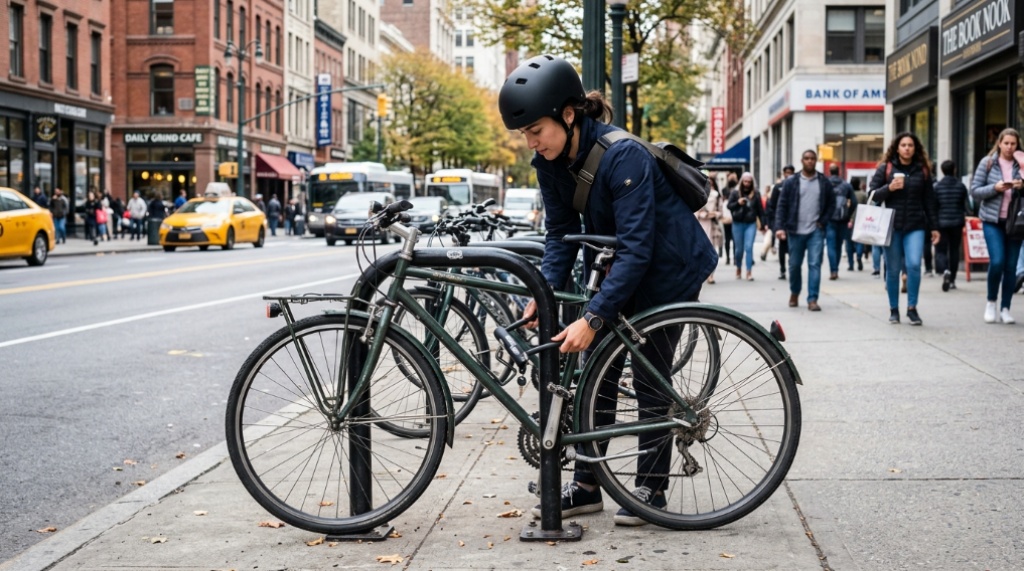
A locked bike can still disappear in under two minutes if the lock is weak or the technique is careless. Urban cyclists deal with angle grinders, bolt cutters, and thieves who know exactly which racks attract unattended bikes. Choosing the right lock is the foundation, and resources like OutdoorXSports can help riders compare practical options before the next ride. But hardware alone is not enough. Where you park, how you secure the frame, and what you leave attached all shape whether a bike survives the day. The tips below focus on real-world tactics that reduce risk without making every stop feel like a security operation.
Quick Answer
The most effective bike theft prevention combines a strong lock, correct locking technique, and smart parking choices. Use a high-quality U-lock or chain, secure the frame and at least one wheel to a fixed object, park in visible well-lit areas, and remove quick-release accessories. No method is theft-proof, but layering these habits dramatically reduces the chance of losing a bike in an urban environment.
Key Takeaways
- A U-lock or heavy chain offers far more resistance to cutting tools than a cable lock, which can be snipped in seconds.
- Lock the frame and at least one wheel to a fixed, immovable object rather than looping through a wheel alone.
- Parking location matters as much as lock quality; visible, well-lit, high-traffic areas deter thieves.
- Removing quick-release wheels, seats, and accessories removes the temptation for opportunistic theft.
- Registering a bike and keeping proof of ownership improves recovery chances if theft does occur.
Why Bike Theft Happens So Easily in Cities
Urban bike theft is rarely random. Most thieves target predictable weaknesses: a cable lock that snaps with hand tools, a bike locked to a signpost that can be lifted over, or a wheel secured while the frame sits free. Understanding these patterns helps riders spot vulnerable setups before leaving a bike unattended.
Density works against cyclists. A rack with twenty bikes gives a thief cover to work without drawing attention. Busy sidewalks mean passersby assume someone else is watching. Short stops feel safe, so riders use lighter locks or skip locking altogether. Each of these assumptions is exactly what a thief counts on.
Common Theft Methods
Most urban thefts fall into a few categories:
- Cable cutting: Handheld cable cutters slice through thin locks in seconds.
- Bolt cutting: Larger bolt cutters defeat cheap U-locks and chains with thin links.
- Angle grinding: Battery-powered grinders cut through almost any lock given enough time and noise tolerance.
- Leverage attacks: Car jacks or pry bars spread and break weaker lock shackles.
- Frame stripping: Thieves remove unsecured wheels, seats, and components instead of the whole bike.
This is why lock choice should match the risk level of where the bike is parked, not just the price of the bike.
Choosing a Lock That Actually Resists Theft
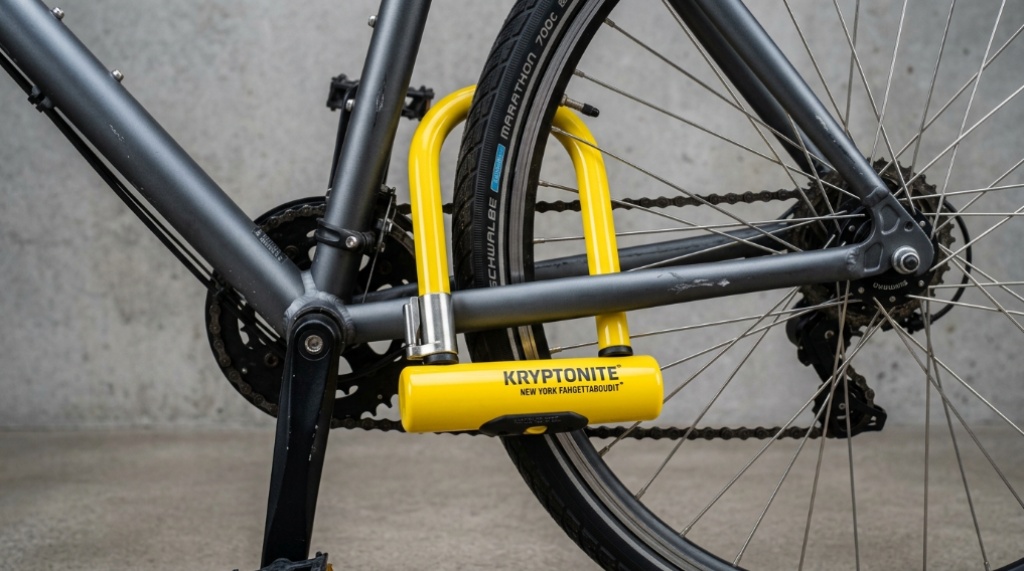
The lock is the first line of defense, and not all locks are equal. A U-lock made from hardened steel with a thick shackle resists bolt cutters and requires power tools to defeat. A heavy chain with a quality padlock offers similar protection and more flexibility for awkward parking spots. Cable locks, by contrast, are lightweight and convenient but provide minimal security against determined thieves.
Lock Types Compared
| Lock Type | Cut Resistance | Weight | Best Use |
|---|---|---|---|
| U-lock (hardened steel) | High | Moderate | Daily urban parking, short to medium stops |
| Heavy chain + padlock | High | High | Longer stops, awkward racks, high-theft areas |
| Folding lock | Moderate | Moderate | Convenience with better security than cable |
| Cable lock | Low | Light | Quick stops only, secondary locking |
A practical approach for many riders is a primary U-lock or chain paired with a secondary cable to secure a wheel. This combination covers the frame and discourages component theft without requiring a second heavy lock.
Locking Technique: Where Most Riders Get It Wrong
A strong lock used incorrectly still leaves a bike vulnerable. The goal is to secure the frame and at least one wheel to a fixed object that cannot be easily cut, lifted, or removed.
Step-by-Step Locking Method
- Choose a fixed object that is anchored to the ground, such as a proper bike rack or a thick metal post set in concrete.
- Position the lock so the shackle passes through the frame and a wheel, not just the wheel.
- Keep the lock body close to the frame to reduce leverage space for pry tools.
- Fill the shackle as much as possible; a loose fit gives thieves room to insert tools.
- Lock in a visible location rather than behind a building or in a dark corner.
- Remove quick-release wheels, seats, and accessories that are not secured.
Locking through the rear wheel and frame inside the rear triangle is a common technique that protects the more expensive rear wheel and the frame simultaneously, To keep yourself fully safe on every ride, always remember that wearing proper gear is just as vital as securing your bike, because bicycle helmets protect the head in an accident.
Smart Parking Choices Matter More Than You Think
Even the best lock buys only time. A thief with an angle grinder needs a few minutes, so parking where that time is risky for them is a major deterrent. Visible, well-lit, high-traffic locations with security cameras or nearby staff are far safer than isolated racks.
Avoid locking to objects that can be cut, unscrewed, or lifted over: thin signposts, small trees, wooden fences, and temporary barriers are common mistakes. If a rack is full, resist the urge to lock to a weak alternative just because it is convenient.
High-Risk Parking Situations
- Overnight street parking in areas with low foot traffic.
- Transit stations where bikes sit unattended for hours.
- College campuses with open access and consistent bicycle traffic.
- Parking garages and alleys hidden from public view.
When possible, bring the bike indoors at home and at work. A locked hallway or secure bike room removes the opportunity entirely.
Protecting Components and Accessories
Many thefts target parts rather than the whole bike. Quick-release wheels, saddles, and lights can vanish in seconds. Using locking skewers or replacing quick-release levers with bolt-on versions makes component removal slower and less appealing.
Take removable items with you: lights, bags, computers, and pumps. A bike that looks stripped down is less attractive to a thief than one with easy-to-grab accessories attached.
What to Do If Your Bike Is Stolen
Report the theft to police immediately and provide the serial number, photos, and proof of purchase. Registering the bike with a national or local registry before theft occurs significantly improves the chance of recovery, because recovered bikes can be matched to owners.
Check online marketplaces, local classifieds, and social media groups in the days after the theft. Many stolen bikes are resold quickly, and some are recovered when owners spot them listed.
Frequently Asked Questions
Is a U-lock better than a chain lock?
Both offer strong protection when made from hardened steel. U-locks are easier to carry and position, while chains offer more flexibility for awkward fixed objects. The best choice depends on where you park and how much weight you are willing to carry.
Can a bike be stolen with a U-lock?
Yes. Determined thieves using angle grinders can cut through most locks given enough time and privacy. The goal of any lock is to make theft slow, noisy, and risky enough that the thief moves on to an easier target.
What is the safest place to lock a bike?
Well-lit, visible areas with foot traffic and security cameras are safest. Properly installed bike racks anchored to the ground are ideal. Avoid isolated spots, dark corners, and objects that can be cut or lifted.
Should I lock my bike through the frame or the wheel?
Lock through the frame and at least one wheel. Locking only the wheel allows thieves to take the rest of the bike. Passing the lock through the rear wheel and frame inside the rear triangle is a widely used and effective technique.
Are cable locks ever good enough?
For short stops in low-risk areas, a cable lock may be acceptable as a secondary lock or for a low-value bike. As a primary lock in an urban environment, cables are easily cut and should not be relied on alone.
Does registering my bike really help?
Registration links your bike’s serial number to your contact information, which helps police return recovered bikes. It does not prevent theft, but it improves the odds of getting a stolen bike back.
Conclusion
Bike theft prevention comes down to making your bike a harder target than the one next to it. Use a strong U-lock or chain, lock the frame and a wheel to a solid fixed object, and park where thieves cannot work unnoticed. Remove tempting accessories and register your bike so recovery is possible. None of these steps guarantees safety, but layered together they sharply reduce the risk every urban cyclist faces. Start with the lock, then build the habits around it.