
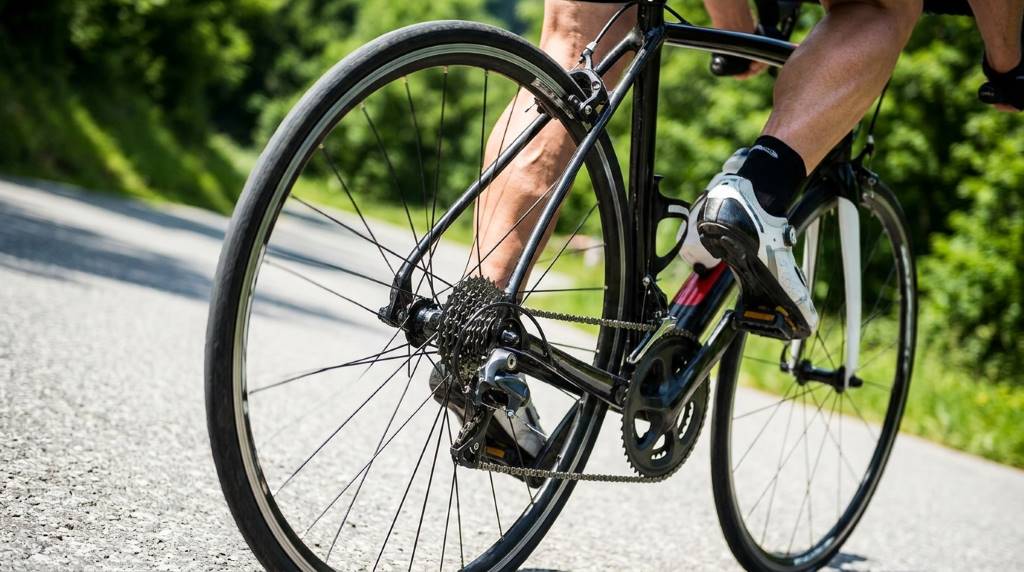
Climbing steep roads should feel smooth, yet many riders notice frustrating chain skips during demanding rides. According to industry reports, regular drivetrain care can improve shifting performance by over 30% while reducing premature wear. Likewise, thousands of cyclists replace chains annually because neglected drivetrains lose efficiency faster. Learning classic road bike maintenance helps riders prevent many common drivetrain problems before they become expensive repairs.
Understanding Why Chain Skips Happen on Austin Hills
Steep climbs place maximum pressure on every drivetrain component during each pedal stroke. Consequently, even minor wear quickly becomes noticeable while riding uphill. Riders comparing road bikes vs mountain bikes often discover different gearing systems react differently under climbing loads.
Chain skipping occurs when the chain fails to stay engaged with cassette teeth properly. Instead, it suddenly jumps across cogs while force transfers through the pedals. This unexpected movement interrupts momentum and reduces rider confidence.
Austin features rolling terrain with repeated short climbs throughout popular cycling routes. Therefore, local riders experience frequent gear changes that increase drivetrain stress. Consistent maintenance keeps components working together despite challenging elevation changes.

Most Common Causes of Bicycle Chain Skipping
Worn Bicycle Chain
A stretched chain creates the most common reason behind skipping during uphill efforts. Over time, internal rollers wear naturally through repeated riding. Eventually, the chain no longer matches cassette tooth spacing correctly.
Using a chain wear indicator provides accurate measurements before serious damage develops. Replacing chains early protects expensive drivetrain parts from unnecessary wear. Preventive replacement usually costs far less than complete drivetrain upgrades.
Damaged Cassette Teeth
Old cassette teeth become pointed instead of maintaining their original profile. Consequently, the chain struggles to grip securely during powerful climbing efforts. Riders usually notice skipping on favorite climbing gears first.
Inspect each cog carefully under bright lighting before replacing other components. Uneven tooth shapes often reveal the exact source of drivetrain problems. Matching new chains with worn cassettes rarely solves persistent skipping.
Worn Chainrings
Front chainrings also wear gradually after many miles of riding. Their teeth eventually lose proper engagement with the bicycle chain. Heavy climbing accelerates this wear because higher forces pass through each tooth.
Sharp or hooked chainring teeth indicate replacement may become necessary soon. Careful inspection prevents unexpected failures during challenging rides. Quality replacements restore smooth power delivery immediately.
Poor Rear Derailleur Adjustment
Incorrect derailleur indexing causes gears to align poorly with cassette cogs. As a result, the chain cannot settle completely into selected gears. Small adjustment errors become obvious during steep climbs.
Fine tuning cable tension often restores accurate shifting performance quickly. However, bent derailleur hangers require proper alignment before additional adjustments. Professional inspection helps identify hidden alignment problems.
How Austin Riding Conditions Affect Your Drivetrain
Austin roads expose bicycles to dust, changing temperatures, and occasional heavy rainfall. These conditions gradually contaminate moving drivetrain components with abrasive particles. Riders facing bike creaking after rain causes solutions frequently discover moisture also accelerates drivetrain wear.
Dry limestone dust mixes easily with chain lubricant during summer rides. Consequently, dirty lubricant forms grinding paste inside chain links. Regular cleaning removes contaminants before serious wear develops.
Unexpected storms create additional maintenance challenges throughout the riding season. Water washes away protective lubrication from moving components quickly. Fresh lubrication after wet rides restores smooth drivetrain performance.
How to Diagnose Chain Skipping Before Replacing Parts
Accurate diagnosis prevents unnecessary spending on replacement components that still perform well. Following a simple inspection routine identifies most drivetrain issues quickly. Careful observation saves both time and money.
- Measure chain wear using a chain checker tool.
- Inspect cassette teeth for uneven or hooked shapes.
- Examine chainrings under bright lighting carefully.
- Shift through every gear using a repair stand.
- Check derailleur hanger alignment visually.
- Inspect cable tension and housing condition.
Testing each component separately narrows the problem efficiently. Moreover, combining several inspections improves diagnostic accuracy significantly. Organized troubleshooting prevents unnecessary part replacements.
Simple Maintenance Habits That Prevent Chain Skipping
Routine maintenance dramatically reduces drivetrain failures during demanding climbs. Small efforts performed consistently produce long lasting performance improvements. Every rider benefits from scheduled inspections throughout the year.
- Clean the chain after dusty rides.
- Lubricate with suitable bicycle chain lubricant.
- Replace worn chains before cassette damage occurs.
- Inspect drivetrain monthly for visible wear.
- Avoid cross chaining whenever possible.
- Store bicycles in dry environments.
These simple habits extend drivetrain life considerably while improving ride quality. Consistent care also reduces unexpected repair costs during busy riding seasons. Preventive maintenance always beats emergency replacements.
Choosing the Right Gearing for Steep Climbs
Proper gearing reduces excessive drivetrain stress during challenging hill climbs. Riders often shift too late while approaching steep sections. Earlier shifting keeps chain tension more manageable.
Lower climbing gears help maintain comfortable pedaling cadence throughout difficult ascents. Consequently, drivetrain components experience smoother force distribution with every rotation. Efficient cadence also reduces rider fatigue noticeably.
Learning local climbing routes builds confidence during repeated training sessions. Likewise, understanding terrain encourages smarter gear selection before gradients increase. Better technique protects bicycle components naturally.
When Professional Bicycle Service Makes Sense
Some drivetrain issues require specialized tools and experienced mechanical knowledge. Persistent skipping despite maintenance usually indicates deeper alignment problems. Professional mechanics inspect every component systematically.
Workshops measure chain stretch accurately using calibrated tools unavailable to many riders. They also verify derailleur hanger alignment with precision equipment. Accurate repairs restore dependable shifting under heavy climbing loads.
Many experienced cyclists also study how nature focused urban bike paths influence riding styles and maintenance priorities across different environments. Understanding varied riding conditions helps cyclists prepare bicycles for changing terrain.
Conclusion
Bicycle chain skipping on Austin hills usually results from wear, poor adjustment, contamination, or incorrect maintenance habits. Fortunately, early inspections and routine care prevent most drivetrain failures before they become expensive. Regular attention keeps every climb smoother, safer, and more enjoyable.
Inspect your drivetrain today, replace worn parts promptly, and follow a consistent maintenance schedule. Your bicycle will reward you with reliable shifting and confident climbing every ride.
Frequently Asked Questions
Why does my bicycle chain skip only when climbing hills?
Higher climbing forces expose worn or poorly adjusted drivetrain components more easily.
How often should I replace my bicycle chain?
Most riders should inspect chain wear regularly and replace it before excessive stretching occurs.
Can a dirty chain cause skipping?
Yes, accumulated dirt increases wear and prevents smooth engagement with cassette teeth.
Should I replace the cassette with every new chain?
No, replace the cassette only when inspection confirms noticeable wear or continued skipping.
Can derailleur adjustment stop chain skipping?
Yes, proper derailleur adjustment often restores smooth shifting when components remain in good condition.


