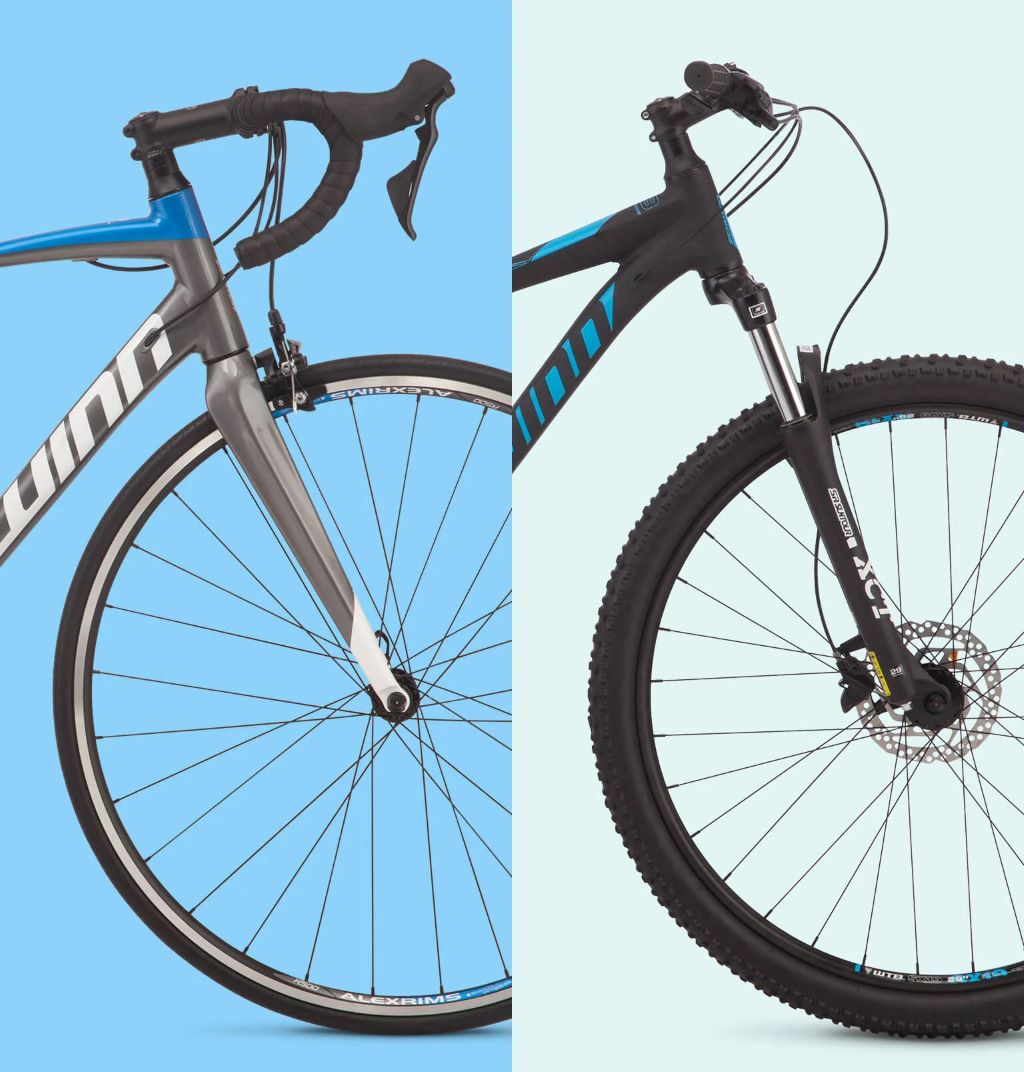
The world of cycling offers a diverse range of options, but two contenders consistently dominate the conversation: road bikes vs. mountain bikes. Both offer unique experiences and cater to different terrains, but one question often arises in the minds of prospective buyers: which is more expensive?
While a simple answer might be tempting, the reality is nuanced. Both road bikes and mountain bikes can reach staggering price points, with top-of-the-line models costing as much as a small car. However, some key factors generally influence the price difference between these two types of bicycles.
-
Materials and Construction:
- Road Bikes: Often prioritize lightweight materials like carbon fiber to enhance speed and efficiency. Carbon fiber frames are significantly more expensive to produce than their aluminum counterparts, which are more common in entry-level road bikes. High-end road bikes also utilize advanced construction techniques and aerodynamic designs, further contributing to their cost.
- Mountain Bikes: Durability is key in mountain biking, so materials like aluminum and steel are frequently used. While carbon fiber is gaining popularity in high-end mountain bikes for its weight-saving properties, it’s generally less prevalent than in road bikes. Mountain bike frames, such as the Kulana Bike 24, are designed to withstand impacts and rough terrain, which can also influence manufacturing costs.
-
Components:
- Road Bikes: High-end road bikes often feature top-of-the-line components, such as electronic shifting systems, lightweight wheels, and high-performance brakes. These components offer precision, efficiency, and a competitive edge, but they come at a premium price.
- Mountain Bikes: Mountain bike components are built for ruggedness and performance on challenging trails. Suspension systems, powerful hydraulic disc brakes, and wide-range drivetrains are essential for off-road riding. While these components may not always be as lightweight or “flashy” as their road bike counterparts, they are designed to withstand significant stress and abuse.
-
Specialization:
- Road Bikes: Road cycling often involves specialization in specific disciplines like racing, endurance riding, or gravel grinding. This leads to niche bikes with specialized components and geometries, which can drive up costs. For example, aerodynamic road bikes designed for time trials or triathlons often feature integrated components and aero-optimized frames, making them more expensive than traditional road bikes.
- Mountain Bikes: Mountain biking also has various sub-disciplines, such as cross-country, trail riding, downhill, and enduro. Each discipline demands specific features and components, resulting in specialized bikes with varying price points. Downhill mountain bikes, for instance, require robust suspension systems and durable components to handle extreme terrain, contributing to their higher cost.
-
Market Demand and Production Volume:

- Road Bikes: Road cycling enjoys a large and dedicated following, particularly in Europe and North America. The high demand for road bikes, especially high-performance models, can influence pricing. However, the relatively high production volume of road bikes compared to some specialized mountain bikes can help keep costs down.
- Mountain Bikes: While mountain biking is a popular sport, the market for high-end mountain bikes is arguably smaller than that of road bikes. This can lead to higher prices for specialized mountain bikes, especially those designed for niche disciplines like downhill racing.
-
Brand Reputation and R&D:
- Both Road Bikes and Mountain Bikes: Established brands with a strong reputation for quality and performance often command higher prices. These brands invest heavily in research and development, pushing the boundaries of bicycle technology and design. These R&D costs are often reflected in the final price of the bikes.
So, which is more expensive?
As you can see, there’s no single answer. While entry-level road bikes might generally be pricier than entry-level mountain bikes due to the emphasis on lightweight materials and components, both types of bicycles can reach astronomical price tags at the high end. Ultimately, the cost depends on the specific bike, its components, its intended use, and the brand’s reputation, including those found at Outdoorxsports.
Here’s a quick comparison to illustrate:
| Feature | Road Bike | Mountain Bike |
| Entry-level price | Generally higher | Generally lower |
| High-end price | Can exceed $10,000 | Can exceed $10,000 |
| Materials | Carbon fiber, aluminum | Aluminum, steel, carbon fiber |
| Components | Lightweight, aerodynamic, high-performance | Durable, rugged, suspension-focused |
| Specialization | Racing, endurance, gravel | Cross-country, trail, downhill, enduro |
Get the Most Out of Your Bike Rides: Essential Bike Repair Skills
Tips for Choosing the Right Bike:
- Consider your riding style and terrain: Will you be primarily riding on paved roads or off-road trails?
- Set a budget: Determine how much you’re willing to spend on a bike.
- Research different brands and models: Read reviews and compare specs to find the best value for your needs.
- Test ride different bikes: This will help you get a feel for the bike’s handling and comfort.
- Don’t overspend on features you don’t need: Focus on the essential components for your riding style.
You Might Enjoy: What is the Best Electric Bicycle: Unveiling Top Models and Reviews!
Whether you choose a road bike or a mountain bike, remember that the most important factor is finding a bike that you enjoy riding. With proper care and maintenance, your bike can provide years of enjoyment and adventure, regardless of its price tag.