Skateboarding takes a toll on your shoes, especially the toes, which are constantly subjected to abrasions and impact. Whether you’re kickflipping or perfecting an ollie, the wear and tear on your skate shoes can be relentless. For skaters looking to prolong the life of their beloved shoes, two popular repair options are Shoe Goo and epoxy. But which is better? Each has its own advantages, and the right choice often depends on your specific needs and skating style.
In this article, we’ll explore the differences, advantages, and potential drawbacks of Shoe Goo vs Epoxy for skate shoe toe repair, helping you make the best choice to keep your shoes in peak condition. And while we’re on the subject of skate footwear, don’t forget to explore Skateboardtrends for more tips and trends in the skateboarding world.
What Is Shoe Goo and Why Do Skaters Love It?
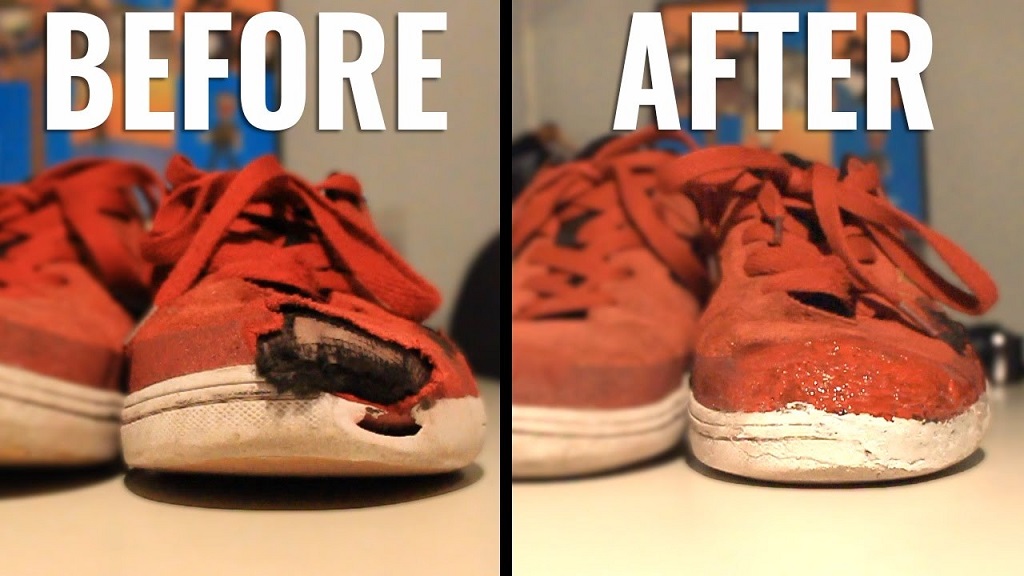
Shoe Goo is a specialized adhesive and sealant designed specifically for repairing and protecting footwear. It’s a staple in many skaters’ toolkits because it’s flexible, durable, and easy to use.
When applied to the worn-out areas of skate shoes, Shoe Goo forms a rubbery layer that mimics the texture and flexibility of the shoe’s original sole. This makes it ideal for repairing toe caps, which face constant friction against grip tape.
Skaters love Shoe Goo because it provides:
- Flexibility: The material moves with your shoe, reducing the chance of cracking.
- Affordability: A single tube can last through multiple repairs, making it a cost-effective solution.
- Ease of Application: It doesn’t require complex tools or preparation, which is perfect for on-the-go fixes.
According to online reviews and feedback, Shoe Goo is favored by casual skaters and professionals alike because of its adaptability. However, some critics point out that it might not be the best for long-term fixes, especially for more aggressive skaters.
What About Epoxy?
Epoxy, on the other hand, is a two-part adhesive that forms an incredibly strong bond when mixed. It’s commonly used in construction and repair work for its durability and resistance to wear and tear. But how does it fare when it comes to skate shoe repair?
For skaters, epoxy provides:
- Rock-Solid Strength: It creates a hard, impenetrable layer that can withstand heavy impacts.
- Waterproofing: Unlike some adhesives, epoxy is entirely waterproof, making it a great option for wet conditions.
- Durability: Repairs made with epoxy are long-lasting, reducing the need for frequent touch-ups.
However, epoxy isn’t as flexible as Shoe Goo. While it offers unmatched strength, it may crack over time if applied to areas of the shoe that bend or flex a lot, like the toe cap.
Comfort Meets Durability: The Role of Comfy Skate Shoes
No matter how durable your repair is, it’s only effective if your shoes remain comfortable. That’s why choosing comfy skate shoes is just as important as the repair material. A snug, well-padded shoe not only enhances performance but also minimizes wear and tear on the shoe’s structure.
When your shoes fit properly and provide adequate cushioning, there’s less stress on the toe area, reducing the need for frequent repairs. So, whether you’re using Shoe Goo or epoxy, investing in high-quality, comfortable skate shoes can make all the difference.
Comparing Shoe Goo vs Epoxy for Toe Repair
Ease of Application
- Shoe Goo: Requires minimal prep. Apply, spread it evenly, and let it cure for 24 hours. Perfect for beginners.
- Epoxy: Involves mixing two components before application. Requires precision and a bit of experience to get it right.
Flexibility
- Shoe Goo: Highly flexible, ideal for areas that bend and flex.
- Epoxy: Rigid once cured, which can lead to cracking in high-flex zones.
Durability
- Shoe Goo: Provides moderate durability but may wear down with constant use.
- Epoxy: Extremely durable and resistant to abrasion, lasting longer than Shoe Goo in harsh conditions.
Water Resistance
- Shoe Goo: Water-resistant but can degrade over time with constant exposure to moisture.
- Epoxy: Completely waterproof, making it a better choice for wet environments.
Cost
- Shoe Goo: More affordable, with a single tube costing around $6–$8.
- Epoxy: Slightly more expensive, ranging from $10–$15 for a small kit.
Which One Is Better for You?
The decision between Shoe Goo and epoxy ultimately comes down to your skating style and priorities.
If you’re a casual skater who values flexibility and quick fixes, Shoe Goo is your best bet. Its rubber-like texture is perfect for maintaining the natural feel of your shoe, and it’s easy to reapply when needed.
On the other hand, if you’re an aggressive skater who frequently puts your shoes through intense wear and tear, epoxy might be the better option. Its superior strength and durability make it a reliable choice for long-term repairs.
Read More Also: A and R BBQ Hickory Hill: A Memphis Barbecue Institution
Step-by-Step Guide to Repairing Your Skate Shoe Toes
Materials Needed:
- A tube of Shoe Goo or an epoxy kit.
- Sandpaper (for prepping the surface).
- Masking tape.
- A disposable spatula or toothpick for spreading the adhesive.
Read More Also: Upgrade Your Breakfast: 10 Brilliant Hacks You Didn’t Know
Instructions:
Using Shoe Goo:
- Clean the damaged area thoroughly.
- Use sandpaper to roughen the surface slightly for better adhesion.
- Apply a generous layer of Shoe Goo to the affected area.
- Spread it evenly with a spatula.
- Let it cure for 24–48 hours before skating.
Using Epoxy:
- Mix the two components of the epoxy according to the instructions.
- Clean and sand the area to ensure proper bonding.
- Apply the mixture to the damaged toe cap.
- Use masking tape to secure the repair and maintain its shape while curing.
- Allow it to cure for at least 24 hours.
Tips for Prolonging the Life of Your Skate Shoes
- Rotate your shoes regularly to distribute wear evenly.
- Invest in shoes with reinforced toe caps.
- Use grip tape sparingly to reduce abrasion.
- Apply a fresh layer of Shoe Goo or epoxy as soon as you notice signs of wear.
FAQs
What is the main difference between Shoe Goo and epoxy?
Shoe Goo is flexible and designed specifically for footwear repair, while epoxy is a rigid, industrial-strength adhesive.
Can epoxy be used on all parts of a skate shoe?
Epoxy works best on rigid areas. It may crack if applied to highly flexible parts of the shoe.
How long does Shoe Goo take to cure?
Shoe Goo typically cures within 24–48 hours, depending on the thickness of the layer applied.
Is Shoe Goo waterproof?
Yes, Shoe Goo is water-resistant, but it may degrade with constant exposure to moisture.
Can I use Shoe Goo or epoxy for brand-new shoes?
Both are typically used for repairs, but you can apply a thin layer to high-wear areas as a preventive measure.
Where can I buy Shoe Goo and epoxy?
Both are available online, at hardware stores, and in skate shops.
Conclusion
Whether you choose Shoe Goo or epoxy for your skate shoe toe repair, both offer effective solutions to keep you skating longer. Consider your skating style, the level of damage, and the flexibility you need before making a decision. By investing a little time and effort in maintaining your shoes, you’ll save money and keep your gear in top condition.