

Maintaining the right humidity levels for tropical floor plants can seem challenging, especially when they’re placed on carpeted surfaces. Controlling humidity levels for tropical floor plants on carpet is crucial to prevent issues while ensuring the plants’ health. Tropical plants, known for their lush, vibrant foliage, thrive in high-humidity environments, which are often in stark contrast to the typically dry air in many homes. To make matters more complex, excessive moisture can damage carpets, encouraging mold and mildew growth. This article dives into actionable strategies for balancing humidity, keeping both your plants and carpets in pristine condition. For more tropical plant insights, explore Aliceswonderlandnursery for expert advice.
Why Controlling Humidity Levels Matters for Tropical Floor Plants
Tropical plants such as monstera, pothos, and calatheas naturally grow in rainforests where the air is consistently moist. In your home, dry air from HVAC systems or seasonal changes can cause their leaves to brown or curl. However, placing a humidifier too close to plants on carpet risks water pooling, which can lead to carpet damage or mold. Finding the right balance is critical to ensure plant health while protecting your flooring investment.
According to a study from the University of Florida, tropical plants generally require a humidity level of 60-80%. When indoor air drops below this threshold, plants often show signs of stress. But the same moisture that benefits plants can damage carpets, making it essential to adopt strategies that maintain optimal humidity without inviting potential carpet hazards.
Using Humidifiers Wisely Near Tropical Floor Plants
Humidifiers are a lifesaver for dry indoor environments, but their placement is key. Set humidifiers on waterproof trays or elevated surfaces to avoid water pooling onto carpets. Opt for models with adjustable settings, allowing you to fine-tune humidity levels to meet both your plants’ needs and your carpet’s safety requirements.
For plant arrangements near carpeted areas, consider investing in a hygrometer, a device that monitors air moisture. Keeping a consistent range of 50-70% will satisfy most tropical plants without overwhelming the carpeted surface beneath.
Leveraging Mulch and Pebble Trays for Humidity Control
A budget-friendly way to boost humidity involves using pebble trays beneath plant pots. Simply place a shallow tray filled with pebbles and water under your plants, ensuring the pots sit above the waterline. This setup naturally increases localized humidity without risking direct contact between water and carpet.
Mulch, often used outdoors, can also regulate soil moisture and create a microclimate for plants. Apply a thin layer of organic mulch on top of the soil in plant pots, reducing evaporation and indirectly improving humidity levels.
When paired with adaptive solutions like adaptive gardening tools for arthritis, caring for tropical plants becomes more accessible, even for those with limited mobility.
Avoiding Carpet Damage While Maintaining Humidity
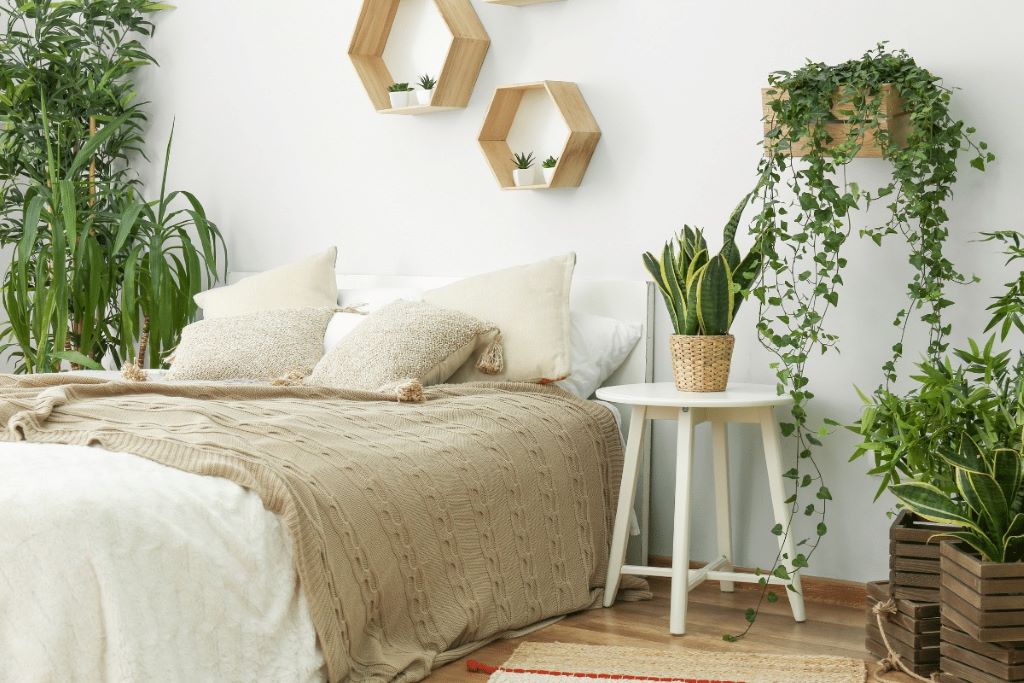
Protecting carpets while ensuring tropical plants thrive requires preventive measures. Always use waterproof barriers like plastic mats or trays beneath pots to catch excess water. Additionally, avoid overwatering plants; excess soil moisture not only harms plant roots but also increases the risk of carpet stains or mildew.
Ensure good air circulation around your plants by spacing them apart and occasionally opening windows to prevent stagnant air. Fans can also help distribute moisture evenly without oversaturating the air.
Best Practices for Long-Term Care of Tropical Floor Plants on Carpet
- Repot with Caution: Use pots with drainage holes and saucers to minimize water spillage.
- Regular Inspections: Check both plants and carpets weekly for signs of mold, pests, or moisture damage.
- Seasonal Adjustments: During colder months, humidity levels may drop, so consider adding a humidifier or grouping plants together for shared moisture.
- Cleaning Carpet Regularly: Vacuum and steam-clean carpets around plants to prevent potential buildup of allergens or mold.
Outsmarting Nature’s Garden Grazers: A Multi-Faceted Approach
FAQs
How can I prevent mold from forming on carpets near tropical plants?
Use waterproof mats beneath pots and maintain proper air circulation. Additionally, avoid overwatering plants to reduce excess moisture.
Do tropical plants need constant humidity?
Tropical plants prefer consistent humidity levels of 60-80%, but fluctuations within this range are generally tolerated.
Can pebble trays damage carpets?
When used correctly, pebble trays do not harm carpets. Ensure water levels stay below the pot base to prevent leakage.
What signs indicate humidity issues for tropical plants?
Common symptoms include brown leaf tips (low humidity) or moldy soil (high humidity).
What kind of humidifier is best for plants on carpet?
Opt for ultrasonic humidifiers with adjustable settings and place them on waterproof surfaces for best results.
You Might Enjoy: Decorating a garden: 5 ideal proposals to succeed
Conclusion
Balancing humidity levels for tropical floor plants on carpet is an achievable goal with the right strategies. By integrating proper tools, preventive measures, and regular maintenance, you can create a thriving indoor jungle without compromising your carpets. Whether it’s leveraging simple tricks like pebble trays or using advanced tools like hygrometers, every effort you make contributes to healthier plants and a cleaner home environment.


