
Rabbits and deer, while adorable to behold, can quickly turn into a gardener’s worst nightmare. Their seemingly insatiable appetite for fresh greens can devastate carefully cultivated plants overnight. However, with a combination of strategies and a touch of ingenuity, you can protect your garden grazers and peacefully coexist with these herbivorous visitors.
Understanding the Adversaries
- Rabbits: Primarily target young, tender plants and seedlings. They’re active year-round but are especially destructive during the spring when food sources are scarce.
- Deer: Drawn to a wider variety of plants, including flowers, shrubs, and even tree bark. They can jump high fences and are most active during dawn and dusk.

Barrier Methods: The First Line of Defense
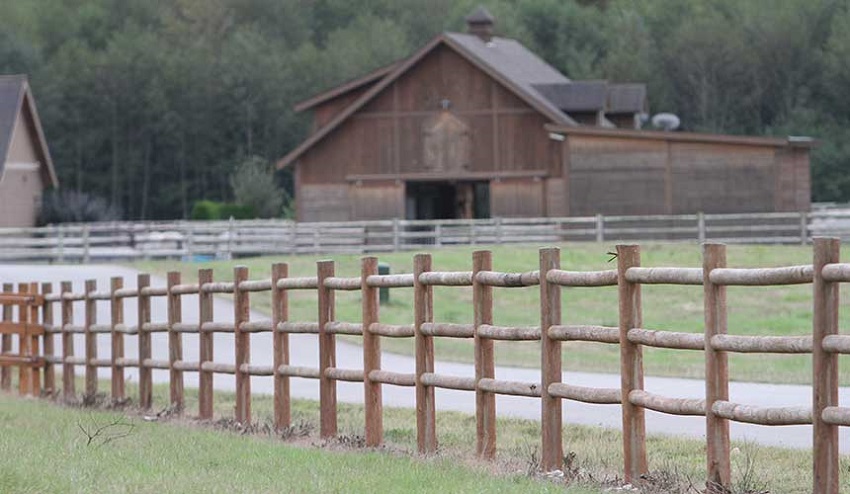
- Fencing: The most reliable deterrent for both rabbits and deer. Opt for a sturdy, woven wire fence at least 2-3 feet high for rabbits and 8-10 feet high for deer. Bury the bottom of the fence at least 6 inches underground to prevent rabbits from burrowing.
- Netting: Ideal for protecting individual plants or small garden areas. Chicken wire or plastic netting can be draped over plants, supported by stakes, to prevent rabbits from reaching them.
- Repellents: These come in two main categories:
- Taste Repellents: Apply to plants to make them unpalatable. Common ingredients include hot pepper, garlic, and putrescent egg solids.
- Odor Repellents: Deter animals through scent. Predator urine (coyote, fox) or strong-smelling soaps are commonly used.
Important Note: Repellents need regular reapplication, especially after rain.
Companion Planting and Deterrents
- Strategic Planting: Some plants naturally repel rabbits and deer. Interplanting these with vulnerable species can provide a degree of protection. Examples include:
- Strong-smelling herbs: Lavender, rosemary, sage
- Alliums: Onion, garlic, chives
- Flowers: Marigolds, daffodils
- Homemade Deterrents:
- Eggshells: Crush and scatter around plants to deter rabbits.
- Human Hair: Place in mesh bags and hang around the garden. The scent can deter deer.
- Motion-activated sprinklers: Startle animals with a sudden spray of water.
- Noise and Light:
- Wind chimes: Their unpredictable sounds can unsettle rabbits.
- Reflective surfaces: Aluminum pie pans, old CDs, or reflective tape can scare away deer by creating flashes of light.
Additional Tips
- Cleanliness: Remove fallen fruit, vegetables, and weeds promptly. These can attract rabbits and deer.
- Diversity: Planting a variety of species can minimize the impact of grazing. If one plant is damaged, others may remain untouched.
- Timing: Plant vulnerable species later in the spring when rabbits have more natural food sources available.
- Observation: Keep a close eye on your garden to identify the culprits and adapt your strategies accordingly. If you suspect that squirrels are causing trouble, you might want to explore options like squirrel poison. For additional details on managing garden pests effectively, read more about various control methods and their implications.
Persistence is Key
Remember, no single method is foolproof. Rabbits and deer are persistent creatures, and it may take a combination of tactics to successfully deter them. Be patient, experiment with different approaches, and don’t be afraid to get creative. With a little effort and ingenuity, you can enjoy thriving garden grazers while peacefully coexisting with nature’s hungry visitors.