Discovering mold in your aquarium can be alarming for any fish keeper. The sight of fuzzy white or gray growth on decorations, substrate, or even spreading through the water creates immediate concern for your aquatic pets’ wellbeing. Fortunately, treating mold in fish tanks does not require harsh chemicals that endanger your fish. With proper identification and safe treatment methods, you can restore your aquarium to a healthy environment. The experts at Be Aquarium provide comprehensive guidance for maintaining pristine tank conditions while keeping your fish safe throughout the treatment process.
Understanding Mold Growth in Aquariums
Mold in fish tanks typically appears as cotton-like white, gray, or even greenish patches. These fuzzy formations often attach to driftwood, rocks, plants, or uneaten food particles. Many aquarium owners confuse mold with fungal infections on fish, but tank mold usually grows on inanimate objects rather than living creatures. The growth thrives in environments with excess organic matter, poor water circulation, and inadequate filtration. White fuzzy fish tank mold commonly develops when new driftwood releases tannins or when food decomposes in hidden corners of the tank.
Additionally, mold spores exist naturally in most environments. They enter aquariums through air exposure, new decorations, or even on live plants. Once conditions favor their growth, these spores quickly colonize suitable surfaces. Understanding that mold indicates an imbalance rather than an infection helps you address the root cause effectively.
Identifying Different Types of Aquarium Mold
Not all fuzzy growth in aquariums poses the same level of concern. White biofilm often appears on new driftwood as bacteria break down organic compounds. This harmless growth typically disappears within a few weeks as the wood becomes fully waterlogged. However, true mold presents as thicker, more substantial fuzzy patches that persist and spread.
Blue-green algae, technically cyanobacteria, sometimes gets mistaken for mold. This growth has a slimy texture and distinctive odor compared to true mold. Meanwhile, actual fungal growth appears cottony and lacks the slippery feel of algae. Correctly identifying the type of growth determines your treatment approach.
Furthermore, some growths indicate beneficial bacterial colonies establishing in your tank. These colonies help process waste and maintain water quality. Therefore, removing all fuzzy growth indiscriminately might disrupt your tank’s biological balance.
Safe Removal Methods for Aquarium Mold
Manual removal represents the safest first step in treating aquarium mold. Using a clean toothbrush or aquarium-safe scrubber, gently brush away visible mold from decorations and glass surfaces. Remove affected items when possible and scrub them outside the tank with hot water. Avoid using soap or household cleaners, as residue can poison your fish.
Subsequently, perform a partial water change of approximately 25-30 percent. This reduces mold spores floating in the water column and removes dissolved organic compounds feeding the growth. Use a gravel vacuum to clean substrate thoroughly, paying special attention to areas beneath decorations where debris accumulates.
For persistent mold on driftwood, boiling the wood for 15-20 minutes kills spores effectively. Allow the wood to cool completely before returning it to your aquarium. This method works particularly well for new driftwood that has not fully cured.
Natural Treatment Solutions That Protect Fish
Several natural approaches combat mold without introducing harmful chemicals. Increasing water circulation disrupts mold’s ability to establish colonies on surfaces. Position your filter outlet to create gentle water movement throughout the tank, eliminating stagnant zones where mold thrives.
Moreover, adding aquarium salt at appropriate concentrations creates an inhospitable environment for mold while remaining safe for many freshwater fish species. However, verify your specific fish species tolerate salt before using this method. Scaleless fish and certain species like corydoras catfish show sensitivity to salt treatments.
Live plants naturally compete with mold for nutrients in the water. Fast-growing species like hornwort, water sprite, and java fern absorb excess nutrients that would otherwise support mold growth. These plants also produce oxygen and help maintain stable water parameters.
According to research from the University of Florida’s Institute of Food and Agricultural Sciences, maintaining proper aquarium hygiene prevents most fungal and bacterial issues in aquatic environments.

Addressing Root Causes of Mold Growth
Preventing mold recurrence requires identifying and correcting underlying problems. Overfeeding creates the most common condition for mold development. Uneaten food decomposes rapidly, providing abundant nutrients for mold colonies. Feed your fish only what they consume within 2-3 minutes and remove any excess promptly.
Additionally, inadequate filtration allows organic waste to accumulate in the water. Ensure your filter provides appropriate turnover for your tank size, ideally cycling the entire water volume 4-5 times per hour. Clean or replace filter media regularly according to manufacturer recommendations, but avoid replacing all media simultaneously to preserve beneficial bacteria.
Poor lighting conditions also contribute to mold problems. While excessive light promotes algae growth, insufficient lighting combined with poor circulation creates ideal mold conditions. Establish a consistent lighting schedule of 8-10 hours daily using appropriate spectrum bulbs for planted tanks.
Tank Maintenance Practices for Mold Prevention
Consistent maintenance routines keep mold at bay effectively. Perform weekly partial water changes of 20-25 percent to remove dissolved organics before they accumulate to problematic levels. Test water parameters regularly to ensure ammonia, nitrite, and nitrate remain within safe ranges.
Furthermore, quarantine all new additions before introducing them to your main tank. This includes decorations, plants, and obviously new fish. Soaking decorations in hot water for several hours kills most spores and parasites. Inspect live plants carefully and rinse them thoroughly under running water.
Avoid overcrowding your aquarium, as excess fish produce more waste than your biological filtration can process efficiently. Follow the general guideline of one inch of adult fish per gallon of water, adjusting for species-specific needs and tank dimensions.
When to Use Medication Safely
Commercial antifungal treatments should serve as a last resort when natural methods prove insufficient. Products containing methylene blue or potassium permanganate effectively kill mold but require careful dosing to avoid harming fish. Always remove activated carbon from filters before medicating, as it absorbs the treatment.
Moreover, separate any fish showing signs of fungal infection into a quarantine tank for treatment. This prevents medication from stressing healthy fish unnecessarily and protects beneficial bacteria in your main tank. Follow dosage instructions precisely and complete the full treatment course even if mold disappears quickly.
The American Veterinary Medical Association recommends consulting with a veterinarian specializing in aquatic animals for persistent or severe cases affecting fish health directly.
Monitoring Water Quality During Treatment
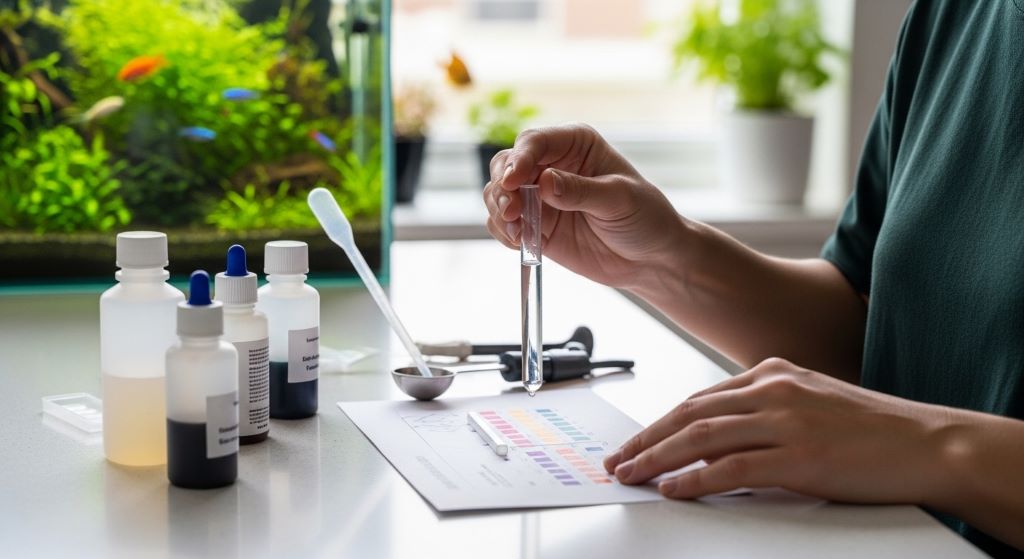
Throughout mold treatment, monitor water parameters closely. Mold die-off and decomposition consume oxygen and release compounds that affect water chemistry. Test pH, ammonia, nitrite, and nitrate levels daily during active treatment. Increase aeration using an air stone if oxygen levels drop noticeably.
Additionally, observe your fish for stress indicators such as gasping at the surface, clamped fins, or hiding behavior. These signs suggest water quality issues requiring immediate partial water changes. Maintain stable temperature throughout treatment, as fluctuations stress fish and compromise their immune systems.
Keep a treatment log recording dates, methods used, and observed results. This documentation helps identify effective strategies for your specific tank conditions and prevents repeating ineffective approaches.
Long-Term Strategies for a Healthy Aquarium
Creating a balanced aquarium ecosystem provides the best defense against mold and other problems. Establish a robust nitrogen cycle with adequate beneficial bacteria colonies. These bacteria process fish waste into less harmful compounds, reducing nutrients available for mold growth.
Therefore, avoid over-cleaning your tank, which removes beneficial bacteria along with harmful organisms. Clean only portions of substrate during each maintenance session and rinse filter media in old tank water rather than tap water. This preserves bacterial colonies while removing accumulated debris.
Consider adding cleanup crew organisms appropriate for your tank. Snails, shrimp, and bottom-feeding fish consume organic debris before it decomposes and supports mold growth. These animals also stir substrate, preventing anaerobic pockets from forming.
Conclusion
Treating aquarium mold without harming fish requires a balanced approach combining immediate removal, natural prevention methods, and addressing root causes. Manual cleaning, partial water changes, and improved circulation eliminate existing mold safely. Meanwhile, proper feeding practices, adequate filtration, and consistent maintenance prevent recurrence. Remember that mold indicates an environmental imbalance rather than a disease, so focus on creating optimal conditions for your fish. With patience and diligent care, you can maintain a crystal-clear, mold-free aquarium where your fish thrive. Always prioritize gentle, fish-safe methods before resorting to chemical treatments, and your aquatic pets will reward you with vibrant health and natural behavior.
Frequently Asked Questions
Is white fuzzy mold dangerous to my fish?
Most aquarium mold poses minimal direct threat to fish health. However, mold indicates poor water quality conditions that can stress fish and make them susceptible to disease. The decomposition process that supports mold growth consumes oxygen and releases harmful compounds. Therefore, while the mold itself rarely harms fish directly, the conditions allowing its growth definitely threaten aquatic life.
How quickly should I remove mold from my aquarium?
Address visible mold within a few days of detection to prevent extensive spread. However, avoid panicking and over-treating, which stresses fish more than small amounts of mold. Start with manual removal and a partial water change, then monitor progress over several days. Gradual improvement indicates your approach is working without requiring aggressive intervention.
Can I use hydrogen peroxide to kill aquarium mold?
Hydrogen peroxide can kill mold but requires extreme caution around fish. Diluted hydrogen peroxide applied directly to affected decorations outside the tank works safely. Never add hydrogen peroxide directly to water containing fish without expert guidance, as incorrect dosing causes severe gill damage and death. Safer alternatives like manual removal and natural prevention methods protect your fish better.
Why does mold keep returning to my fish tank?
Recurring mold indicates unresolved underlying problems such as overfeeding, inadequate filtration, or poor water circulation. Mold spores exist everywhere, but they only colonize when conditions support their growth. Identify and correct the root cause rather than simply treating symptoms repeatedly. Consistent maintenance and proper tank balance prevent future outbreaks more effectively than repeated treatments.
Does mold affect aquarium plants?
Mold rarely damages healthy aquarium plants directly. However, mold growing on plant surfaces may block light and reduce photosynthesis. Additionally, the conditions promoting mold growth often coincide with poor plant health, including inadequate lighting, excess organic waste, and insufficient nutrients. Improving overall tank conditions benefits both plants and prevents mold simultaneously.
Related Topics:
How to Fertilize Aquarium Plants Naturally: A Complete Guide for Healthier Aquascapes
Aquarium Lighting: Illuminating Your Underwater World