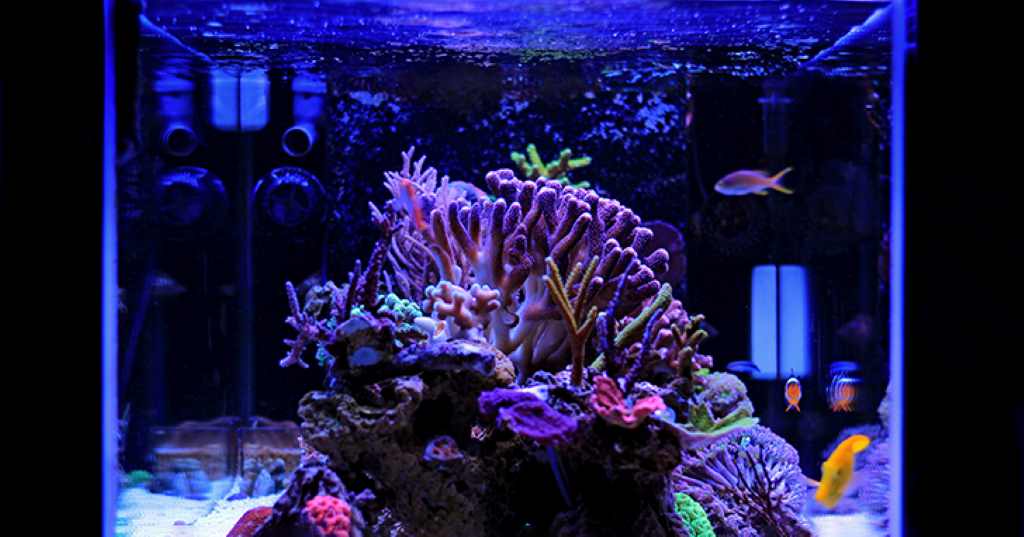
Aquarium lighting is far more than just a way to see your fish; it plays a crucial role in the overall health and aesthetics of your aquatic ecosystem. From promoting plant growth to highlighting the vibrant colors of your fish, proper aquarium lighting is essential for creating a thriving and visually stunning underwater world. In this comprehensive guide, we’ll delve into the intricacies of aquarium lighting, providing you with the knowledge you need to make informed decisions and create an optimally illuminated aquatic environment.
The Importance of Aquarium Lighting
Aquarium lighting serves several key purposes:
- Photosynthesis: Live aquatic plants rely on light for photosynthesis, the process by which they convert light energy into chemical energy for growth. Providing the right type and intensity of light is essential for maintaining healthy plant life in your aquarium.
- Fish Health and Behavior: Light influences the natural rhythms and behaviors of fish. Providing a consistent day/night cycle helps regulate their biological processes and promotes overall well-being.
- Aesthetics: The right lighting can dramatically enhance the visual appeal of your aquarium, not only by highlighting the natural colors of your fish and plants but also by supporting the growth of aquatic greenery like pothos. Incorporating pothos in aquarium setups can add a touch of vibrant greenery that thrives with proper lighting, creating a captivating display. To explore more about integrating pothos and optimizing lighting for your aquarium, read more on the subject for a comprehensive guide.
Types of Aquarium Lighting
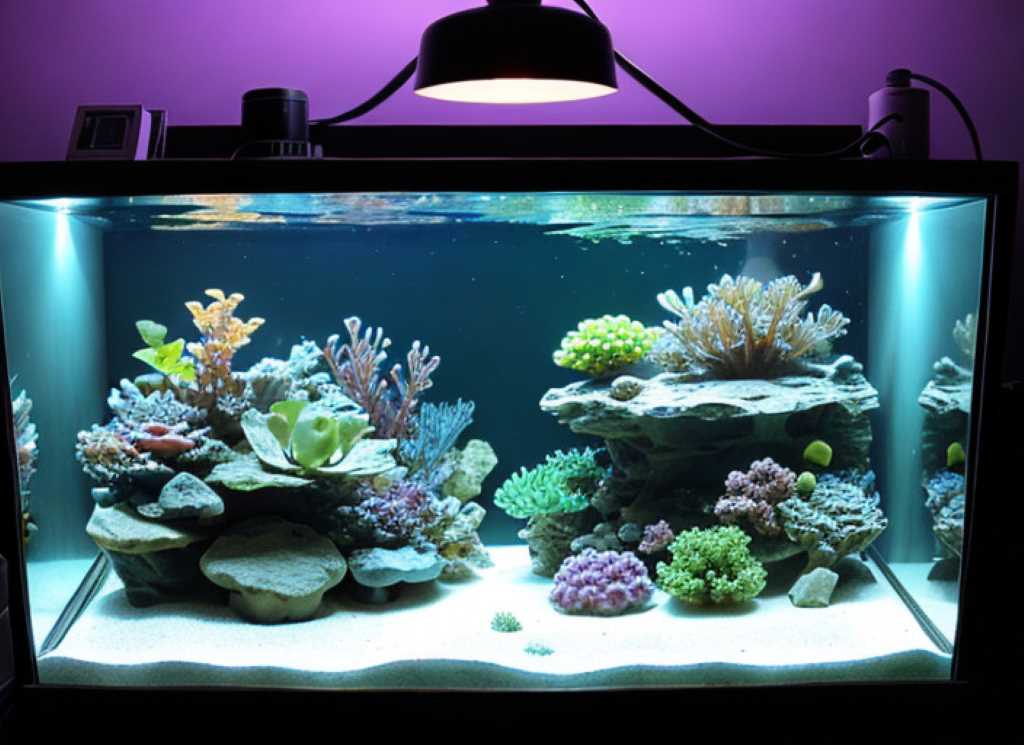
Several types of aquarium lighting are available, each with its own advantages and considerations:
- Fluorescent Lighting: This is a popular and affordable option for general aquarium lighting. Fluorescent tubes come in a variety of sizes and color temperatures, offering flexibility for different aquarium setups.
- LED Lighting: LED lights are becoming increasingly popular due to their energy efficiency, long lifespan, and customizable color options. They can be programmed to simulate natural sunrise/sunset cycles, enhancing the visual appeal of your aquarium.
- Metal Halide Lighting: These lights are known for their high intensity and are often used in deep aquariums or for setups with demanding coral species. However, they can generate significant heat and require additional cooling measures.
Choosing the Right Lighting
Selecting the appropriate lighting for your aquarium involves considering several factors:
- Aquarium Size: The size of your aquarium will determine the wattage and intensity of lighting required. Larger aquariums generally need more powerful lighting to ensure adequate coverage.
- Aquarium Inhabitants: The type of fish and plants in your aquarium will influence your lighting choices. Some plants require higher light intensity for optimal growth, while certain fish species may prefer subdued lighting.
- Desired Aesthetics: The type of lighting you choose will significantly impact the overall look and feel of your aquarium. Consider the color temperature and intensity that will best highlight your aquatic inhabitants and create the desired visual effect.
Lighting Intensity and Spectrum
- Intensity: The intensity of light is measured in lumens or PAR (Photosynthetically Active Radiation). Different plants and corals have varying light requirements, so it’s important to choose lighting that provides adequate intensity for their needs.
- Spectrum: The spectrum of light refers to the range of wavelengths emitted. Full-spectrum lighting, which mimics natural sunlight, is generally recommended for most aquariums. However, specific wavelengths may be beneficial for certain plants or corals.
Lighting Duration and Photoperiod
- Duration: The duration of lighting, or photoperiod, should typically be around 8-10 hours per day. This provides enough light for photosynthesis while allowing for a natural day/night cycle.
- Photoperiod Consistency: Maintaining a consistent photoperiod is essential for the health and well-being of your aquatic inhabitants. Avoid frequent changes in lighting duration, as this can disrupt their natural rhythms.
Additional Considerations
- Lighting Placement: The placement of your lighting fixtures will affect light distribution and overall aesthetics. Consider the shape and depth of your aquarium when positioning your lights.
- Lighting Control: Programmable lighting systems allow for greater control over lighting intensity, color, and duration. This can be particularly beneficial for simulating natural sunrise/sunset cycles and creating dynamic visual effects.
- Lighting Maintenance: Regular cleaning and maintenance of your lighting fixtures are essential to ensure optimal performance and longevity. Dust and algae buildup can significantly reduce light output.
Conclusion
Aquarium lighting is a critical aspect of creating a healthy and visually appealing aquatic environment. By understanding the different types of lighting, their applications, and the factors influencing your choices, you can make informed decisions that will benefit both your fish and plants. Remember, the right lighting not only illuminates your underwater world but also plays a vital role in promoting the overall health and well-being of your aquatic ecosystem. With careful consideration and proper implementation, you can create an aquarium that is both visually stunning and biologically thriving.