Golf is one of the most rewarding sports in the world. However, it can also feel confusing when you are just getting started. Walking into a golf store for the first time can be overwhelming. There are clubs, bags, balls, gloves, shoes, and so much more lining every shelf.
The good news is that choosing the right equipment does not have to be complicated. Whether you are a complete beginner or a seasoned player looking to upgrade, this guide will walk you through everything you need to know. With the right information, you can make smart choices and enjoy your time on the course from day one.
Why the Right Equipment Makes a Difference
Many new golfers underestimate how much their equipment affects their game. Using the wrong clubs or ill-fitting gear can make the sport much harder than it needs to be. On the other hand, the right equipment helps you build good habits and improve faster.
Golf is a precision sport. Every piece of gear plays a role in how you swing, how the ball travels, and how comfortable you feel during a round. Therefore, taking time to understand what you need before you buy is always worth it. A little research upfront saves you money and frustration in the long run.
Starting with the Golf Clubs
Golf clubs are the foundation of your game. Without the right set, everything else becomes harder. Fortunately, you do not need to buy every type of club right away. Most beginners do well with a starter set that covers the basics.
Understanding the Types of Clubs
There are several types of golf clubs, and each one serves a different purpose on the course.
Drivers are used for long shots from the tee box. They have a large clubhead and are designed to send the ball as far as possible. Beginners often find drivers the hardest to control, so look for one with a larger sweet spot.
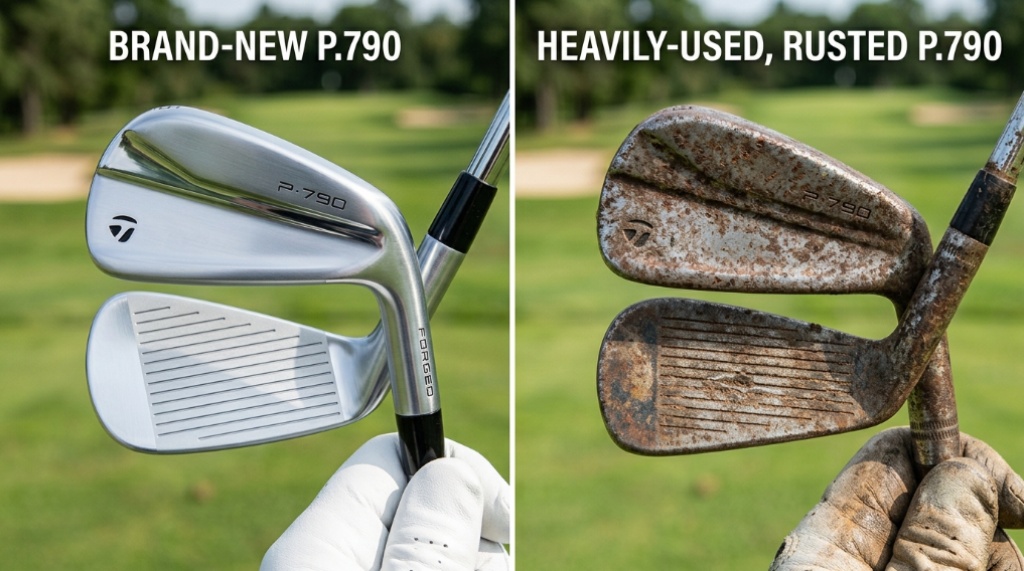
Irons are versatile clubs used for a wide range of shots. They are numbered from 3 to 9, with lower numbers hitting the ball farther and higher numbers offering more control. Most beginners start with a set of 6 through 9 irons, which are easier to use.
Wedges are designed for short, precise shots near the green. A pitching wedge and a sand wedge are the two most useful options for new players. They help you get out of tricky spots and land the ball close to the hole.
Putters are used on the green to roll the ball into the hole. Putting makes up a large percentage of your total strokes, so investing in a comfortable putter is a smart move. Try a few different styles to see which one feels most natural in your hands.
Choosing the Right Shaft Flex
The shaft of a club affects how the ball flies when you hit it. Shafts come in different flex options, from extra stiff to ladies flex. Choosing the right one depends on your swing speed. Beginners and players with slower swings generally do better with a more flexible shaft. It helps generate more distance with less effort. Therefore, do not overlook shaft flex when selecting your clubs.
Selecting the Right Golf Ball
Golf balls may all look the same, but they are not. Different balls are designed for different swing speeds and playing styles. Using the wrong ball can actually hurt your performance.
Ball Construction Matters
Golf balls are made with either two, three, or four layers. Two-piece balls are ideal for beginners. They are durable, affordable, and designed to travel far. Additionally, they are forgiving on off-center hits, which happen often when you are still learning.
Three and four-piece balls offer more control and spin. However, they are better suited for intermediate and advanced players. If you are just starting out, stick with a two-piece ball until your swing becomes more consistent.
Compression Rating
Every golf ball has a compression rating. Low-compression balls are softer and easier to hit. They work well for players with slower swing speeds. High-compression balls require more power and are best for experienced golfers. Beginners should look for balls with a lower compression rating to get the most out of each shot.
The Golf Bag and What Goes in It
A good golf bag keeps your clubs organized and easy to carry. There are three main types to consider.
Stand bags are lightweight and come with retractable legs. They are popular among walkers and are easy to carry around the course. Cart bags are larger and designed to sit on a golf cart. They offer more storage space but are heavier. Staff bags are the oversized bags you see tour professionals use. They are not practical for most recreational golfers.
For most players, a stand bag is the best choice. It is versatile, practical, and comfortable to use.
Beyond clubs and balls, your bag should also include a few other essentials. Tees are small but important. Always carry a good supply in different sizes. Ball markers help you mark your ball’s position on the green. A divot repair tool keeps the course in good condition and is part of proper golf etiquette. A small towel for cleaning your clubs and balls is also incredibly useful.
Golf Gloves and Why They Matter
A golf glove improves your grip on the club. This is especially helpful in warm weather when your hands get sweaty. Without a glove, the club can slip during your swing, leading to wayward shots.
Most right-handed golfers wear a glove on their left hand. Left-handed golfers wear one on their right hand. This is because the lead hand does most of the work in the swing.
When choosing a glove, fit is everything. It should feel snug but not tight. You want full finger coverage with no excess material bunching up in the palm. Leather gloves are more durable and offer a better feel. Synthetic gloves are more affordable and perform well in wet conditions. Additionally, some players choose to wear gloves on both hands, which is perfectly fine.
Golf Shoes and Footwear Basics
Your feet are your foundation in golf. Having the right shoes improves your balance, grip, and overall comfort during a round. Walking 18 holes covers several miles, so footwear matters more than many new golfers realize.
Golf shoes come in two main styles: spiked and spikeless. Spiked shoes have small cleats on the bottom that dig into the ground. They provide excellent traction, especially on wet or hilly courses. Spikeless shoes look more like sneakers and are comfortable for walking on and off the course.
For beginners, spikeless shoes are a great starting point. They are versatile, easy to break in, and work well on most courses. However, if you play in wet climates or on courses with steep terrain, spiked shoes may serve you better.
Comfort is the top priority. Look for shoes with good arch support, a waterproof upper, and a cushioned insole. Your feet will thank you on the back nine.

Apparel and Dress Code Considerations
Golf has a dress code. Most courses require collared shirts and prohibit denim. Understanding what to wear before you show up saves you from an awkward situation at the clubhouse.
Polo shirts are the most common choice. They are comfortable, breathable, and appropriate for almost every course. Golf pants or shorts made from stretchy, moisture-wicking fabric allow for a full range of motion during your swing.
A hat or visor protects you from the sun during long rounds. Sunglasses designed for sports can also be helpful, though some golfers prefer not to wear them. Layering is smart if you play in variable weather. A lightweight wind jacket that folds into a pocket is easy to carry and very useful.
Training Aids and Practice Tools
Improving your game takes practice. Fortunately, there are many affordable tools that make practicing at home more effective.
Putting mats let you practice your stroke in your living room or backyard. They come in different sizes and can significantly improve your confidence on the green. Alignment sticks are simple rods that help you practice proper stance and swing path. They are inexpensive and used by golfers at every skill level.
A swing trainer is another useful tool for beginners. It teaches proper mechanics and helps you develop a consistent swing. Additionally, impact tape is a low-cost option that shows you where the ball is making contact on your clubface. This feedback is invaluable when you are trying to improve.
Budgeting for Your Golf Equipment
Golf equipment can range from very affordable to extremely expensive. The key is knowing where to invest and where to save.
Beginners should not spend a lot on clubs right away. A quality starter set costs far less than a premium set, and it will serve you well while you are learning. As your game improves, you can upgrade individual clubs based on your specific needs.
Golf balls are another area where beginners can save money. Since you are likely to lose a few balls during a round, buying budget-friendly options makes good financial sense.
Invest more in your shoes and glove. These items directly affect your comfort and grip, which matter in every single shot. Quality footwear and a well-fitting glove are part of the must-have golf gear that no player should skip.
Additionally, consider buying used equipment from reputable sources. Many golf shops and online marketplaces sell pre-owned clubs in excellent condition. This is a smart way to get quality gear at a lower price.
A Note on Getting Fitted
Club fitting is a process where a professional measures your swing, height, and hand size to recommend clubs tailored specifically to you. Many golfers skip this step, but it can make a significant difference in your comfort and consistency.
Even beginners can benefit from a basic fitting session. It does not have to be expensive. Many golf stores offer free or low-cost fitting services. Furthermore, knowing your ideal club length, lie angle, and shaft flex helps you make much smarter purchases from the start.
Conclusion
Choosing the right golf equipment does not have to feel overwhelming. Start with the basics: a good set of starter clubs, the right golf balls for your swing speed, a comfortable stand bag, a well-fitting glove, and supportive footwear. These are the golf basics that every player needs, regardless of skill level.
From there, build your kit gradually. Add practice tools, upgrade individual clubs, and pay attention to fit and comfort along the way. Remember that the best equipment is the kind that works for your body and your game, not the most expensive option on the shelf.
Golf is a lifelong sport. The right gear will help you enjoy every round more, improve faster, and stay comfortable no matter the course or the conditions. Take your time, do your research, and invest wisely. You will be well on your way to a game you love.
Frequently Asked Questions
What is the most essential piece of golf equipment for a beginner?
A starter set of clubs is the most important purchase for any new golfer. Look for a set that includes a driver, a few irons, a wedge, and a putter. These cover most situations you will encounter on the course.
How many clubs am I allowed to carry in my golf bag?
The official rules of golf allow a maximum of 14 clubs in your bag during a round. However, beginners do not need to carry that many. Starting with 8 to 10 clubs is perfectly fine and far less confusing.
Do I really need golf-specific shoes?
Yes, golf shoes are highly recommended. They provide traction and stability during your swing, which directly affects the quality of your shots. They also keep your feet comfortable during a long round of walking.
How often should I replace my golf balls?
Golf balls do not need to be replaced after every round, but you should check them regularly for cuts, scuffs, or deformities. A damaged ball can affect flight and distance. If you are losing several balls per round, budget-friendly options are a practical choice.
Is it worth getting custom club fitting as a beginner?
Yes, even a basic fitting session is worthwhile. It helps you understand what shaft flex and club length suit your swing. This knowledge prevents you from buying equipment that works against your natural movement and makes learning the game harder than it should be.
Related Topics:
Best Youth Sports Protective Gear 2025: BOSONER Set Reviewed
Essential Gear for First-Time Skateboarders: Choosing the Perfect Beginner Skateboard Board and Beyond