
You know the feeling: you are halfway through a long day on the water, and your shoulders are starting to burn. Reapplying sunscreen every hour gets old fast, and that sticky feeling never really goes away. The solution is simpler than you might think. A high-quality sun shirt makes all-day protection effortless. It blocks harmful UV rays, keeps you cool, and eliminates the need for constant reapplication. But not all sun shirts are created equal. Many claim to offer protection but fail in comfort, fit, or durability. We have researched what separates top-tier options from the rest, focusing on what actually matters for real-world wear. Let’s break down how to choose the best men’s UPF 50 shirts for your specific needs so you can stay safe and comfortable without compromise.
Key Takeaways
- UPF 50 is the gold standard for fabric sun protection, blocking over 98% of UVA and UVB rays; anything above this offers only marginal gains.
- Fit is critical for comfort: choose a snug athletic fit for water sports to prevent chafing and a looser regular fit for casual wear and hiking.
- Fabric choice dictates comfort; look for lightweight polyester or nylon blends with advanced moisture-wicking and quick-dry properties.
- Flatlock seams and strategic ventilation are the difference between a shirt that feels like sandpaper after six hours and one you forget you are wearing.
- Always prioritize a quality brand with documented testing over a generic $15 shirt that offers no assurance of its protective rating.
Why a Dedicated UPF 50 Shirt Beats T-Shirts and Sunscreen
A regular cotton t-shirt offers minimal protection. When it gets wet, that protection drops even further, sometimes to as low as UPF 5. Sunscreen, while effective, requires perfect application and frequent reapplication, especially after swimming or sweating. A dedicated UPF 50 shirt solves both issues through the fabric itself. The tight weave and specialized fibers physically block the vast majority of ultraviolet radiation. This makes it a more reliable and sustainable method of sun safety for anyone who spends extended time outdoors. You put the shirt on, and the protection is active for as long as you wear it, wet or dry.
Decoding the UPF Rating System
Understanding the numbers helps you make a smarter purchase. UPF stands for Ultraviolet Protection Factor. A shirt rated UPF 50 allows only 1/50th of the sun’s UV radiation to reach your skin. This translates to blocking approximately 98% of UVA and UVB rays. For most people and most climates, UPF 50 is the sweet spot. Ratings of UPF 50+ or UPF 100 exist, but the difference in real-world protection is negligible after you hit UPF 50. The added numbers are often more about marketing than meaningful additional protection.
The Water and Sweat Factor
This is where many cheaper shirts fail. A shirt might be rated UPF 50 when dry, but what happens when you jump in the ocean or work up a sweat? Quality manufacturers label their shirts as UPF 50 when wet. If a shirt does not specify this, the protection may diminish significantly once it is damp. For activities like surfing, paddleboarding, or fishing, this is a non-negotiable feature. Look for explicit language confirming the rating remains effective after prolonged exposure to water and moisture.
What to Look For in Men’s UPF 50 Shirts: Key Features Analyzed
When you start comparing options, the number of features can be overwhelming. However, for all-day comfort and performance, a few factors stand out above the rest. Focusing on these critical areas will help you filter through the noise and find the right shirt for your primary activities.
Fabric Composition: The Foundation of Comfort
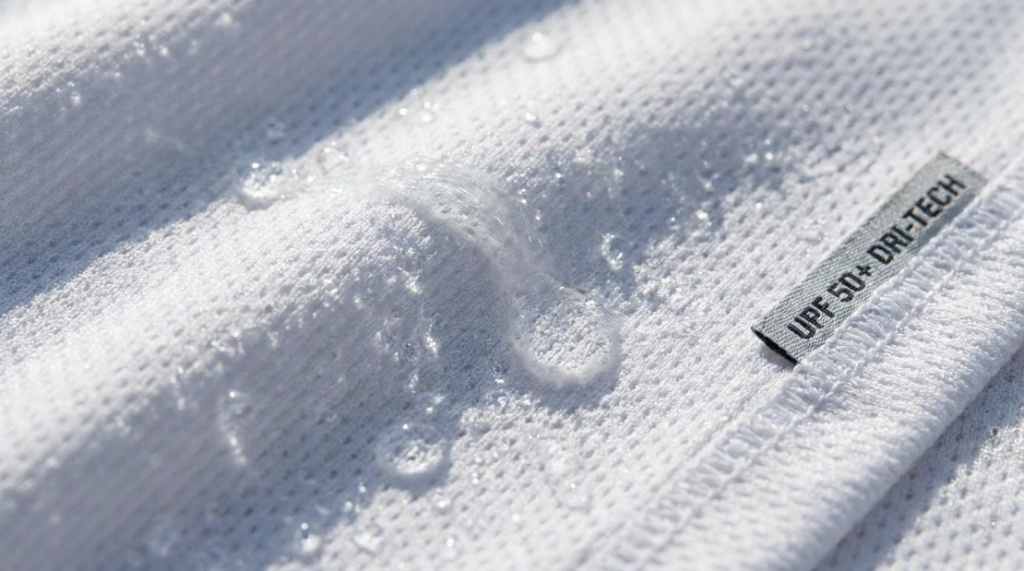
You want a fabric that is lightweight, breathable, and quick-drying. The most common and effective materials are polyester and nylon. Polyester is excellent at wicking moisture away from the skin and dries incredibly fast. Nylon is generally softer and more durable, making it great for abrasive activities like snorkeling or roughhousing in the surf. Many high-end options use a blend of both to combine durability with a soft feel. Avoid fabrics that feel thick, stiff, or heavy, as they will become uncomfortable in warm weather.
Ventilation and Breathability: Temperature Control
Some men worry that a long-sleeve shirt will be too hot in the summer sun. A well-designed UPF shirt, however, actively works to keep you cool. Look for designs with mesh panels under the arms or down the back. These “pit vents” or cooling zones facilitate airflow, preventing heat from building up inside the shirt. The fabric itself should have tiny perforations or a knit structure that allows heat to escape while still maintaining a dense enough weave to block the sun. If you run warm, make ventilation a top priority.
Seam Construction and Chafing Prevention
Chafing is the enemy of all-day comfort. Traditional seams, which are raised and can rub against the skin with repetitive motion, are a major culprit. Premium UPF shirts use flatlock seams. These are stitched flat against the fabric, creating a smooth profile that minimizes friction. When you are paddling, casting, or hiking, this is the difference between a comfortable day and a painful rash. Before you buy, check the interior stitching. If the seams feel bulky against your hand, they will likely cause problems during extended wear.
Fit and Mobility: Balancing Coverage and Movement
Fit is deeply personal, but it must serve your intended purpose. For high-activity water sports like surfing or swimming, a snug, athletic fit is best. This reduces drag and prevents the shirt from billowing up when you dive or move. For casual beach wear, hiking, or fishing, a regular or relaxed fit offers better airflow and comfort. Consider the hem length as well; shirts with a longer tail can be tucked in and will stay put during active movement.
Men’s UPF 50 Shirts: Long Sleeves vs. Short Sleeves
Choosing between long and short sleeves comes down to your risk tolerance and activity level. Each offers distinct advantages depending on the situation.
Long Sleeves: Maximum Protection
Long sleeves are the best choice for maximum coverage. They protect the forearms, which are among the most common areas for sun damage, especially for people who drive, work outdoors, or lean over desks in sunny offices. They also protect you from the elements, including wind and cooler temperatures on the water. Modern long-sleeve shirts are so breathable that you rarely notice the extra fabric. If you can only own one shirt for dedicated sun protection, make it a long-sleeve option.
Short Sleeves: Versatility and Casual Comfort
Short-sleeve UPF shirts are easier to pack and often feel more like a standard t-shirt. They are ideal for casual wear, from beach walks to patio lunches to a quick round of golf. However, you must be diligent about applying sunscreen to your forearms and the backs of your hands. For many, a short-sleeve shirt is a better entry point into sun-protective clothing because it feels more familiar. They are best for situations where sun exposure is moderate and not the primary concern.
How to Care for Your UPF 50 Shirt to Extend Its Lifespan
Sun shirts are an investment in your health and comfort. Taking proper care of them ensures they continue to perform at their maximum level for years. Improper care can stretch the fabric, degrade the fibers, and compromise the protective rating over time.
- Rinse after salt or chlorine exposure: Salt and chlorine are corrosive to synthetic fabrics. Immediately rinse your shirt in cold freshwater after swimming in the ocean or a pool.
- Skip the fabric softener: Fabric softeners leave a coating on the fibers that can reduce breathability and wicking ability. They can also affect the fabric’s structure and potentially its UV-blocking capacity.
- Wash in cold water: Always wash your UPF shirt in cold water using a gentle cycle. Heat can break down the elastic fibers and synthetic materials over time.
- Hang to dry: The heat from a dryer is harsh on tech fabrics. Always hang your shirt to dry in the shade. Pulling it out immediately after washing and letting it air dry will help it maintain its shape and protective integrity.
Comparing Top-Tier UPF 50 Shirts: A Look at the Contenders
The market is crowded, but the top contenders share similar high standards for fabric quality and design. While you cannot go wrong with any reputable brand, understanding their specific strengths helps you choose the right one. Some brands might focus on being featherweight, while others prioritize extreme durability against rugged environments. Here is a general comparison of what to consider:
| Brand/Product Focus | Key Strength | Best For | Ideal Fit |
|---|---|---|---|
| Roadbox (via The Surfing Village) | Blend of comfort and performance for sun and surf | Surfing, paddleboarding, beach days | Athletic but not restrictive |
| Patagonia Capilene Cool | Sustainable materials and hooded tech | Hiking, climbing, minimalist travel | Slim-fit technical |
| Columbia PFG Line | Great value and wide variety of styles | Fishing, casual boating, everyday wear | Classic relaxed to standard |
| Cotopaxi Teca Caliente | Very lightweight and packable | Hot-weather hiking and travel | Standard travel fit |
This table is a starting point. When you are researching specific models, read user reviews that specifically mention long-duration comfort and chafing, as this is where many cheaper shirts fail.
When Do You Need a Heavier UPF Shirt?
Not all sun shirts are designed for the hottest weather. Some specific scenarios call for a different type of fabric. If you are fishing, you often need a shirt that can withstand the elements—specifically, one that resists water and wind while providing warmth. In this case, a burlier, sometimes slightly thicker, fabric is preferable, even if it sacrifices a bit of breathability. These shirts often have additional features like chest pockets for tackle or sunglasses and are designed to be worn in layers in cooler morning weather. If you are on a boat in the early morning, a lightweight mesh shirt may not provide enough warmth. Identify your environment: is it hot and sweaty or cool and breezy? Choose the weight of the shirt accordingly.
Common Mistakes to Avoid When Buying Sun Shirts
Even savvy shoppers can make errors that lead to a shirt sitting in a drawer unused. Being aware of these pitfalls will ensure the shirt you buy actually becomes your go-to gear,When packing light for your next sunny getaway or beach vacation, remember that comfort extends beyond your daytime layers—learn more in our guide on why san diego, ca travelers prefer lightweight robes.
Ignoring the Significance of the Fit
Buying a shirt that is too big defeats the purpose of the sun protection, as the fabric may slide and shift, exposing skin. Buying one that is too small will compress you, restrict movement, and feel uncomfortable. Always check the manufacturer’s size guide and compare it to your measurements. Remember that athletic-cut shirts are meant to fit tighter, so do not size up out of habit unless you find the standard cut restrictive.
Prioritizing Style Without Checking Performance
It is tempting to buy the cheapest shirt that looks okay, but you will end up replacing it quickly. A low-quality shirt might lack proper moisture management, leaving you feeling clammy and cold if the weather turns. Always check the fabric composition details on the tag. If the fabric composition is not listed clearly, that is a red flag for product quality. A higher price tag often reflects better materials, better construction, and a true adherence to the UPF rating standard.
Frequently Asked Questions
Are UPF 50 shirts hotter than regular t-shirts?
No, a well-designed UPF 50 shirt should actually be cooler than a cotton t-shirt. They are engineered to wick moisture away from your skin and facilitate airflow through breathable mesh panels. This evaporative cooling effect helps regulate your temperature more effectively than a heavy, sweat-soaked cotton shirt.
Can I wear a UPF 50 shirt while swimming?
Yes, absolutely. In fact, these shirts are often marketed as “rash guards” because they are perfect for swimming in the ocean or pool. They protect your back, shoulders, and arms from the sun while providing a layer of protection against chafing from surfboards, boogie boards, or life jackets.
Do UPF 50 shirts feel like wearing a wetsuit?
Not at all. Wetsuits are made from thick neoprene to trap a layer of water for warmth. UPF shirts are made from lightweight, thin synthetic materials like polyester and nylon. Their primary purpose is to block UV rays, not to retain heat. They are often built with knit structures that look and feel similar to athletic wear, just with a denser, sun-blocking weave.
How long does UPF 50 protection last in the fabric?
For most quality shirts, the UPF rating is permanent as long as the fabric maintains its structural integrity. However, stretching the fabric can reduce its effectiveness. The actual blocking is achieved through the fabric’s structure and chemical absorbers that are embedded in the fiber. Over many years of wear, the fabric may thin, and the chemical absorbers will break down, so it is wise to replace them once they become very worn or thin.
Are all UPF 50 shirts the same?
No, there is a significant difference between the best and the worst UPF shirts. While they may offer the same primary protection, they differ drastically in breathability, moisture-wicking, stretch, durability, and seam construction. The fabric quality determines if it will hold its shape and feel comfortable after a long day of activity. This is why brand reputation and fabric technology are just as important as the UPF number itself.
Conclusion
Choosing the right UPF 50 shirt comes down to balancing protection with the demands of your specific activities. Always prioritize shirts that maintain their rating when wet, are constructed from quality polyester or nylon blends, and feature flatlock seams to prevent chafing. Whether you are surfing, hiking, or just spending a long day outdoors, taking the time to find a shirt that fits well and breathes properly will genuinely improve your experience. It is about more than just avoiding a sunburn; it is about ensuring that your time in the sun is safe, comfortable, and entirely enjoyable without needing to worry about sunscreen on your back and arms. Invest in a shirt that meets these criteria, and it will serve you well every season.