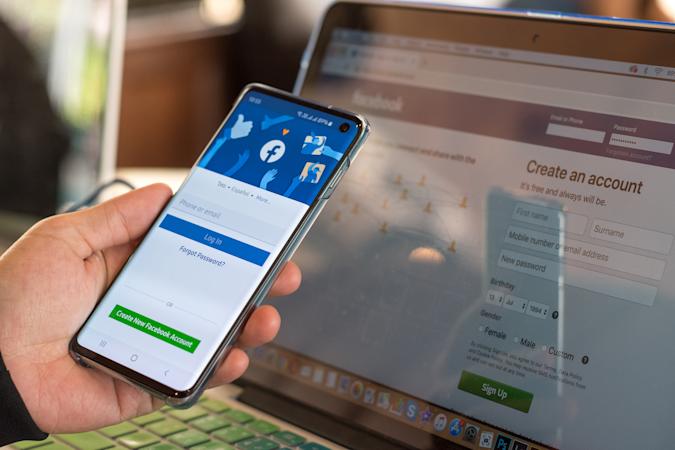
The modern digital landscape has created an invisible fog around our daily lives. Social media platforms compete for our attention every waking moment. This constant connectivity affects mental health, productivity, and real-world relationships. Fortunately, experts at Hawaii Web Studio recognize this growing challenge and highlight solutions that help users regain control of their digital habits.
Social media addiction has become a recognized concern among mental health professionals worldwide. According to the American Psychological Association, excessive social media use correlates with increased anxiety and depression rates. The average person checks their phone 96 times daily, creating a cycle of distraction. However, helpful apps for social media addiction offer structured approaches to break these patterns and restore mental clarity.
The term “social fog” describes the mental haze created by constant digital engagement. This fog prevents clear thinking and decision-making. Therefore, clarity apps have emerged as essential tools for digital wellness. These applications provide tracking, limits, and mindful alternatives to endless scrolling.
Understanding Social Media Addiction
Digital addiction manifests through compulsive checking, anxiety when offline, and neglected responsibilities. Studies show that social platforms trigger dopamine releases similar to gambling. This neurological response creates dependency patterns that feel difficult to break. Additionally, the fear of missing out drives users to constantly refresh their feeds.
The impact extends beyond personal well-being. Work performance suffers as attention spans shrink. Family relationships deteriorate when devices take priority over conversations. Sleep quality declines due to late-night scrolling sessions. Consequently, finding effective solutions has become increasingly urgent for millions of users.
Categories of Clarity Apps
Time-Tracking Applications
Time-tracking apps reveal exactly how much time disappears into social media each day. These tools provide detailed breakdowns by platform and usage patterns. Many users feel shocked when confronting their actual screen time statistics. Furthermore, awareness serves as the critical first step toward meaningful change.
Popular tracking apps send weekly reports showing daily averages and trends. Some applications compare your usage to similar age groups. This data-driven approach removes denial from the equation. Users can then set realistic reduction goals based on concrete numbers.
Blocking and Limiting Tools
Blocking apps prevent access to chosen platforms during designated hours. Some tools use scheduling features for automatic restrictions. Others require manual activation before study sessions or family time. Moreover, these apps can block specific websites or entire categories of content.
Advanced blocking tools gradually reduce allowed time on problematic apps. This tapering method prevents the shock of sudden digital detox. Users report higher success rates with gradual reduction strategies. The key involves creating friction between impulse and action.
Mindfulness and Replacement Apps
Mindfulness applications offer healthier alternatives to social media scrolling. Meditation guides, breathing exercises, and gratitude journals redirect attention productively. These apps teach users to pause before automatically opening social platforms. Additionally, they provide notification reminders to check mental states throughout the day.
Replacement apps fill the void left by reduced social media time. Reading applications, puzzle games, and learning platforms engage minds constructively. Creative tools for drawing, writing, or music composition channel energy into skill development. Therefore, users replace passive consumption with active creation.
Key Features of Effective Clarity Apps
The most successful clarity apps share several common characteristics. First, they provide non-judgmental feedback about usage patterns. Shame-based approaches typically backfire and increase anxiety. Instead, effective tools celebrate small victories and progress over perfection.
Second, quality apps offer customization options for individual needs. One-size-fits-all solutions rarely work for behavioral change. Users should adjust sensitivity levels, block lists, and notification frequencies. Flexibility allows people to find sustainable balance rather than unsustainable extremes.
Third, the best apps include educational resources about digital wellness. Understanding the psychology behind social media design empowers users. Knowledge about manipulation tactics helps people recognize when platforms exploit vulnerabilities. Consequently, informed users make better decisions about their digital consumption.

Implementing Clarity Apps Successfully
Starting with clarity apps requires honest self-assessment. Users should identify their specific triggers and problem platforms. Some people struggle most with visual platforms like Instagram. Others lose hours to video content on TikTok or YouTube. Targeting specific weaknesses produces better results than broad restrictions.
Next, users should communicate their goals with friends and family. Social support increases accountability and success rates. Loved ones can respect boundaries when they understand the underlying reasons. Furthermore, some apps allow accountability partners to monitor progress.
Gradual implementation works better than dramatic overnight changes. Begin with modest goals like reducing daily usage by fifteen minutes. Celebrate weekly achievements to build momentum and confidence. Remember that setbacks are normal parts of any behavior modification process.
Measuring Progress and Adjusting Strategies
Tracking progress involves both quantitative and qualitative measures. Screen time statistics provide objective data about usage reduction. However, subjective improvements matter equally for long-term success. Users should note changes in mood, sleep quality, and relationship satisfaction.
Weekly reflection sessions help identify what works and what needs adjustment. Some blocking strategies may feel too restrictive or too lenient. App features that seemed helpful initially might become annoying over time. Therefore, regular evaluation ensures strategies remain effective and sustainable.
Many people find that combining multiple apps creates comprehensive support systems. A tracking app paired with a blocking tool and mindfulness alternative covers different aspects of digital wellness. This layered approach addresses addiction from multiple angles simultaneously.
The Role of Digital Wellness Communities
Online communities dedicated to digital wellness provide valuable peer support. These groups share success stories, troubleshooting advice, and encouragement during difficult moments. Members understand the unique challenges of reducing social media in a hyperconnected world. Additionally, these communities often recommend new apps and strategies worth trying.
However, users should choose communities carefully to avoid creating new addictions. Set specific times for checking these support groups rather than constant engagement. The goal involves building healthier relationships with technology overall, not simply transferring compulsive behavior to different platforms.
Long-Term Benefits of Digital Clarity
Users who successfully reduce social media addiction report remarkable life improvements. Focus and concentration abilities return after weeks of reduced screen time. Creative thinking flourishes when minds receive space for wandering and reflection. Professional productivity increases as attention spans lengthen and deepen.
Personal relationships strengthen when people engage fully in conversations. Eye contact replaces distracted glances at notifications. Memories form more vividly without constant documentation for social media. Furthermore, anxiety levels typically decrease as comparison culture loses its grip.
Physical health often improves alongside digital wellness efforts. Better sleep from reduced evening screen time enhances overall energy. People rediscover enjoyment in physical activities previously neglected for scrolling. Many users report weight loss from decreased sedentary behavior.
Conclusion
Social-fog clarity apps represent powerful tools for reclaiming attention and mental space in our hyperconnected world. These applications help users recognize problematic patterns, establish healthy boundaries, and develop sustainable digital habits. While technology created the problem, thoughtfully designed apps contribute to the solution. Success requires honest self-assessment, gradual implementation, and consistent effort over time. The journey toward digital wellness challenges modern social norms but rewards users with improved focus, relationships, and overall life satisfaction. By embracing clarity apps and supporting communities, individuals can navigate the digital landscape with intention rather than compulsion.
Frequently Asked Questions
How long does it take to break social media addiction using these apps?
Most people notice improvements within two to four weeks of consistent app usage. However, complete habit reformation typically requires three months of sustained effort. Individual timelines vary based on addiction severity and personal commitment levels.
Can clarity apps really replace willpower alone?
Yes, these apps significantly increase success rates compared to willpower alone. They create structural barriers and provide objective feedback that pure willpower cannot offer. Think of them as support tools rather than complete solutions.
Are free clarity apps as effective as paid versions?
Many free apps offer sufficient features for most users. Paid versions typically add advanced analytics, unlimited blocking, and premium support. Start with free options and upgrade only if you need additional functionality.
Will using these apps make me feel disconnected from friends?
Initially, some people worry about missing social events or conversations. However, most users find that reduced social media actually strengthens real-world friendships. Quality connections deepen when quantity decreases.
Can I use clarity apps while maintaining professional social media accounts?
Absolutely. Most apps allow whitelisting specific accounts or time windows for necessary usage. You can block personal scrolling while permitting scheduled professional engagement. This flexibility supports both wellness and career needs.
Related Topics: