Driving in adverse weather conditions like rain, fog, or high humidity can significantly reduce visibility, especially when car mirrors fog up or get covered in water droplets. For drivers, maintaining clear side and rearview mirrors is critical for safety. Fortunately, hydrophobic and anti-fog solutions can help keep mirrors clear, ensuring better visibility and safer driving. This article explores the best methods and products for preventing fogging and water buildup on car mirrors, diving into what works, what doesn’t, and how to choose the right solution for your vehicle.
Understanding Hydrophobic and Anti-Fog Solutions
Hydrophobic coatings and anti-fog treatments are designed to address two distinct but related issues. Hydrophobic solutions repel water, causing it to bead up and roll off surfaces like car mirrors, preventing water from obstructing the view. Anti-fog treatments, on the other hand, prevent condensation by reducing the surface tension that allows water vapor to form droplets. Both solutions aim to maintain mirror clarity in challenging conditions, but their effectiveness depends on the product, application, and environmental factors.
For instance, what to put on car mirrors to keep from fogging and be hydrophobic is a common question among drivers looking for practical solutions. The answer often lies in a combination of DIY remedies, commercial products, and proper maintenance techniques. This article breaks down the options to help you make an informed choice.
Why Do Car Mirrors Fog Up?
Fogging occurs when warm, moist air comes into contact with a cooler mirror surface, causing water vapor to condense into tiny droplets. This is especially common in humid climates, during rain, or in cold weather when the temperature difference between the air and the mirror is significant. Water droplets can also cling to mirrors without proper treatment, reducing visibility and creating dangerous blind spots. Addressing this issue requires solutions that either prevent condensation or ensure water slides off quickly.
Popular Hydrophobic and Anti-Fog Solutions
Several solutions are available to keep car mirrors clear, ranging from household remedies to advanced commercial products. Below, we explore the most effective options, their benefits, and their limitations.
DIY Solutions
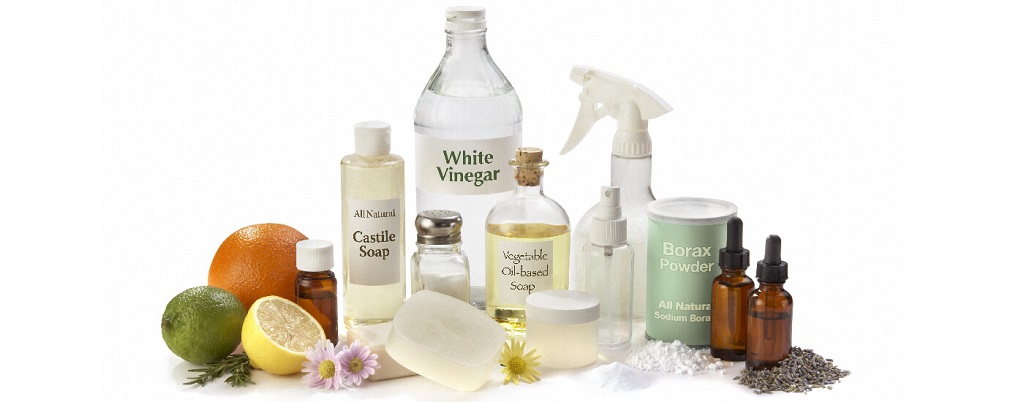
DIY methods are often cost-effective and use readily available household items. However, their effectiveness varies, and they may require frequent reapplication. Here are some popular DIY approaches:
- Shaving Cream: Applying a thin layer of shaving cream and wiping it off leaves a residue that can reduce fogging. This method is affordable but typically lasts only a few days.
- Dish Soap: A mixture of dish soap and water can create a temporary anti-fog barrier. It works by reducing surface tension, but it may not repel water as effectively as hydrophobic sprays.
- Vinegar Solution: A mix of vinegar and water can help prevent fogging and clean mirrors. However, it’s less effective in heavy rain or prolonged humidity.
- Potato or Onion: Rubbing a cut potato or onion on the mirror can create a natural anti-fog layer. This method is unconventional and may not be as reliable as commercial products.
While DIY solutions are budget-friendly, they often lack the durability of specialized products. For drivers seeking long-term results, commercial options may be a better choice.
Commercial Hydrophobic Sprays
Hydrophobic sprays are designed to create a water-repellent coating on car mirrors. These products often use advanced chemical compounds, such as silicone or nanotechnology-based formulas, to ensure water beads up and rolls off. Popular brands include Rain-X, Aquapel, and Gtechniq. These sprays are easy to apply and can last from a few weeks to several months, depending on the product and weather conditions.
For example, a well-regarded resource like autonags.com recommends applying hydrophobic sprays in thin, even layers for optimal results. Proper application involves cleaning the mirror thoroughly, applying the product, and buffing it to a clear finish. This ensures the coating adheres well and provides consistent water repellency.
Anti-Fog Films
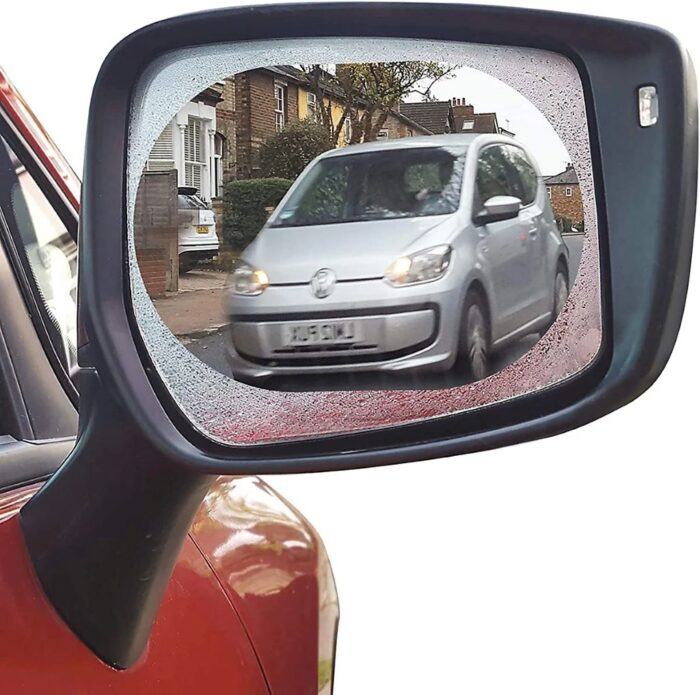
Anti-fog films are adhesive layers that can be applied to car mirrors. These films work by altering the surface properties of the mirror, preventing water vapor from condensing into droplets. They are durable, often lasting several months, and are resistant to rain and temperature changes. However, they can be tricky to apply without air bubbles, and some films may slightly distort the mirror’s clarity if not installed correctly.
Heated Mirrors
Many modern vehicles come equipped with heated side mirrors, which prevent fogging by warming the mirror surface to eliminate condensation. If your car doesn’t have this feature, aftermarket heated mirror kits are available. These kits are effective but may require professional installation, making them a more expensive option compared to sprays or films.
How to Choose the Right Solution
Selecting the best hydrophobic or anti-fog solution depends on several factors, including budget, climate, and maintenance preferences. Here are some considerations to guide your decision:
- Climate: In areas with frequent rain or high humidity, hydrophobic sprays or films may be more effective than DIY remedies.
- Durability: Commercial products like sprays and films typically last longer than household solutions, reducing the need for frequent reapplication.
- Ease of Application: Sprays and DIY methods are generally easier to apply than films or heated mirror kits, which may require precision or professional help.
- Cost: DIY solutions are the most affordable, while heated mirrors and high-end sprays are pricier but offer longer-lasting results.
Additionally, consider combining solutions for maximum effectiveness. For example, using a hydrophobic spray alongside a heated mirror can provide comprehensive protection against fogging and water buildup.
Application Tips for Optimal Results
Proper application is key to ensuring hydrophobic and anti-fog solutions work effectively. Follow these steps for the best outcome:
- Clean the Mirror Thoroughly: Remove dirt, grime, and old coatings using a glass cleaner or isopropyl alcohol. A clean surface ensures better adhesion.
- Apply in Dry Conditions: Avoid applying products in rain or high humidity, as moisture can interfere with the coating’s bonding process.
- Follow Product Instructions: Each product has specific application guidelines. For sprays, apply in thin layers and buff to a clear finish. For films, ensure no air bubbles are trapped during installation.
- Reapply as Needed: Most solutions require periodic reapplication, especially after heavy rain or car washes. Check the manufacturer’s recommendations for reapplication intervals.
Pros and Cons of Hydrophobic and Anti-Fog Solutions
Each solution has its strengths and weaknesses. Here’s a quick overview:
- DIY Solutions:
- Pros: Inexpensive, easy to apply, uses household items.
- Cons: Short-lived, less effective in extreme conditions.
- Hydrophobic Sprays:
- Pros: Long-lasting, easy to apply, effective in rain.
- Cons: Requires reapplication, may not prevent fogging in high humidity.
- Anti-Fog Films:
- Pros: Durable, effective against fogging and water buildup.
- Cons: Difficult to apply perfectly, may affect mirror clarity.
- Heated Mirrors:
- Pros: Highly effective, no reapplication needed.
- Cons: Expensive, may require professional installation.
Maintenance Tips to Prolong Effectiveness
To maximize the lifespan of your chosen solution, regular maintenance is essential. Clean mirrors gently with a microfiber cloth and avoid abrasive cleaners that can strip coatings. Additionally, park your car in a garage or covered area during heavy rain to reduce wear on hydrophobic treatments. Regularly inspect mirrors for signs of coating degradation, such as water no longer beading up, and reapply as needed.
Also Read:
Why Does My Car’s Engine Struggle to Start in Extremely Cold Temperatures?
Frequently Asked Questions (FAQs)
-
What is the best product to prevent car mirrors from fogging?
Commercial hydrophobic sprays like Rain-X or Aquapel are highly effective, as are anti-fog films. Heated mirrors are also excellent if your vehicle supports them.
-
How often should I reapply hydrophobic coatings?
Most sprays last 1-3 months, depending on weather and usage. Check the product label for specific reapplication guidelines.
-
Can I use household items to stop mirror fogging?
Yes, items like shaving cream or dish soap can work temporarily, but they require frequent reapplication and may not perform well in heavy rain.
-
Are anti-fog films worth the investment?
Anti-fog films are durable and effective, making them a good choice for drivers in humid or rainy climates, though proper installation is key.
-
Do heated mirrors eliminate the need for other treatments?
Heated mirrors are highly effective against fogging but may not fully repel water in heavy rain. Combining them with a hydrophobic spray can offer complete protection.
Conclusion
Keeping car mirrors free from fog and water buildup is essential for safe driving, especially in adverse weather. Whether you opt for DIY remedies, commercial hydrophobic sprays, anti-fog films, or heated mirrors, the key is choosing a solution that fits your needs and maintaining it properly.
Read More: Seven Essential Car Maintenance Tasks You Should Know