

Winter mornings can be frustrating, especially when your car’s engine hesitates to start. This common issue leaves many drivers wondering, “Why does my car’s engine struggle to start in extremely cold temperatures?” Low temperatures have a significant impact on your vehicle’s mechanics and components, often hindering optimal performance. Whether you’re preparing for work or heading out for errands, understanding the root causes can save time and stress.
In extremely cold weather, the viscosity of motor oil increases, making it harder for the engine to turn over. Additionally, the chemical reactions in your car battery slow down, reducing its power output. These factors combined make cold-weather starts particularly challenging. To learn more about ensuring your car runs smoothly this season, you can explore Tradecarhub, a resourceful platform for automotive solutions.
The Science Behind Cold Weather Starting Issues
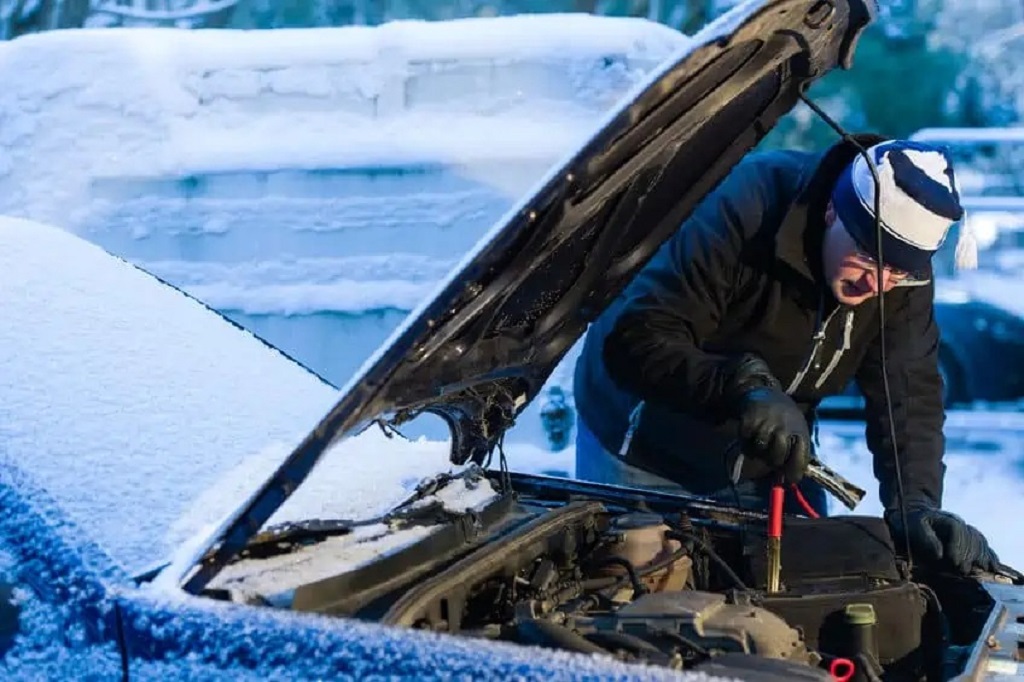
When temperatures drop below freezing, your car’s internal systems face an uphill battle. The engine requires a precise combination of air, fuel, and a spark to start. However, cold air is denser and affects air-fuel mixtures. At the same time, cold oil thickens, increasing friction within the engine.
According to the U.S. Department of Energy, a cold engine uses 12–50% more fuel during start-up due to inefficiencies in combustion. Batteries also lose 20–30% of their capacity in freezing weather, significantly impacting their ability to provide a strong initial current.
Why Your Car AC Won’t Blow Cold Air in Winter
Interestingly, cold weather can also impact your car’s air conditioning system. For those asking, why does my car AC not blow cold air? the problem often lies in the compressor or refrigerant, which may perform poorly in extreme temperatures. Cold weather reduces the efficiency of the refrigerant, affecting how your system cools the air. Understanding the relationship between your engine’s performance and other vehicle systems is vital for overall maintenance.
How Cold Weather Affects Your Car Battery
Your car battery plays a critical role in starting the engine. In extremely cold conditions, the chemical reactions that generate electrical power in the battery slow down. A fully charged battery at 32°F operates at 80% capacity, but at 0°F, it drops to 60%.
To counteract this, experts recommend checking your battery’s charge before winter sets in. Installing a battery heater or insulating blanket can help maintain the necessary temperature for optimal performance. Additionally, keeping your car in a garage can shield it from extreme cold.
Oil Viscosity: The Hidden Culprit
The type of oil in your engine greatly influences how it performs in cold weather. Thicker oil creates more resistance, making it harder for the engine to turn over.
Switching to a low-viscosity oil, such as 5W-30 or 0W-20, can improve performance in colder climates. Always refer to your vehicle’s manual or consult a trusted mechanic to determine the best oil for winter use.
Fuel Line Freezing: A Rare but Real Concern
In sub-zero temperatures, water vapor in your fuel lines can freeze, creating blockages that prevent fuel from reaching the engine. This issue is more common in vehicles with older fuel systems or low-quality fuel.
Preventive measures include using fuel-line antifreeze or ensuring your gas tank remains at least half full during winter. This reduces the likelihood of condensation forming in the tank.
Practical Solutions for Cold-Weather Starting Issues
- Invest in a Block Heater: This device warms your engine block and oil, making it easier for the engine to start.
- Use a Battery Warmer: By keeping your battery warm, you can maintain its performance even in freezing temperatures.
- Keep the Fuel Tank Full: Prevent condensation in the fuel system by filling your tank regularly during winter.
- Choose Winter-Grade Oil: Low-viscosity oils reduce friction and enhance engine performance.
Read More Also: What Systems Get Put to Work When Building a Home
Frequently Asked Questions
Why does my car hesitate to start in cold weather?
Cold weather affects your battery, oil, and air-fuel mixture, making it harder for the engine to turn over.
Can a weak battery cause starting issues in winter?
Yes, a weak battery is more susceptible to the effects of cold weather, reducing its ability to provide sufficient power.
Does synthetic oil help with cold starts?
Synthetic oil flows better in cold temperatures, reducing engine friction and improving start-up performance.
What can I do to prepare my car for winter?
Check your battery, use winter-grade oil, and consider installing a block heater for optimal cold-weather performance.
Why does my car make a clicking sound when starting in cold weather?
A clicking sound typically indicates a weak battery that lacks the power to engage the starter motor.
Can idling help warm up my car in winter?
Idling may help warm the engine slightly, but driving gently after start-up is more effective for heating up the engine and components.
Conclusion
Understanding why your car’s engine struggles to start in extremely cold temperatures equips you to take proactive measures. Whether it’s maintaining a charged battery, switching to low-viscosity oil, or investing in a block heater, there are effective solutions to ensure your car performs reliably this winter.