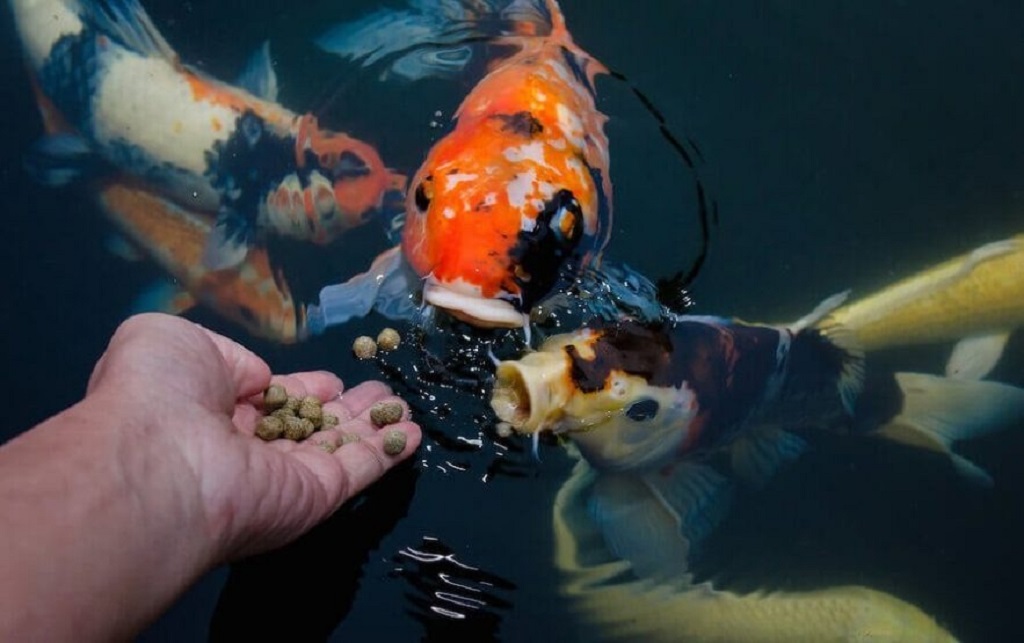
Tropical aquarium fish are a spectacular addition to any home, adding color and life to any environment. However, the key to their health and longevity lies deeply rooted in their diet. Understanding the dietary needs of tropical aquarium fish is essential for both beginners and experienced aquarists who want to maintain thriving aquatic ecosystems. Poor nutrition can lead to diseases, stunted growth, and dull coloration, while the right diet promotes vibrant colors, active behavior, and long life.
Why Diet Matters More Than You Think
Fish nutrition is often overlooked by hobbyists who assume commercial fish food suffices. However, tropical aquarium fish come from diverse ecosystems with distinct dietary habits. Some are omnivores, others herbivores or carnivores. For example, a neon tetra thrives on a diet rich in small live or frozen foods, reflecting its natural consumption of tiny invertebrates and algae. In contrast, plecos mainly consume plant matter and algae. Feeding an herbivore too much protein-rich food can cause health issues such as fatty liver disease. According to a study by the Journal of Aquatic Animal Health, dietary imbalances in tropical fish correlate with a 30% higher mortality rate in captivity.
Types of Food and Their Importance

The foundation of a tropical aquarium fish’s diet includes several categories: flakes, pellets, live foods, frozen foods, and vegetables. Each type serves a different purpose, and understanding these nuances leads to healthier fish.
- Flakes and Pellets: These are convenient and formulated for general nutritional needs. However, they may lack the variety fish require. Experts recommend supplementing flakes with other foods to avoid nutrient deficiencies.
- Live Foods: Brine shrimp, daphnia, and bloodworms mimic natural feeding habits and encourage natural hunting behavior. Still, they should be used cautiously as they can introduce parasites.
- Frozen Foods: Offering similar benefits to live foods without the risk of disease, frozen foods retain nutrients well when stored correctly.
- Vegetables: Leafy greens, zucchini, and peas help herbivorous fish maintain their digestive health and provide fiber often missing in processed foods.
Research from the Aquatic Nutrition journal shows that tropical fish fed a mixed diet perform better in immune response tests and exhibit enhanced coloration.
Feeding Frequency and Quantity: The Fine Balance
Overfeeding is the most common mistake. Fish do not need to be stuffed; rather, they require portion control. A good rule is to feed tropical fish only as much as they can consume in 2-3 minutes, once or twice daily. Overfeeding can pollute water, causing spikes in ammonia levels, which harm fish. Additionally, uneaten food promotes bacterial growth.
The logical approach involves matching the fish’s size, activity level, and species-specific metabolic rates. For example, fast-swimming species like danios may need more frequent feeding than sedentary bottom-dwellers such as catfish. Aquarists should observe feeding behavior and adjust accordingly to avoid both underfeeding and overfeeding.
The Role of Water Quality and Diet
Water quality and diet are intertwined. Nutrient-rich food increases fish metabolism, producing more waste. This waste affects the aquarium’s nitrogen cycle, impacting overall water quality. Therefore, a balanced diet combined with regular water changes creates a sustainable environment. Filtration systems must be capable of handling waste from feeding routines. Otherwise, even a perfectly balanced diet cannot prevent health issues.
Specialized Diets for Special Species
Some tropical fish have very specialized diets that need attention. For example, discus fish require high-protein diets, often based on bloodworms and beef heart, due to their fast growth and metabolism. On the other hand, fish like mollies thrive on a diet rich in vegetable matter and can suffer from constipation if fed solely animal proteins. Understanding these species-specific needs separates successful aquarists from frustrated ones.
Opinions and Controversies
There is an ongoing debate among aquarists regarding commercial fish food versus natural diets. Some argue that exclusively natural diets ensure the best health outcomes because they closely mimic wild conditions. However, others emphasize the convenience and complete nutrition provided by high-quality commercial foods. The truth likely lies in balance. Combining high-grade commercial pellets with occasional live or frozen foods seems the most logical and effective approach for most tropical fish.
Additionally, opinions differ on feeding supplements like vitamins or color-enhancing additives. While some hobbyists swear by them for boosting fish colors, scientific evidence is limited. Experts from the American Fisheries Society suggest these supplements should be used sparingly and with caution to avoid overdosing fish.
Professional Tips for Aquarium Fish Nutrition
- Gradually introduce new foods to prevent digestive upset.
- Observe fish during feeding to identify species-specific preferences.
- Store live and frozen foods properly to retain nutritional value.
- Avoid foods high in fillers or artificial ingredients.
- Use a timer feeder for consistent feeding schedules in busy households.
Featured Snippet: What Are the Essential Dietary Needs of Tropical Aquarium Fish?
Tropical aquarium fish require a balanced diet tailored to their species, incorporating proteins, fats, carbohydrates, vitamins, and minerals. Omnivorous species thrive on a mix of flakes, live, and vegetable foods, while herbivores need plant matter-rich diets. Feeding frequency should align with the fish’s metabolism, avoiding overfeeding to maintain water quality. Experts recommend a combination of high-quality commercial foods supplemented with live or frozen options for optimal health and vibrant coloration. Regular monitoring of fish behavior and health ensures dietary needs are met.
FAQs
How often should I feed tropical aquarium fish?
Feed once or twice daily, providing only what they consume in 2-3 minutes.
Can tropical fish survive on flakes alone?
While flakes provide basic nutrition, a mixed diet enhances health and longevity.
Are live foods necessary for tropical fish?
Not always, but live foods promote natural behaviors and add nutritional variety.
What vegetables are safe for tropical fish?
Zucchini, peas, spinach, and lettuce are commonly safe and nutritious.
How do I prevent overfeeding?
Feed small portions and remove uneaten food promptly.
Should I use vitamin supplements?
Only if recommended by a vet or fish nutritionist; overuse can harm fish.
Does diet affect fish color?
Yes, proper nutrition enhances natural coloration significantly.
Read More Also: How to Build a Deck Railing
Final Thought
Understanding the dietary needs of tropical aquarium fish is fundamental to creating a thriving and beautiful aquatic environment. By tailoring food types, feeding schedules, and quantities to species-specific needs, aquarists can prevent common health issues and promote vibrant, active fish. The key lies in balance and observation, combining trusted commercial products with natural food sources. Investing time in diet management pays off with healthier fish and a more enjoyable aquarium experience.