
Launching a rental business in Jacksonville offers immense potential, but the process from forming an LLC to listing your first property requires strategic planning. Jacksonville, Florida, is the 12th most populous city in the U.S., with a booming real estate market driven by population growth and economic development. This guide walks you through each essential step, offering real-world insights and data-backed strategies.
Why Jacksonville Is a Hotspot for Rental Investments
Jacksonville’s housing market has been surging, with a 7.2% year-over-year increase in median home prices in 2024, according to Redfin. With a growing metro population nearing 1.7 million, rental demand continues to rise. The city attracts young professionals, military families (due to Naval Station Mayport), and remote workers.
Additionally, Florida’s tax-friendly environment—with no state income tax—makes Jacksonville even more appealing for real estate entrepreneurs. Investors are seizing opportunities in single-family homes, duplexes, and short-term vacation rentals.
Step 1: Forming Your LLC – The Smart Start
Forming an LLC (Limited Liability Company) is your first legal step. An LLC protects your personal assets from lawsuits or business liabilities. It also adds professionalism and helps open business accounts or secure financing.
In Florida, the LLC filing fee is $125, and you can apply through the Sunbiz website. The process takes under an hour and includes:
- Choosing a unique business name
- Designating a registered agent
- Filing Articles of Organization
- Creating an Operating Agreement
- Obtaining an EIN from the IRS
Though it’s possible to do this yourself, hiring a business attorney or using services like LegalZoom ensures you don’t miss vital steps. Expert opinion leans toward professional help for first-timers to avoid costly mistakes.
Step 2: Business Banking and Financial Setup
After forming your LLC, open a business checking account. Keeping personal and business finances separate maintains liability protection and simplifies taxes. Choose a bank that offers features like mobile deposits, rent collection integrations, and low monthly fees.
Also, consider accounting software like QuickBooks or property management tools like Buildium or Avail to track income, expenses, and tenant communications.
According to Investopedia, well-organized financial systems increase investor trust and help secure better loan terms.

Step 3: Understanding Jacksonville Zoning and Licensing
Jacksonville has zoning laws that impact how you rent your property—especially for short-term rentals. Residential zones often restrict vacation rentals to prevent noise or traffic disruptions.
Before buying, check zoning via the Jacksonville Planning and Development Department. You may need:
- A Certificate of Use
- A Local Business Tax Receipt
- Permits for remodeling or signage
Ignoring zoning rules can result in hefty fines or forced shutdowns. Therefore, research and compliance are critical before listing your property.
Step 4: Choose the Right Property and Market Niche
Your property choice should reflect your rental strategy. Jacksonville’s diverse neighborhoods offer different opportunities:
- Riverside/Avondale: Ideal for short-term Airbnb-style rentals
- Southside/Baymeadows: Perfect for long-term tenants and corporate leases
- Arlington or Northside: Lower upfront costs and higher cap rates
Analyze local data from sources like Zillow or Rentometer. Look at rent-to-value ratios, job growth, school ratings, and neighborhood crime rates.
Many successful landlords emphasize starting with one well-located property and mastering your niche before expanding.
Step 5: Renovate for ROI
First impressions are everything. Renovate with tenants in mind—not personal taste. Prioritize updates that increase rent or occupancy rates:
- Modern kitchens and bathrooms
- Smart locks and thermostats
- Energy-efficient appliances
- Durable flooring like LVP
The National Association of Realtors reports that kitchen upgrades yield up to 80% ROI in rentals. Avoid over-improvement that doesn’t add rental value.
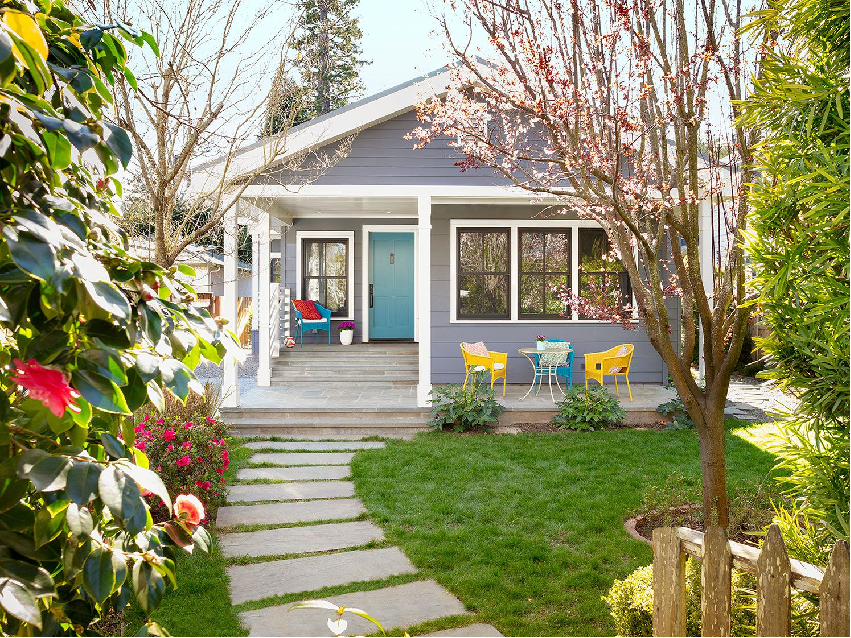
Additionally, good curb appeal can reduce vacancy time by 30%, making minor landscaping well worth the investment. Discover How Do Realtors Get Paid for Apartment Rentals?
Step 6: Crafting Irresistible Listings
This is where strategy meets creativity. Listings should highlight value, location, and amenities. Use professional photos and write compelling descriptions with emotional triggers.
Platforms like Zillow, Apartments.com, or Airbnb dominate Jacksonville’s rental space. Consider hiring a professional photographer and copywriter for maximum impact.
Here’s what a high-converting listing includes:
- Headline with benefits (“Pet-Friendly 2BR Near Mayo Clinic!”)
- Clear monthly rent or nightly rate
- Details on included utilities, parking, or security features
- Call to action (“Schedule a showing today!”)
Rental listings that use high-resolution images receive 60% more inquiries, according to Zillow’s 2024 insights.
Step 7: Marketing and Tenant Screening
Don’t rely on one platform. Post on multiple sites and tap into local Facebook groups, Craigslist, and referral networks. Use keywords like “Jacksonville rental near downtown” or “pet-friendly home in Riverside.”
Once inquiries start rolling in, screen tenants thoroughly. Use services like TransUnion’s SmartMove to check:
- Credit reports
- Eviction history
- Income verification
- Criminal background
Bad tenants can cost thousands in legal fees or property damage. Trust your gut, but verify every claim with documentation.
FAQs
Do I need a license to start a rental business in Jacksonville?
Yes. A local business tax receipt is required, along with proper zoning approval and, in some cases, state-level licenses.
How much does it cost to start a rental business in Jacksonville?
Initial costs range from $5,000–$20,000 depending on the property, legal fees, renovations, and marketing.
Should I manage the property myself or hire a manager?
If you’re local and experienced, DIY management saves money. Otherwise, a property manager typically charges 8–10% of monthly rent.
Is Jacksonville good for Airbnb or short-term rentals?
Yes, especially near beaches and downtown. But zoning laws apply. Always verify before launching short-term rental operations.
What types of properties perform best in Jacksonville?
Single-family homes near hospitals, business hubs, or universities attract stable tenants and higher rent-to-cost ratios.
How do I handle property maintenance remotely?
Hire a reliable handyman or maintenance team and use property management apps for 24/7 coordination.
Can I get financing as a new rental business owner?
Yes. FHA, conventional, and DSCR loans are available. Good credit and a solid business plan help secure financing.
Final Thought
The Jacksonville Rental Business Startup Guide: From LLC to Listings isn’t just a checklist—it’s a roadmap to building long-term wealth. From selecting the right property to understanding local laws, every step impacts your bottom line.
Success in Jacksonville’s rental market isn’t about luck. It’s about preparation, strategy, and persistence. As housing demand rises and regulations evolve, investors who start right and scale smart will thrive in 2025 and beyond.
Don’t wait for the market to cool. Jacksonville is growing—position yourself to grow with it.