
Understanding Post-Alignment Steering Issues in Your Honda Accord
You just left the auto shop after getting a tire alignment on your Honda Accord. However, something feels off. The steering wheel seems different, or perhaps your vehicle is pulling slightly to one side. Many Honda owners experience this issue, and the solution might surprise you. According to experts at Local Motor Homes, modern vehicles equipped with advanced driver assistance systems require additional calibration steps that many drivers don’t know about.
After a tire alignment, your Honda Accord’s steering might feel unusual due to several factors. These range from simple adjustments your hands need to get used to, to more technical issues involving your vehicle’s safety systems. Additionally, newer Honda Accord models come with sophisticated cameras and sensors that monitor your driving. When mechanics adjust your wheel angles during alignment, these systems can lose their reference points.
The most common reason for strange steering behavior after alignment involves ADAS recalibration required after tyre alignment Honda vehicles. ADAS stands for Advanced Driver Assistance Systems, which include features like lane keeping assist, adaptive cruise control, and collision warning. These systems rely on precise calibration to function correctly. Therefore, when your wheels are repositioned, the sensors need recalibration to match the new alignment settings.
Why Does Steering Feel Different After Alignment?
Your Honda Accord’s steering system works in harmony with multiple components. When alignment technicians adjust camber, caster, or toe angles, they change how your wheels contact the road. Consequently, this affects steering feel and response. Your hands might notice the wheel sits at a slightly different angle, or the car tracks differently on the highway.
Sometimes, the weird feeling comes from correcting a problem you had grown accustomed to. If your vehicle was pulling left for months, you unconsciously compensated by holding the wheel slightly right. After alignment fixes this issue, the centered steering position feels foreign at first. Your muscle memory expects to make corrections that are no longer necessary.
However, not all post-alignment steering issues are normal. If your Honda Accord pulls strongly in one direction, vibrates excessively, or the steering wheel remains crooked while driving straight, something went wrong. These symptoms indicate the alignment wasn’t completed properly, or other components need attention.
The Critical Role of ADAS Calibration
Modern Honda Accord models from 2018 onwards typically feature Honda Sensing technology. This suite includes cameras mounted behind your windshield and radar sensors in the front bumper. These components constantly monitor road lines, traffic, and obstacles. When your tire alignment changes wheel angles, it shifts where these cameras and sensors point.
Without proper recalibration, your ADAS features may malfunction. Lane departure warnings might activate unnecessarily, or worse, fail to alert you when needed. Adaptive cruise control could maintain incorrect following distances. According to the National Highway Traffic Safety Administration, improperly calibrated ADAS systems compromise vehicle safety significantly.
The recalibration process involves specialized equipment that many standard tire shops don’t possess. Technicians use targets and patterns placed at specific distances from your vehicle. The system then relearns its reference points based on the new wheel alignment. This process typically takes 30 minutes to an hour, depending on how many systems require calibration.
Common Symptoms of Uncalibrated ADAS Systems
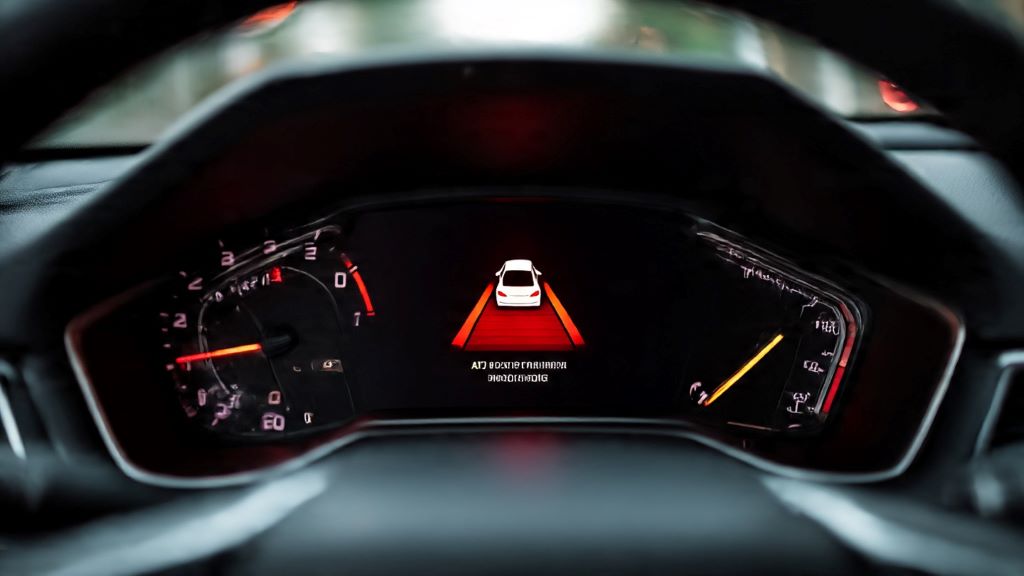
You might notice several warning signs that your Honda Accord needs ADAS recalibration after alignment. Dashboard warning lights are the most obvious indicator. Many Honda vehicles display a camera icon or ADAS warning when systems detect calibration issues. Don’t ignore these warnings, as they indicate your safety features aren’t operating correctly.
Another symptom involves erratic behavior from driver assistance features. Your lane keeping assist might ping-pong between lane lines instead of providing smooth corrections. Alternatively, the system might disengage frequently on straight roads where it should work perfectly. These behaviors suggest the camera doesn’t understand where lane markings are relative to your vehicle’s position.
Collision warning systems might also act strangely. False alerts for vehicles that aren’t actually close indicate sensor misalignment. Conversely, delayed warnings or no warnings when obstacles approach signal calibration problems. Both scenarios create dangerous driving conditions.
What Happens During ADAS Recalibration?
Professional ADAS recalibration follows manufacturer-specific procedures. For Honda Accord vehicles, technicians first ensure your tire alignment meets exact specifications. Even slight deviations can prevent successful calibration. Next, they position your vehicle on a level surface at a precise distance from calibration targets.
These targets contain specific patterns that cameras must recognize. The technician connects diagnostic equipment to your vehicle’s computer system and initiates the calibration sequence. The system then adjusts its understanding of where the vehicle sits relative to the road and surrounding objects. Throughout this process, measurements must be exact. Even a few millimeters of error can cause calibration failure.
Some Honda models require static calibration, which happens while parked. Others need dynamic calibration, where you drive the vehicle under specific conditions. Many Accord models need both types. The diagnostic system guides technicians through each step, verifying successful completion before finishing.
Choosing the Right Service Provider
Not every auto shop can perform ADAS recalibration. Standard tire shops might handle basic alignments but lack equipment for sensor calibration. Therefore, research service providers carefully before scheduling your appointment. Honda dealerships always have the necessary tools and training, though they typically charge premium prices.
Many independent shops now invest in ADAS calibration equipment as more vehicles require these services. Look for shops advertising ADAS calibration specifically. Call ahead and ask what equipment they use and which Honda models they service. Reputable shops will discuss their capabilities openly and honestly.
Price varies significantly based on location and provider. Dealerships might charge between 150 and 300 dollars for recalibration. Independent shops often offer competitive rates between 100 and 200 dollars. However, prioritize quality over cost when dealing with safety systems. Improper calibration creates hazards that far exceed any savings.
Preventing Future Steering Issues
Regular maintenance helps prevent steering problems after alignments. Check your tire pressure monthly, as uneven pressure causes handling issues that alignment can’t fix. Inspect tires for uneven wear patterns, which indicate suspension or alignment problems developing. Additionally, rotate tires according to your owner’s manual recommendations.
Pay attention to how your Honda Accord drives between alignments. Does the steering wheel gradually drift off-center? Does the vehicle pull more strongly in one direction over time? These signs suggest alignment is shifting, possibly due to worn suspension components. Addressing these issues promptly prevents more expensive repairs later.
When you schedule alignment services, specifically ask about ADAS recalibration. Confirm whether the shop includes this service or charges separately. Get written estimates covering both procedures before authorizing work. This prevents surprise charges and ensures your vehicle receives complete service.
The Cost of Skipping ADAS Recalibration
Some drivers skip ADAS recalibration to save money, but this decision carries serious risks. Your Honda Accord’s safety systems provide critical protection in emergencies. When these systems function incorrectly due to poor calibration, they might fail exactly when you need them most. The money saved on recalibration pales compared to potential accident costs.
Insurance implications also deserve consideration. If uncalibrated ADAS systems contribute to an accident, insurance companies might reduce coverage or deny claims. Furthermore, vehicle resale value suffers when safety systems don’t work properly. Buyers increasingly prioritize vehicles with functional driver assistance features.
Legal liability presents another concern. Some jurisdictions hold vehicle owners responsible for maintaining safety equipment. If defective ADAS contributes to an accident injuring others, you could face significant liability. Proper maintenance and calibration demonstrate responsible vehicle ownership.
Understanding Honda Sensing Technology
Honda Sensing packages vary across Accord model years and trim levels. Base models might include only basic features, while higher trims offer comprehensive systems. Familiarize yourself with exactly which features your vehicle has. This knowledge helps you recognize when systems aren’t working correctly.
The main camera behind your windshield handles most visual recognition tasks. It identifies lane markings, traffic signs, pedestrians, and other vehicles. Meanwhile, radar sensors in the front bumper measure distances to objects ahead. These systems work together, providing redundant safety measures.
Some newer Accord models add additional sensors and cameras for blind spot monitoring and rear cross-traffic alerts. Each sensor requires specific calibration procedures. Comprehensive service ensures all systems function harmoniously together.
Conclusion
When your Honda Accord steering feels weird after alignment, ADAS recalibration often provides the solution. Modern vehicles depend on precisely calibrated sensors and cameras for safety features to work correctly. Therefore, alignment services must include recalibration steps to maintain these systems. Don’t ignore warning lights or unusual behavior from driver assistance features.
Choose service providers carefully, ensuring they possess proper equipment and training for your specific Honda model. While recalibration adds cost to alignment services, it protects your safety and vehicle value. Regular maintenance and prompt attention to steering issues prevent more serious problems from developing. Your Honda Accord’s advanced technology enhances driving safety, but only when properly maintained and calibrated.
Frequently Asked Questions
How much does ADAS recalibration cost for a Honda Accord?
ADAS recalibration typically costs between 100 and 300 dollars, depending on your service provider and location. Dealerships charge higher rates but guarantee proper equipment. Independent shops often offer competitive pricing. The cost includes both static and dynamic calibration procedures required for Honda Sensing systems.
Can I drive my Honda Accord without ADAS recalibration after alignment?
You can drive your vehicle, but safety systems may not function correctly. Lane keeping assist, adaptive cruise control, and collision warnings might malfunction or disengage. This significantly reduces your vehicle’s safety capabilities. Therefore, schedule recalibration as soon as possible after alignment services.
How long does ADAS recalibration take?
Most ADAS recalibration procedures take 30 minutes to one hour. Complex systems requiring both static and dynamic calibration might need additional time. Your service provider should give you accurate time estimates based on your specific Honda Accord model and trim level.
Will my Honda display a warning if ADAS needs recalibration?
Yes, most Honda Accord models display dashboard warning lights when ADAS systems detect calibration issues. You might see a camera icon, amber warning light, or specific system alerts. However, some calibration problems don’t trigger warnings immediately. Don’t wait for warnings to appear before scheduling recalibration after alignment.
Does regular tire rotation require ADAS recalibration?
No, simple tire rotation doesn’t change wheel alignment angles, so ADAS recalibration isn’t necessary. However, if you notice steering changes or warning lights after any service, have your systems checked. Some shops perform alignment adjustments during rotation without informing customers, which would then require recalibration.
Related Topics:
How Often Should You Wash Your Car? A Deep Dive (and a Few Laughs Along the Way)
What Cars Have Sport Mode? Buckle Up, Buttercup!