
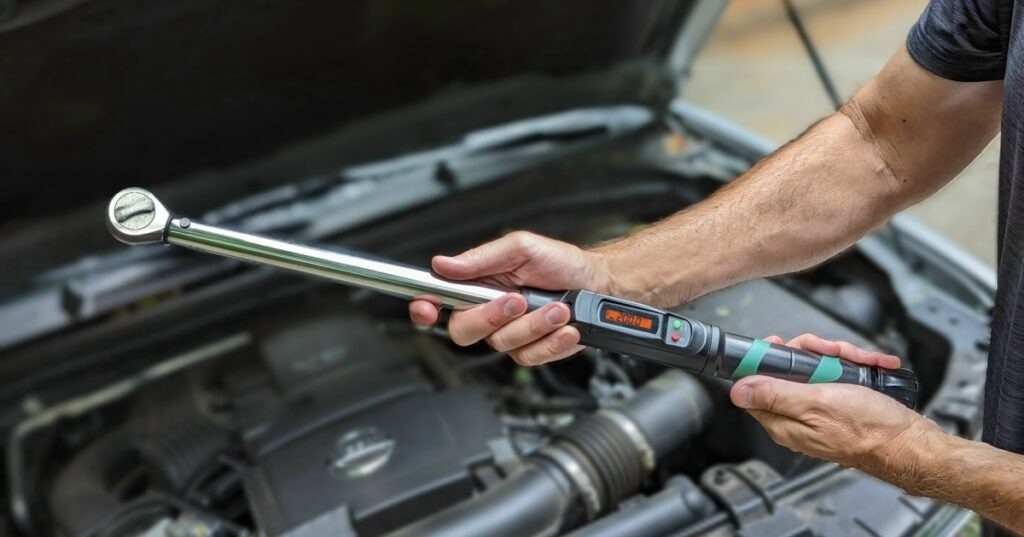
Achieving accuracy in car repairs begins with understanding the importance of torque wrenches. These specialized tools ensure bolts are tightened to exact specifications, safeguarding your vehicle’s performance and safety. Whether you’re a professional mechanic or a DIY enthusiast, mastering the proper use of a torque wrench is critical for precision. Explore Vehicletradeus for more tools and tips on enhancing your car repair skills.
What is a Torque Wrench, and Why Does it Matter?

A torque wrench is a precision tool designed to apply a specific amount of force to fasteners like bolts and nuts. Unlike standard wrenches, torque wrenches allow for controlled tightening to manufacturer-recommended specifications, preventing over-tightening or under-tightening. Improper torque application can lead to stripped threads, damaged components, or even catastrophic vehicle failure.
Modern vehicles are built with intricate engineering, where even a slight deviation in torque can compromise safety or efficiency. According to a 2022 study by the Society of Automotive Engineers, nearly 45% of car repairs involving fasteners fail due to improper torque application.
Why Precision Matters in Car Repairs
Precision ensures the longevity and safety of your vehicle. Components like wheels, engine parts, and suspension systems rely on accurate torque for optimal function. Over-tightening a bolt can weaken it, while under-tightening can cause parts to come loose, leading to accidents or costly repairs. For instance, when securing a car’s wheel lugs, following exact torque specifications prevents uneven wear and enhances stability.
How to Choose the Right Torque Wrench for Your Needs
Choosing the correct torque wrench depends on your specific tasks. Here are the common types:
- Click-Type Torque Wrench: Offers an audible “click” when the set torque is reached, ideal for most automotive repairs.
- Beam Torque Wrench: A simple and affordable option but less precise.
- Digital Torque Wrench: Features a digital display for enhanced accuracy, often used in professional settings.
When selecting a torque wrench, ensure its range covers the torque values for your car’s components. Check your vehicle’s repair manual for specifications.
Preparing to Use a Torque Wrench
Before starting any repair, familiarize yourself with the torque wrench’s settings and instructions. Follow these steps:
- Clean and Inspect Fasteners: Remove dirt, grease, and debris for accurate readings.
- Set the Torque Value: Adjust the wrench to the required torque setting based on the manufacturer’s guidelines.
- Choose the Correct Socket: Ensure it fits snugly over the bolt or nut to avoid slipping.
How to Properly Tighten Bolts Using a Torque Wrench
Achieving precise torque application involves a methodical approach:
- Apply Gradual Pressure: Tighten bolts incrementally in a star pattern to distribute pressure evenly.
- Listen or Watch for Indicators: For click-type wrenches, stop tightening once you hear the “click.” For digital ones, monitor the display for the set value.
- Avoid Over-Torquing: Excessive force after reaching the desired torque can damage components.
While focusing on torque wrench applications, ensure every component meets safety standards. For example, using high-quality tyres is vital. When considering used tyres safe, inspect them for tread depth, sidewall integrity, and wear patterns. Faulty tyres can negate the benefits of accurate torque application by compromising road grip and stability.
Common Mistakes to Avoid When Using Torque Wrenches
- Skipping Calibration: A miscalibrated wrench produces inaccurate readings. Calibrate the tool annually or as recommended.
- Using the Wrong Torque Range: Operating outside the specified range can damage the wrench or components.
- Ignoring the Manufacturer’s Guidelines: Always follow your car’s repair manual for torque specifications.
Read More Also: A and R BBQ Hickory Hill: A Memphis Barbecue Institution
Maintaining and Storing Your Torque Wrench
Proper maintenance extends your tool’s lifespan:
- Clean After Each Use: Wipe away oil or debris with a soft cloth.
- Store Correctly: Keep the wrench in a protective case to prevent damage.
- Release Tension: Reset the torque setting to the lowest value before storing to preserve the spring mechanism.
Benefits of Using a Torque Wrench for Precise Repairs
Torque wrenches offer numerous advantages, including:
- Enhanced Safety: Properly secured fasteners reduce the risk of accidents.
- Cost Savings: Prevents damage to components, reducing repair costs.
- Improved Performance: Ensures optimal vehicle operation by adhering to precise specifications.
When Should You Re-Calibrate Your Torque Wrench?
Regular recalibration ensures accuracy and reliability. Recalibrate after:
- Every 5,000 Uses: General guideline for routine maintenance.
- Exposure to Extreme Conditions: Such as drops or excessive force.
- Prolonged Storage: Especially if unused for an extended period.
FAQs
What is the best torque wrench for beginners?
Click-type torque wrenches are ideal for beginners due to their simplicity and audible feedback.
Can you over-tighten with a torque wrench?
Yes, applying excessive force after reaching the set torque can lead to over-tightening.
How do I know the correct torque for my car?
Refer to your vehicle’s repair manual or consult a trusted mechanic.
Why is it essential to recalibrate a torque wrench?
Recalibration ensures the tool delivers accurate torque readings, maintaining safety and performance.
Can I use a torque wrench for loosening bolts?
Torque wrenches are designed for tightening. Using them for loosening can damage the mechanism.
How often should I replace my torque wrench?
Replace your torque wrench if it shows signs of wear or fails calibration tests consistently.
Conclusion
Mastering the proper use of torque wrenches ensures precision, safety, and efficiency in car repairs. From selecting the right wrench to avoiding common mistakes, these tools are indispensable for achieving professional-quality results.