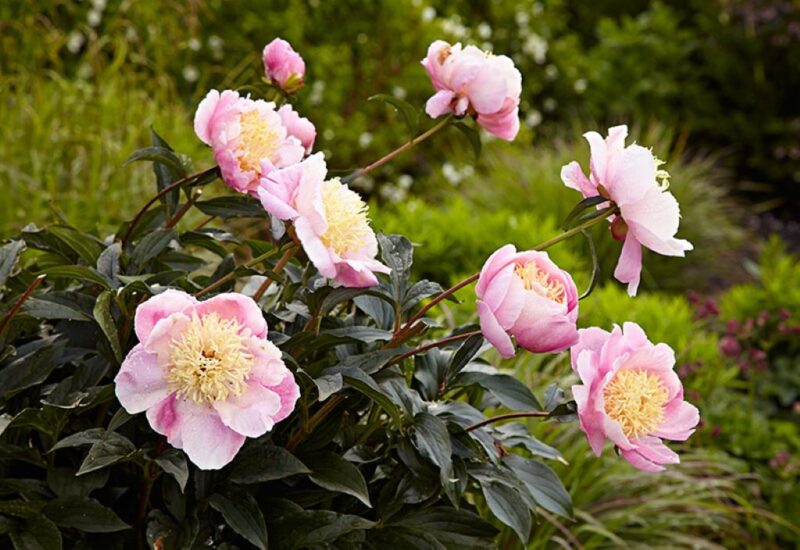

Passion flowers, with their vibrant colors and intricate designs, are a stunning addition to any garden. These exotic blooms, known scientifically as Passiflora, are not only visually striking but also produce delicious fruit in many species. However, achieving successful pollination can be challenging due to their unique floral structure and reliance on specific pollinators like bees or butterflies. For gardeners looking to boost fruit production or ensure seed development, hand-pollination is a valuable technique. This guide from Be Gardenly explores the art and science of hand-pollinating passion flowers, offering practical steps and tips to maximize success.
Why Hand-Pollinate Passion Flowers?
Passion flowers have a complex reproductive system, with some species requiring cross-pollination between different plants to produce fruit. In areas with limited pollinator activity or when growing passion flowers indoors, natural pollination may not occur. Hand-pollination ensures that pollen is transferred effectively, increasing the chances of fruit or seed production. Additionally, for those cultivating rare or hybrid varieties, hand-pollination allows precise control over the pollination process, preserving desired traits. For example, if you’re wondering about maintaining other flowering plants, such as whether should you deadhead veronica, similar attention to detail can enhance plant health and bloom quality.
Understanding Passion Flower Anatomy
Before diving into hand-pollination, it’s essential to understand the unique anatomy of passion flowers. The flower consists of several key parts:
- Corona: A ring of thread-like structures that attract pollinators.
- Stigma: The female part where pollen must land for fertilization.
- Anthers: The male parts that produce pollen.
- Ovary: Located at the center, this develops into fruit after successful pollination.
The stigma is elevated above the anthers, which prevents self-pollination in many species. This structure makes hand-pollination particularly useful, as it mimics the role of natural pollinators like bees, which transfer pollen from the anthers of one flower to the stigma of another.
When to Hand-Pollinate Passion Flowers
Timing is critical for successful hand-pollination. Passion flowers typically open in the morning and remain receptive to pollen for a short window, often just a few hours. Therefore, early morning is the best time to perform hand-pollination, when the flowers are fresh and pollen is most viable. Check the weather as well; dry, calm conditions are ideal, as rain or high humidity can reduce pollen effectiveness. Additionally, ensure the plant is healthy and free from pests, as stress can hinder fruit development.
Tools Needed for Hand-Pollination
Hand-pollinating passion flowers requires minimal tools, most of which are readily available:
- Small paintbrush or cotton swab: For collecting and transferring pollen.
- Magnifying glass: To closely inspect the flower’s reproductive parts.
- Gloves (optional): To avoid skin irritation from handling certain passion flower species.
- Labels or markers: To track pollinated flowers for monitoring.
Using clean tools is crucial to prevent contamination or the spread of disease between plants. For instance, sterilize your brush or swab with rubbing alcohol before starting.

Step-by-Step Guide to Hand-Pollinating Passion Flowers
Follow these steps to hand-pollinate your passion flowers effectively:
- Identify Compatible Flowers: If your passion flower species requires cross-pollination, select flowers from two different plants. For self-pollinating varieties, you can use flowers from the same plant. Ensure the flowers are fully open and the stigma appears sticky, indicating receptivity.
- Collect Pollen: Gently brush the anthers with a small paintbrush or cotton swab to collect the yellow pollen grains. You should see a fine powder on your tool. Be careful not to damage the anthers during this process.
- Transfer Pollen: Carefully apply the collected pollen to the stigma of the target flower. Ensure good contact, as the pollen must adhere to the stigma for fertilization to occur. A magnifying glass can help confirm accurate placement.
- Mark the Flower: Use a small tag or marker to label the pollinated flower. This helps you track which flowers were hand-pollinated, especially if you’re experimenting with multiple crosses.
- Monitor Progress: Over the next few days, observe the flower. Successful pollination often results in the ovary swelling as it begins to form fruit. If the flower wilts and drops without fruit development, the pollination may not have been successful.
Repeat this process for multiple flowers to increase your chances of success, especially if you’re new to hand-pollination.
Tips for Successful Hand-Pollination
To improve your results, consider these additional tips:
- Choose Healthy Plants: Weak or stressed plants are less likely to produce viable fruit, even with successful pollination. Ensure your passion flowers receive adequate water, nutrients, and sunlight.
- Practice Patience: Not every pollination attempt will succeed. Factors like pollen viability or environmental conditions can affect outcomes. Try again with fresh flowers if needed.
- Learn Your Species: Some passion flowers, like Passiflora edulis, are self-fertile, while others, like Passiflora caerulea, may require cross-pollination. Research your specific variety for best results. Resources like the Royal Horticultural Society provide detailed information on passion flower care.
- Encourage Natural Pollinators: While hand-pollination is effective, supporting bees and butterflies by planting pollinator-friendly flowers nearby can enhance natural pollination. The University of Florida’s Gardening Solutions offers insights into creating pollinator-friendly gardens.
Common Challenges and Solutions
Hand-pollination can come with challenges, but most are manageable with the right approach. For instance, if pollen fails to stick to the stigma, it may be too dry or not viable. In this case, try collecting pollen from a fresher flower or pollinating earlier in the day. Another issue is low fruit set, which could result from poor plant health or incompatible pollen. Ensure your plants are genetically diverse if cross-pollination is required. Finally, pests like aphids can interfere with flower health, so regular monitoring and organic pest control methods are recommended.
Benefits of Hand-Pollination
Hand-pollination offers several advantages beyond ensuring fruit production. It allows gardeners to experiment with creating new hybrids, combining desirable traits like flower color or fruit flavor. Moreover, it provides a deeper understanding of plant biology, fostering a stronger connection with your garden. For those growing passion fruit for culinary purposes, hand-pollination can significantly increase yield, making it a rewarding practice for both hobbyists and commercial growers.
Read Also:
Neem Oil and Chamomile Tea for Whiteflies on Tomato Seedlings
How to Improve the Exterior of Your Home
FAQs
How long does it take for a passion flower to produce fruit after hand-pollination?
Fruit development typically begins within a week if pollination is successful, with full maturity taking 6-12 weeks, depending on the species and growing conditions.
Can all passion flowers be hand-pollinated?
Most passion flowers can be hand-pollinated, but success depends on the species. Some require cross-pollination, while others are self-fertile. Check your plant’s specific needs.
What time of day is best for hand-pollinating passion flowers?
Early morning is ideal, as flowers are freshly opened, and pollen is most viable. Avoid pollinating in wet or humid conditions to ensure success.
Why are my hand-pollinated passion flowers not producing fruit?
Failure to produce fruit can result from incompatible pollen, poor plant health, or environmental factors like extreme heat or insufficient water. Ensure optimal growing conditions.
Do I need special tools for hand-pollinating passion flowers?
No, basic tools like a small paintbrush or cotton swab suffice. A magnifying glass can help with precision, but it’s not mandatory.
Conclusion
Hand-pollinating passion flowers is a rewarding technique that empowers gardeners to take control of their plants’ reproductive process. By understanding the flower’s anatomy, timing the process correctly, and using simple tools, you can increase fruit production or create exciting new hybrids. While challenges like low fruit set or pollen viability may arise, patience and practice will lead to success. Whether you’re a beginner or an experienced gardener, mastering hand-pollination opens up new possibilities for your passion flower garden, ensuring vibrant blooms and bountiful harvests.