
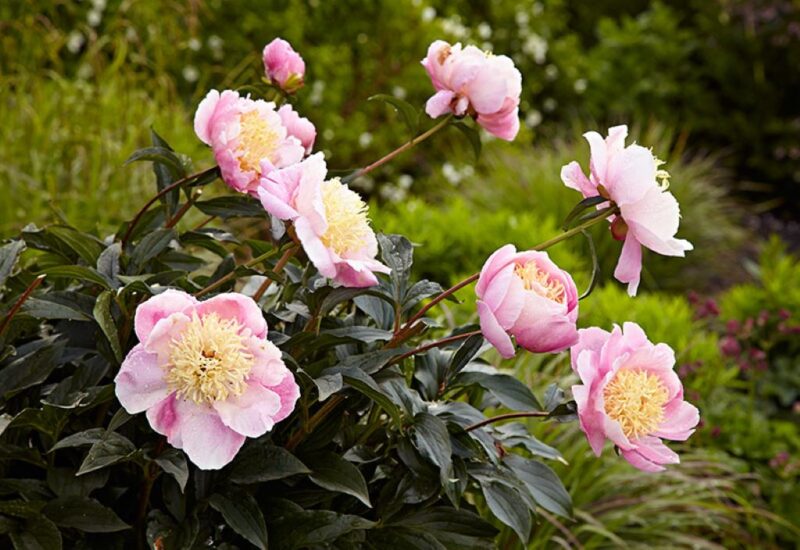
Peonies, with their opulent blooms and delightful fragrance, are a true jewel in any garden. While fall is the ideal time to plant peonies, spring planting is still possible with proper care and attention. In this guide, we’ll delve into the essential steps on how to plant peony roots in spring for a burst of stunning flowers in the years to come.
Understanding Peonies
Before we dive into planting, let’s understand the different types of peonies:
- Herbaceous Peonies: The most popular type, these die back to the ground in winter and re-emerge in spring.
- Tree Peonies: These peonies develop woody stems and don’t die back in winter.
- Itoh Peonies: A hybrid of herbaceous and tree peonies, offering the best of both worlds: gorgeous flowers and a sturdy structure.

Choosing the Right Time to Plant
In cooler climates, early spring, as soon as the ground thaws, is the perfect time to plant peony roots. If you live in a warmer region, it’s advisable to purchase pre-chilled roots from a reputable source to ensure they’ve had the necessary dormancy period for blooming.
Selecting Bare Root Peonies
For spring planting, bare-root peonies are the best choice. These are dormant roots sold without soil. Inspect the roots carefully:
- Healthy Appearance: Roots should be plump and firm, free of mold or soft spots.
- Visible Eyes: Look for at least 3-5 pink or red “eyes” (growth buds) on each root. These will develop into stems and flowers.
The Ideal Planting Location
Peonies love the sun and thrive in these conditions:
- Full Sun: Choose a spot that receives at least 6-8 hours of direct sunlight daily.
- Well-Draining Soil: Peonies despise soggy roots. Ensure your soil drains well. If it’s heavy clay, amend it with compost or grit.
- Good Air Circulation: Proper air circulation helps prevent fungal diseases. Avoid planting peonies too close to buildings or other plants.
Preparing the Soil
Peonies are long-lived, so prepare the soil well:
- Digging: Loosen the soil to a depth of 12-18 inches and a width of at least 18 inches.
- Amendments: Incorporate rich compost or well-rotted manure. This improves soil texture and provides nutrients.
- Bone Meal: Add a handful of bone meal to the bottom of the planting hole for a phosphorus boost, aiding in healthy root development and blooms.
Planting Your Peony Roots
Here’s the step-by-step process:
- Soaking: Before planting, soak bare root peonies in lukewarm water for a few hours to rehydrate them.
- Hole Depth: Dig a hole about 12-18 inches wide and deep enough so that the eyes will be 1-2 inches below the soil surface when planted.
- Root Placement: Position the root in the hole with the eyes facing upwards. Carefully spread out the roots.
- Backfilling: Backfill the hole with soil, gently firming it around the roots to remove air pockets.
- Watering: Water deeply and thoroughly right after planting.
Important Note: Planting depth is crucial for peonies. Too deep, and they may not bloom. Too shallow, and they could be susceptible to winter damage.
Post-Planting Care
- Mulching: Apply a layer of mulch around the plant, but not directly on top of the crown. This helps retain moisture, suppress weeds, and keep the roots cool.
- Watering: Keep the soil evenly moist but not soggy during the first growing season.
- Patience: Don’t expect an abundance of blooms in the first year. Peonies focus on establishing their roots initially. Blooms will increase in profusion in subsequent years.
Additional Tips for Success
- Support: Herbaceous peonies may need support as their flowers become heavy. Use peony rings or cages.
- Deadheading: Remove faded flowers to encourage continuous blooming and prevent seed formation.
- Avoid Moving: Once established, peonies resent being moved. Pick your planting location wisely.
Enjoying Your Peonies
With proper planting and care, your peonies will reward you with extravagant blooms for decades. Cut those gorgeous flowers and bring their beauty and fragrance indoors!
By following these guidelines, you’ll be well on your way to growing a stunning display of peonies, adding lasting beauty to your spring garden.