The relentless march of technological landscape progress continues, and as we peer into the near future of 2025, a fascinating tapestry of innovations begins to emerge. It’s a landscape sculpted by artificial intelligence, quantum computing, sustainable technologies, and a profound shift towards immersive digital experiences. This article delves deep into the anticipated technological advancements of 2025, exploring the top skills to acquire, the groundbreaking innovations on the horizon, and the overall tech forecast that will shape our lives.
The Dawn of Hyper-Personalized AI and Autonomous Ecosystems:

By 2025, artificial intelligence will transcend its current role as a tool, becoming an integral, almost sentient, component of our daily lives. We’ll witness the rise of hyper-personalized AI, capable of anticipating our needs and tailoring experiences with unprecedented accuracy. Imagine AI-powered personal assistants that not only manage schedules but also proactively suggest solutions to complex problems, anticipate emotional needs, and even craft personalized learning pathways. Furthermore, autonomous ecosystems will permeate various sectors, from transportation to manufacturing. Self-driving vehicles will achieve a new level of sophistication, navigating complex urban environments with enhanced safety and efficiency. Smart cities, powered by interconnected AI algorithms, will optimize resource allocation, manage traffic flow, and respond to emergencies in real-time. This interconnectedness will foster a seamless, responsive, and ultimately, more efficient world.
Quantum Computing’s Leap from Labs to Practical Applications:
While still in its nascent stages, quantum computing is poised to make significant strides by 2025. We’ll see a shift from theoretical research to practical applications in fields like drug discovery, materials science, and financial modeling. Quantum algorithms, capable of solving problems that are intractable for classical computers, will unlock new frontiers in understanding complex systems. For instance, quantum simulations will accelerate the development of novel pharmaceuticals, enabling the creation of personalized medicine tailored to individual genetic profiles. In materials science, quantum computing will facilitate the design of advanced materials with unprecedented properties, revolutionizing industries from aerospace to energy storage. The implications are profound, promising to reshape entire industries and address some of humanity’s most pressing challenges.
Sustainability Takes Center Stage: The Rise of Green Tech and Circular Economies:
The urgency of climate change will drive a surge in sustainable technologies by 2025. We’ll witness the widespread adoption of renewable energy sources, such as solar and wind power, coupled with advanced energy storage solutions. Smart grids, powered by AI, will optimize energy distribution and minimize waste. Circular economy principles will gain traction, emphasizing the reuse and recycling of materials to reduce environmental impact. Biomaterials, derived from renewable resources, will replace traditional plastics and other unsustainable materials. Furthermore, carbon capture and storage technologies will play a crucial role in mitigating greenhouse gas emissions. These advancements will not only address environmental concerns but also create new economic opportunities and drive innovation across various sectors.
The Metaverse and Immersive Experiences: Blurring the Lines Between Physical and Digital:
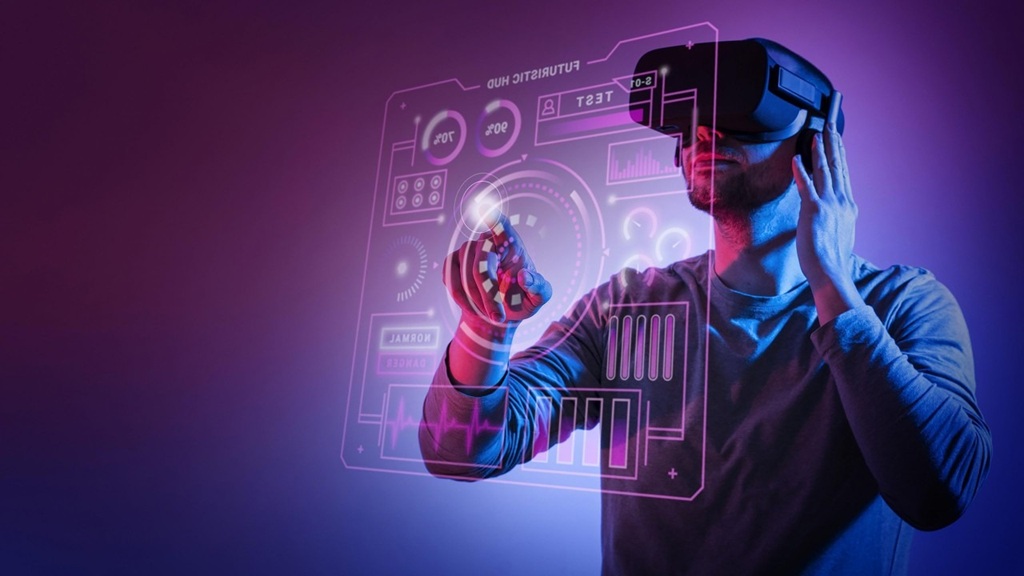
The metaverse, a persistent and shared virtual world, will evolve beyond its current hype to become a tangible reality by 2025. Enhanced virtual and augmented reality technologies will create immersive experiences that blur the lines between the physical and digital realms. We’ll see the rise of virtual workspaces, where remote teams can collaborate in shared virtual environments, fostering a sense of presence and connection. Virtual tourism will allow people to explore distant lands and historical sites without leaving their homes. Immersive entertainment experiences, powered by advanced haptics and neural interfaces, will provide unprecedented levels of realism and engagement. The implications for education, training, and communication are vast, promising to revolutionize how we learn, work, and interact with the world around us.
Biotechnology and Personalized Healthcare: A New Era of Wellness:
Biotechnology will revolutionize healthcare by 2025, ushering in an era of personalized medicine and preventative care. Advances in genomics, proteomics, and metabolomics will enable the development of targeted therapies tailored to individual genetic profiles. Wearable sensors and AI-powered diagnostic tools will provide real-time health monitoring, enabling early detection and prevention of diseases. Gene editing technologies, such as CRISPR, will offer new possibilities for treating genetic disorders and even reversing the aging process. Furthermore, personalized nutrition and lifestyle recommendations, based on individual genetic and metabolic data, will empower people to take control of their health and well-being. The focus will shift from treating symptoms to promoting holistic wellness and extending healthy lifespans.
The Top Technologies to Learn in 2025: A Skillset for the Future:
Navigating the technological landscape of 2025 requires a specific skillset that aligns with the emerging trends. Here are the top technologies to learn:
- Artificial Intelligence and Machine Learning: Mastering AI and ML concepts, algorithms, and frameworks is essential for developing intelligent systems and applications.
- Quantum Computing: Acquiring knowledge of quantum mechanics, quantum algorithms, and quantum programming languages will position you at the forefront of this transformative field.
- Cybersecurity: With the increasing reliance on digital technologies, cybersecurity skills are in high demand. Learn about network security, data encryption, and ethical hacking to protect sensitive information.
- Data Science and Analytics: Extracting insights from vast datasets is crucial for informed decision-making. Develop skills in data visualization, statistical analysis, and machine learning to become a data-driven professional.
- Cloud Computing: Cloud platforms provide the infrastructure for many modern applications. Learn about cloud services, architecture, and security to leverage the scalability and flexibility of cloud computing.
- Biotechnology and Bioinformatics: Understanding the principles of biology, genetics, and data analysis is essential for developing personalized healthcare solutions and advancing medical research.
- Sustainable Technologies: Acquiring knowledge of renewable energy, circular economy principles, and green building practices will enable you to contribute to a sustainable future.
- Extended Reality (XR) Development: Mastering VR, AR, and mixed reality technologies will allow you to create immersive experiences for various applications, from gaming to education.
- Robotics and Automation: Understanding robotics principles, programming, and AI integration will prepare you for the increasing automation of industries.
- Blockchain Technology: Blockchain’s potential extends beyond cryptocurrencies. Learn about smart contracts, decentralized applications, and supply chain management to leverage this transformative technology.
Discover More: Riding the Digital Wave: The Rise of High-Potential Startups in 2024 and Beyond
Innovations of 2025: A Glimpse into the Future:
- Neuromorphic Computing: Mimicking the human brain’s neural architecture, neuromorphic chips will enable AI systems to process information with greater efficiency and adaptability.
- Space-Based Solar Power: Harvesting solar energy from space and transmitting it to Earth will provide a clean and abundant source of power.
- Advanced Gene Editing for Disease Prevention: CRISPR and other gene editing technologies will be used to prevent and cure genetic diseases with unprecedented accuracy.
- Personalized AI Companions: AI companions will become more sophisticated, providing emotional support, personalized learning, and proactive assistance.
- Holographic Communication: Holographic displays and communication technologies will enable lifelike virtual interactions.
- Advanced Bio-Printing: 3D bioprinting will create functional organs and tissues for transplantation.
- Smart Dust: Microscopic sensors and actuators will be deployed to monitor environmental conditions and collect data in real-time.
- Liquid Batteries: advanced liquid batteries will allow for faster recharges and higher energy density.
- AI driven drug discovery: AI will be used to create new medicine at an accelerated rate.
- Fully autonomous drone delivery: Drones will be used for rapid delivery of packages.
Tech Forecast for 2025: A World Transformed:
The tech forecast for 2025 paints a picture of a world transformed by interconnected technologies, personalized experiences, and sustainable solutions. AI will permeate every aspect of our lives, from personal assistants to autonomous systems. Quantum computing will unlock new frontiers in scientific discovery and technological innovation. Sustainable technologies will drive a shift towards a greener and more equitable future. The metaverse and immersive experiences will blur the lines between the physical and digital realms. Biotechnology will revolutionize healthcare, enabling personalized medicine and preventative care. The key to navigating this rapidly evolving landscape lies in acquiring the right skillset and embracing lifelong learning.
Read More Also: Building a Pergola with a Metal Roof: A Step-by-Step Guide
People Also Ask (FAQs):
-
What are the biggest tech trends in 2025?
- The biggest trends include hyper-personalized AI, quantum computing applications, sustainable technologies, the metaverse, and biotechnology advancements.
-
What new technologies will change the world?
- Quantum computing, advanced AI, gene editing, and sustainable energy solutions are poised to significantly impact the world.
-
What jobs will be in demand in 2025?
- AI specialists, cybersecurity experts, data scientists, quantum computing engineers, and sustainable technology professionals will be in high demand.
-
How will technology impact our lives in 2025?
- Technology will create more personalized, efficient, and sustainable experiences, transforming how we work, learn, and interact with the world.
Conclusion:
The technological landscape of 2025 is brimming with potential, promising to reshape our lives in profound ways. By embracing lifelong learning, acquiring relevant skills, and staying abreast of emerging trends, we can navigate this exciting future and contribute to a world that is more intelligent, sustainable, and connected. The innovations on the horizon offer not only technological advancement, but also a chance to solve some of the world’s most pressing problems.