When browsing wine shelves or exploring vineyard offerings, you might encounter bottles of Zinfandel labeled “Gold Reserve.” This designation often sparks curiosity among wine enthusiasts and casual drinkers alike. The term suggests something special, but what exactly does it signify? Understanding this label can enhance your appreciation of California’s beloved red wine and help you make informed purchasing decisions. Many wineries, including Beresan Wines, use special designations to indicate their premium offerings, and “Gold Reserve” is among the most intriguing.
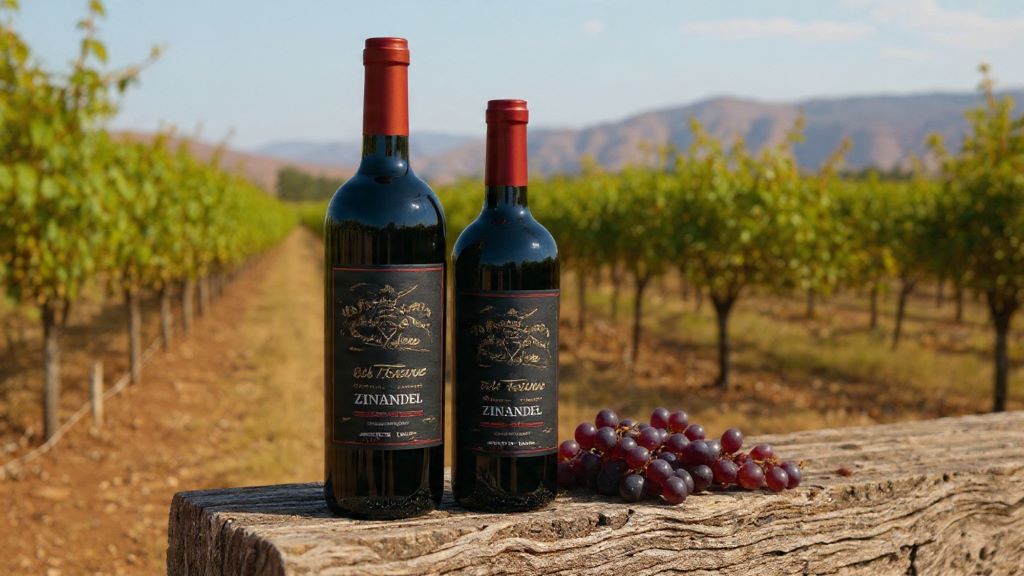
The “Gold Reserve” label on Zinfandel bottles typically indicates a premium selection that represents the winery’s highest quality offering within their Zinfandel portfolio. However, this designation is not regulated by any official wine authority, which means each winery defines it according to their own standards. Generally, it suggests the wine has undergone special selection processes, extended aging, or comes from the finest vineyard blocks. This makes gold zinfandel california wines particularly sought after by collectors and connoisseurs who appreciate the rich, bold characteristics that define this varietal.
Understanding the Gold Reserve Designation
Unlike legal wine terms such as “Reserve” in some European countries, the phrase “Gold Reserve” in American winemaking remains largely unregulated. Therefore, wineries have considerable freedom in applying this label to their products. Most producers, however, maintain high standards when using such prestigious designations to preserve their reputation and customer trust.
Typically, a Gold Reserve Zinfandel represents grapes selected from the best vineyard sites. These locations often feature ideal soil composition, optimal sun exposure, and mature vines that produce concentrated, flavorful fruit. Additionally, the winemaking process for Gold Reserve wines usually involves more careful handling and longer aging periods compared to standard releases.
What Makes Gold Reserve Zinfandel Special
Several factors contribute to the premium nature of Gold Reserve Zinfandel wines. First, the grape selection process is more rigorous. Winemakers often hand-select clusters from vines that consistently produce superior fruit. These vines are frequently older, sometimes 50 years or more, which naturally limits yield while intensifying flavor concentration.
Second, the aging process differs significantly. Gold Reserve Zinfandels often spend additional months or even years in oak barrels. This extended aging develops complexity, softens tannins, and integrates flavors more harmoniously. Many producers use a combination of American and French oak barrels to achieve desired flavor profiles.
Third, production quantities are typically limited. By designating only their finest lots as Gold Reserve, wineries create exclusivity that appeals to serious collectors. This scarcity often justifies higher price points and generates increased demand among enthusiasts.
The California Zinfandel Connection
California has long been recognized as the spiritual home of Zinfandel in America. The state’s diverse microclimates and varied terroir provide ideal conditions for this versatile grape. According to Wine Spectator, California accounts for approximately 75% of all Zinfandel plantings in the United States, with regions like Sonoma, Napa, and the Sierra Foothills producing exceptional examples.
The Gold Reserve designation became popular as California winemakers sought ways to differentiate their premium offerings in an increasingly competitive market. While Zinfandel already enjoys a strong reputation for bold flavors and food-friendly characteristics, the Gold Reserve label signals an elevated experience. These wines often showcase deeper fruit flavors, more complex spice notes, and greater aging potential than standard bottlings.
Flavor Profiles and Characteristics
Gold Reserve Zinfandels typically exhibit more concentrated flavors compared to regular releases. Expect robust notes of blackberry, raspberry, and dark cherry, often accompanied by hints of black pepper, clove, and vanilla. The extended oak aging contributes layers of complexity, including subtle tobacco, chocolate, and coffee undertones.
The alcohol content in Gold Reserve Zinfandels often ranges higher, sometimes reaching 15% or more. This results from riper grapes with elevated sugar levels at harvest. However, well-made examples balance this alcohol with sufficient acidity and fruit concentration, preventing the wine from tasting hot or unbalanced.
The tannin structure in these wines is usually more pronounced yet refined. Extended aging softens harsh tannins while maintaining enough structure to support the wine’s bold fruit character. This makes Gold Reserve Zinfandels excellent candidates for further cellaring, often improving over five to ten years.
Price Considerations and Value
Gold Reserve Zinfandels generally command higher prices than standard bottlings from the same winery. Price differences can range from $10 to $50 or more, depending on the producer’s reputation and the wine’s exclusivity. Nevertheless, these premium offerings often provide excellent value when compared to similarly priced wines from other varietals.
When evaluating whether a Gold Reserve Zinfandel justifies its premium, consider the winery’s overall reputation, vintage conditions, and professional reviews. Many Gold Reserve wines receive high scores from critics and represent exceptional quality relative to their cost. Furthermore, the limited production means these wines may appreciate in value over time, particularly from highly regarded producers.
Food Pairing Recommendations
The bold character of Gold Reserve Zinfandel makes it an excellent companion for hearty, flavorful dishes. Grilled or barbecued meats pair exceptionally well, as the wine’s fruit intensity and tannin structure complement smoky, charred flavors. Additionally, rich pasta dishes with tomato-based sauces create harmonious pairings.
Spicy cuisines also work wonderfully with Gold Reserve Zinfandel. The wine’s fruit-forward nature and slight sweetness can balance heat from dishes featuring chili peppers or strong spices. Moreover, aged cheeses like Gouda or sharp cheddar complement the wine’s complexity and create satisfying taste experiences.
How to Identify Authentic Quality
Since “Gold Reserve” is not a regulated term, discerning consumers should look beyond the label to assess quality. Research the winery’s reputation and read reviews from trusted critics. Professional ratings from publications like Wine Enthusiast or expert bloggers can provide valuable insights into whether a particular Gold Reserve offering lives up to its premium designation.
Examine the back label for information about vineyard sources, aging duration, and production methods. Reputable producers often provide detailed information that substantiates their premium claims. Additionally, consider purchasing from established wine regions known for quality Zinfandel production, as these areas maintain higher standards overall.
Conclusion
The “Gold Reserve” designation on Zinfandel bottles represents each winery’s interpretation of premium quality within their portfolio. While not officially regulated, this label typically signifies careful grape selection, extended aging, and limited production. California’s Gold Reserve Zinfandels showcase the state’s exceptional ability to produce bold, flavorful wines that balance power with elegance. Understanding what this designation means helps wine enthusiasts make informed choices and discover exceptional bottles worthy of special occasions. Whether you’re a seasoned collector or curious beginner, exploring Gold Reserve Zinfandels offers an opportunity to experience California winemaking at its finest.
Frequently Asked Questions
Is Gold Reserve Zinfandel worth the extra cost?
Gold Reserve Zinfandels often justify their premium pricing through superior grape selection, extended aging, and limited production. However, value depends on the specific producer and your personal preferences. Research reviews and ratings before purchasing to ensure the wine meets your expectations and budget.
How long can Gold Reserve Zinfandel be aged?
Most Gold Reserve Zinfandels can age successfully for five to ten years when stored properly in cool, dark conditions. Some exceptional examples from outstanding vintages may improve for even longer. However, many are also delicious when consumed within two to three years of release.
What temperature should Gold Reserve Zinfandel be served?
Serve Gold Reserve Zinfandel slightly below room temperature, ideally between 60-65°F (15-18°C). This temperature range allows the wine’s complex flavors to express themselves fully while preventing the alcohol from becoming too prominent. Chilling the bottle for about 15 minutes in the refrigerator before serving works well.
Are all Gold Reserve wines made the same way?
No, because “Gold Reserve” is not a regulated term, each winery defines its own standards and production methods. While most Gold Reserve Zinfandels share common characteristics like premium grape selection and extended aging, specific techniques vary significantly between producers. Always check individual winery information for details.
Can Gold Reserve Zinfandel be found outside California?
While California dominates Zinfandel production, small quantities are grown in other regions. However, the Gold Reserve designation is most commonly associated with California producers. If you find Gold Reserve Zinfandel from other areas, research the producer carefully to understand their quality standards and winemaking approach.
Related Topics:
How to Make Sparkling Wine at Home Without Special Equipment
Discover the Irresistible Charm of the Best Breakfast in Manhattan