A healthy aquarium is a beautiful microcosm of life, teeming with colorful fish and lush greenery. But sometimes, an unwelcome guest crashes the party: brown algae. This unsightly coating can quickly spread over your tank’s surfaces, dimming the vibrancy and potentially harming your aquatic inhabitants.
Don’t worry, though! This guide will equip you with the knowledge and tools to combat brown algae and restore your aquarium to its pristine glory.
Understanding the Enemy: What is Brown Algae?
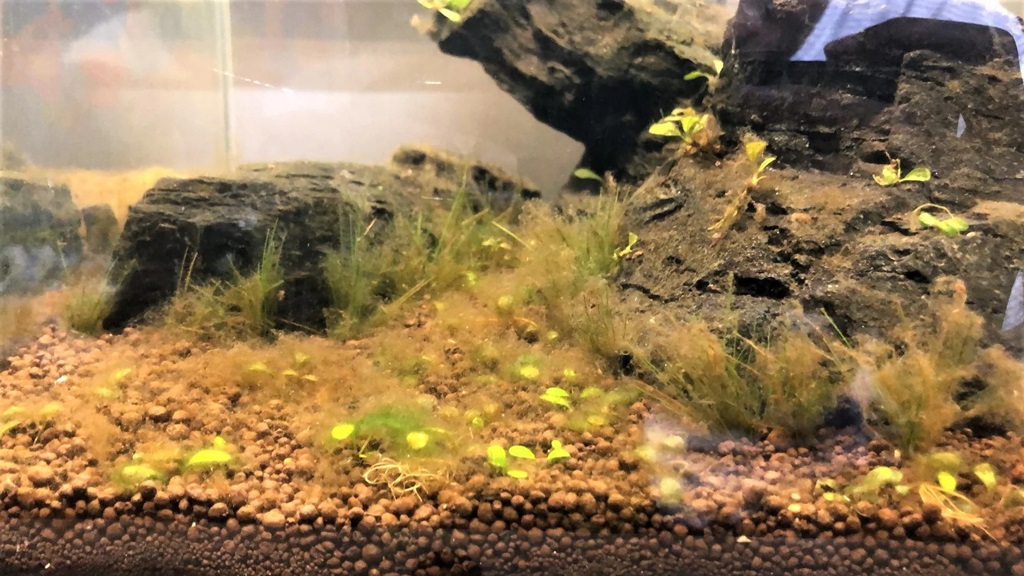
Brown algae, often called diatoms, are single-celled algae that thrive in environments rich in silicates and nitrates. They appear as a brown, dusty or slimy film on your aquarium’s glass, substrate, decorations, and even plants. While generally harmless, excessive brown algae growth can smother plants, clog filters, and deplete oxygen levels in the water. This can be particularly concerning for delicate species, such as the black ghost knife fish, which may struggle to thrive in such conditions.
The Root of the Problem: Causes of Brown Algae
Before we delve into solutions, it’s crucial to understand why brown algae invade your aquarium in the first place.
Here are the most common culprits:
- New Tank Syndrome: Newly set-up aquariums are particularly susceptible to brown algae blooms. The initial lack of beneficial bacteria and unstable water parameters create an ideal breeding ground for diatoms.
- Excess Nutrients: Overfeeding, infrequent water changes, and overcrowding can lead to a buildup of nitrates and phosphates in the water, fueling algae growth.
- Insufficient Lighting: While brown algae don’t require intense light like green algae, prolonged periods of darkness or inadequate lighting can favor their growth.
- High Silicate Levels: Silicates, found in tap water and some aquarium substrates, are a primary food source for diatoms.
- Poor Water Circulation: Stagnant water allows nutrients and silicates to accumulate, promoting algae growth.
Winning the Battle: How to Get Rid of Brown Algae
Now that you know the enemy, let’s arm you with the strategies to defeat it.
Manual Removal:
The first line of defense is good old-fashioned elbow grease.
Scrub Away: Use an algae scraper or a clean sponge to physically remove the brown film from the tank walls and decorations.
Gravel Vacuum: During water changes, use a gravel vacuum to siphon out debris and algae from the substrate.
Wipe Down Plants: Gently wipe the leaves of affected plants with a clean cloth or soft toothbrush.
Water Changes:
Regular water changes are essential for maintaining a healthy aquarium and combating algae.
Frequency: Aim for a 20-25% water change every week or two.
Dechlorination: Always use a water conditioner to remove chlorine and chloramine, which can harm your fish and beneficial bacteria.
Water Source: If your tap water has high silicate levels, consider using purified water or a silicate-removing filter.
Optimize Lighting:
Ensure your aquarium receives adequate lighting.
Photoperiod: Aim for 8-10 hours of light per day for a planted tank.
Light Intensity: Choose the right type and intensity of light for your plants and aquarium setup.
Consistency: Avoid frequent fluctuations in lighting duration.
Enhance Filtration:
A robust filtration system is crucial for removing excess nutrients and maintaining water quality.
Filter Media: Use a combination of mechanical, chemical, and biological filtration media.
Filter Capacity: Choose a filter rated for the size of your tank or slightly larger.
Regular Maintenance: Clean or replace your filter media regularly according to the manufacturer’s instructions.
Introduce Algae Eaters:
Certain aquatic creatures are natural algae grazers and can help keep brown algae in check.
Otocinclus Catfish: These small, peaceful catfish are excellent algae eaters and a popular choice for planted tanks.
Amano Shrimp: These shrimp are known for their voracious appetite for algae, including diatoms.
Nerite Snails: These snails are efficient algae grazers and won’t harm your plants.
Plant Power:
Live aquatic plants compete with algae for nutrients and help maintain a balanced ecosystem.
Fast-Growing Species: Choose fast-growing plants like Java Fern, Anubias, and Hornwort to outcompete algae.
Proper Planting: Ensure your plants have adequate lighting and nutrients to thrive.
Limit Nutrients:
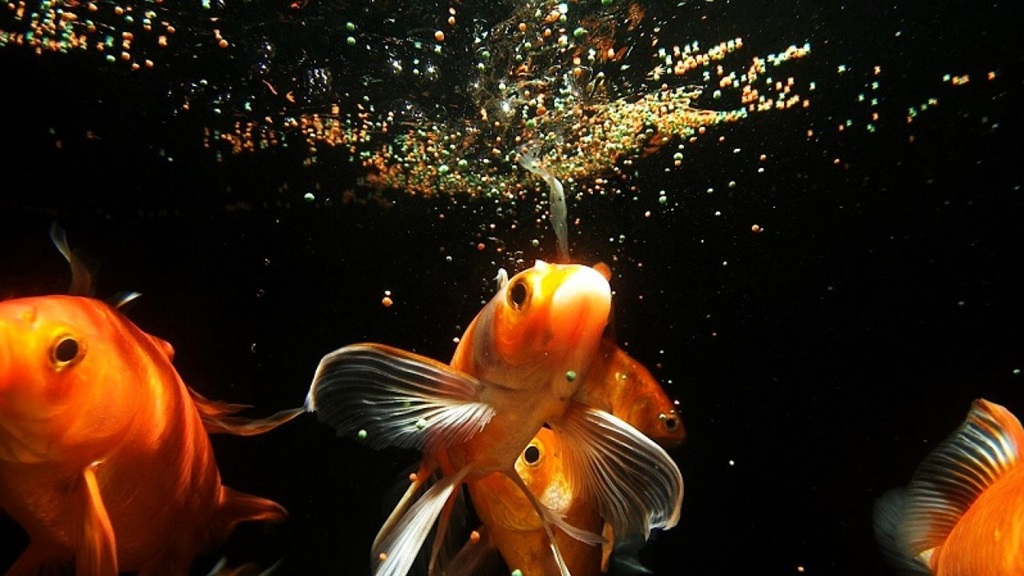
Reduce the amount of excess nutrients entering your aquarium.
Avoid Overfeeding: Feed your fish only what they can consume in a few minutes.
Remove Uneaten Food: Promptly remove any uneaten food to prevent it from decomposing and releasing nutrients.
Stock Appropriately: Avoid overcrowding your tank, which can lead to increased waste production.
Diatomaceous Earth:
In severe cases, you can use diatomaceous earth to control diatoms.
Filter Media: Add a small amount of diatomaceous earth to your filter media. This will help remove silicates from the water.
Caution: Use diatomaceous earth sparingly and follow the manufacturer’s instructions carefully.
Related: Low-Maintenance Freshwater Fish for Beginners: Your Guide to a Thriving Aquarium
Prevention is Key: Maintaining a Brown Algae-Free Aquarium
Once you’ve successfully eradicated brown algae, the key is to prevent its return. Here are some proactive measures:
- Consistent Maintenance: Stick to a regular schedule of water changes, filter maintenance, and algae removal.
- Monitor Water Parameters: Regularly test your water for nitrates, phosphates, and silicates.
- Healthy Plant Growth: Ensure your plants are thriving and competing effectively with algae.
- Quarantine New Additions: Quarantine new plants and fish to prevent the introduction of algae spores or other contaminants.
By following these tips and staying vigilant, you can create a thriving and beautiful aquarium free from the nuisance of brown algae. Remember, a healthy and balanced ecosystem, as emphasized on Aquariumfishblog, is the best defense against any unwanted guests. Happy fishkeeping!