

Okra, with its unique texture and subtle flavor, is a versatile vegetable that can be enjoyed in various culinary creations. However, its delicate nature requires careful handling and storage to preserve its freshness and prevent spoilage. In this comprehensive guide, we’ll delve into the top 6 mistakes to avoid when storing okra, ensuring you can savor its goodness for an extended period.
Mistake #1: Washing Okra Before Storage
One of the most common mistakes when storing okra is washing it before storing it. While it might seem intuitive to clean vegetables before putting them away, okra is an exception. Moisture is the enemy when it comes to storing okra. Washing it introduces excess moisture, which creates an ideal environment for bacteria and mold to thrive, leading to rapid spoilage.
The Solution: Resist the urge to wash your okra before storing it. Instead, store it unwashed and only wash it just before you’re ready to use it. This simple step will significantly extend its shelf life.
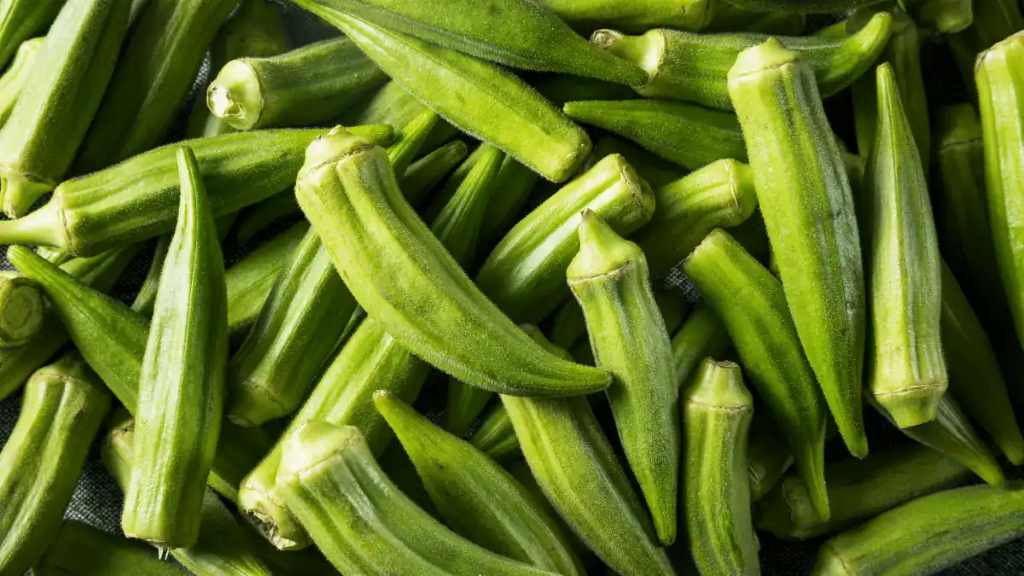
Mistake #2: Storing Okra in Plastic Bags
Another common mistake is storing okra in airtight plastic bags. While plastic bags might seem convenient for storing vegetables, they are detrimental to okra’s freshness. Okra needs to breathe, and airtight plastic bags trap moisture, accelerating spoilage.
The Solution: Opt for breathable storage options like mesh bags or paper bags with holes poked in them. These allow air circulation, helping to keep your okra fresh and dry.
Mistake #3: Storing Okra at Room Temperature
Okra is a warm-season crop that thrives in hot climates. However, storing it at room temperature is a recipe for disaster. The high temperatures accelerate its ripening process and encourage the growth of microorganisms, leading to quick spoilage.
The Solution: Store okra in the refrigerator. The cool temperatures will slow down its ripening process and inhibit the growth of spoilage-causing organisms.
Mistake #4: Storing Okra in the Crisper Drawer
While the refrigerator is the ideal storage location for okra, not all areas within it are created equal. The crisper drawer, designed to maintain high humidity levels for certain vegetables, is not suitable for okra. The high humidity will promote moisture buildup and accelerate spoilage.
The Solution: Store okra in the main compartment of the refrigerator, away from the crisper drawer. This will ensure it stays dry and fresh for a longer duration.
Mistake #5: Storing Okra Near Ethylene-Producing Fruits
Ethylene is a natural plant hormone that accelerates the ripening process of certain fruits and vegetables. Okra is sensitive to ethylene, and storing it near ethylene-producing fruits like apples, bananas, and avocados can trigger premature ripening and spoilage.
The Solution: Store okra away from ethylene-producing fruits. This will prevent it from being exposed to excessive ethylene and help maintain its freshness.
Mistake #6: Storing Okra for Too Long
Even with proper storage, okra has a limited shelf life. Storing it for too long will inevitably lead to quality deterioration and spoilage.
The Solution: Consume okra within 3-5 days of purchase or harvest. If you have a large quantity of okra, consider freezing or pickling it to extend its shelf life.
Additional Tips for Storing Okra
- Choose Fresh Okra: Select okra pods that are firm, bright green, and free from blemishes. Avoid pods that are soft, discolored, or have signs of mold.
- Handle with Care: Okra pods are delicate and can bruise easily. Handle them gently to avoid damaging them.
- Trim Carefully: When trimming okra, avoid cutting into the pods themselves. This can introduce moisture and accelerate spoilage.
- Freeze for Longer Storage: If you have a surplus of okra, consider freezing it. Blanch the okra pods in boiling water for a few minutes, then shock them in ice water to stop the cooking process. Drain the okra and pat it dry before freezing it in airtight containers or freezer bags.
By avoiding these common mistakes and following these expert tips, you can ensure that your okra stays fresh, crisp, and flavorful for as long as possible. Remember, proper storage is key to enjoying this versatile vegetable at its best!
Beyond Storage: Okra’s Culinary Versatility
Okra’s unique texture and flavor make it a versatile ingredient in various culinary creations. It can be used in soups, stews, gumbo, stir-fries, and even pickled or fried. Its mucilaginous texture, while sometimes undesirable, can be used to thicken soups and stews.
Health Benefits of Okra
Okra is not only delicious but also packed with nutrients. It is a good source of vitamins A, C, and K, as well as minerals like magnesium, potassium, and calcium. It is also high in fiber, which promotes digestive health and helps regulate blood sugar levels.
In Conclusion
Storing okra properly is essential to preserve its freshness and prevent spoilage. By avoiding the common mistakes outlined in this guide and following the expert tips provided, you can enjoy this versatile and nutritious vegetable at its best for an extended period. Remember, fresh okra is key to creating delicious and healthy dishes that will tantalize your taste buds. For those interested in long-term storage options, you might want to explore Thedissertationhouse review on frozen whole okra, which provides additional insights on keeping okra fresh even longer.
With these valuable insights, you’re now equipped to store your okra like a pro! Happy cooking!