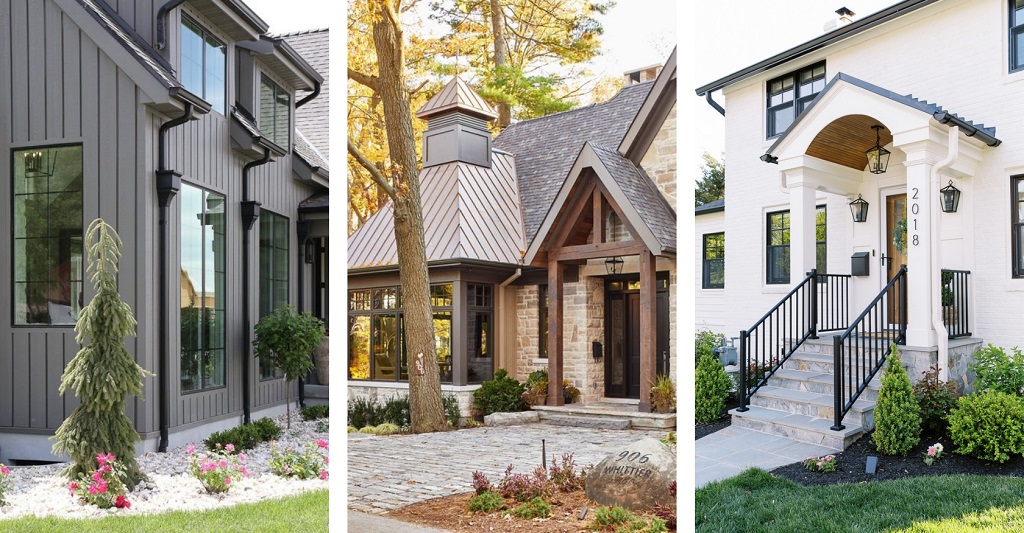

Fiberstone, a composite material made from a mixture of stone aggregates, cement, and glass fibers, has steadily gained recognition in the construction industry. Its unique blend of characteristics offers both advantages and drawbacks, making it a material that necessitates careful consideration before implementation.
The Pros of Fiberstone

- Lightweight Yet Durable: Fiberstone’s primary appeal lies in its impressive strength-to-weight ratio. It’s considerably lighter than traditional stone or concrete, making it easier to transport, handle, and install. Despite its reduced weight, it boasts remarkable durability, resisting chipping, cracking, and weathering.
- Design Versatility: Fiberstone’s malleability allows it to be molded into intricate shapes and designs that would be challenging to achieve with conventional stone. This opens a world of possibilities for architects and designers, enabling them to create unique facades, decorative elements, and custom architectural features.
- Weather Resistance: Fiberstone’s composition renders it resistant to the harsh effects of weather. It doesn’t readily absorb water, reducing the risk of freeze-thaw damage, and its resistance to UV radiation prevents fading and discoloration. This makes it suitable for both interior and exterior applications.
- Low Maintenance: Unlike natural stone, fiberstone doesn’t require sealing or frequent treatments to maintain its appearance and integrity. Its smooth surface resists dirt and grime buildup, making it relatively easy to clean and keep in good condition.
- Cost-Effective: In many cases, fiberstone proves to be a more budget-friendly option compared to natural stone. Its lighter weight translates to lower transportation costs, and the ease of installation can reduce labor expenses, especially when enhancing your home’s exterior. Moreover, its long lifespan can result in reduced maintenance costs over time.
The Cons of Fiberstone
- Limited Load-Bearing Capacity: While fiberstone excels in many areas, its load-bearing capacity is not as high as that of traditional stone or concrete. This means it’s not suitable for structural applications that require significant weight support.
- Potential for Cracking: Although fiberstone is generally durable, it can be susceptible to cracking if subjected to extreme stress or impact. Proper reinforcement and careful installation are crucial to mitigate this risk.
- Less “Authentic” Look: While fiberstone can mimic the appearance of natural stone, some purists argue that it lacks the depth, character, and unique variations found in natural materials. This can be a deciding factor for projects where authenticity is a priority.
- Environmental Impact: The manufacturing process of fiberstone involves the use of cement, which contributes to greenhouse gas emissions. Additionally, the long-term environmental impact of disposing of fiberstone products is still under scrutiny.
- Skill-Dependent Installation: While fiberstone offers a beautiful and durable alternative to traditional stone, achieving optimal results requires skilled installers who are familiar with the material’s specific properties and installation techniques. Unlike its cousin, ficonstone, which is a lighter-weight resin-based material, fiberstone incorporates crushed stone, making it heavier and requiring a different approach for handling and installation. Improper installation of fiberstone can lead to issues like cracking or unevenness. To learn more about the pros and cons of fiberstone planters specifically, you can check out at https://decoracaos.com/readers-choice/fiberstone-planters-pros-and-cons/.
Conclusion
Fiberstone’s versatility, durability, and cost-effectiveness make it a compelling option for many construction projects. Its ability to mimic the aesthetics of natural stone while offering practical advantages opens doors for innovative design solutions. However, its limitations in load-bearing capacity, potential for cracking, and environmental impact need to be carefully weighed against its benefits.
Ultimately, the decision to use fiberstone should be based on a comprehensive assessment of project requirements, budget constraints, design aspirations, and environmental considerations. With proper planning and execution, fiberstone can be a valuable asset in the construction industry.