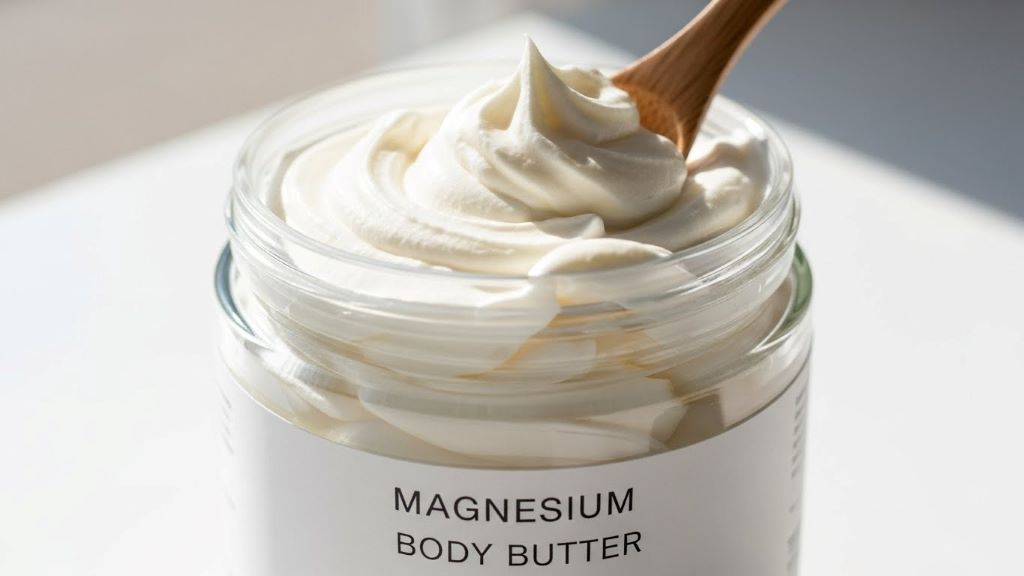
Creating luxurious whipped body butter at home has become increasingly popular among skincare enthusiasts. However, adding magnesium to your formulation presents unique challenges. The experts at Health Define have explored these challenges extensively. This guide will help you achieve the perfect texture while harnessing magnesium’s powerful skin benefits.
Many crafters struggle with texture issues when incorporating magnesium into body butter recipes. Therefore, understanding proper stabilization techniques is essential for success. Whether you’re making small batches for personal use or preparing products for your business, these tips will transform your results. Additionally, mastering these methods ensures your creation remains stable over time.
Understanding Magnesium in Body Butter Formulations
Magnesium chloride and magnesium oil are common additions to skincare products. These ingredients offer remarkable benefits for muscle relaxation and skin health. However, they can disrupt the delicate balance of whipped body butter. When you follow a quality whipped magnesium body butter recipe, you’ll notice specific ratios that prevent separation and graininess.
The water content in magnesium solutions creates challenges in oil-based formulations. Body butters traditionally contain only oils and butters without water. Consequently, adding magnesium requires emulsification or special techniques to maintain stability. This incompatibility often leads to separation, where the magnesium layer sits apart from the butter base.
Essential Stabilizer Options for Magnesium Body Butter
Several natural stabilizers work effectively in magnesium-enriched formulations. Beeswax stands out as a traditional choice that provides structure and firmness. It creates a protective barrier and helps bind ingredients together. Meanwhile, candelilla wax offers a vegan alternative with similar stabilizing properties.
Emulsifying wax becomes necessary when working with water-based magnesium solutions. This ingredient allows oil and water to blend seamlessly without separation. According to research from the National Institutes of Health, proper emulsification is crucial for topical magnesium absorption. Furthermore, cetyl alcohol serves as an excellent co-emulsifier that enhances texture while providing moisturizing benefits.
Stearic acid is another powerful stabilizer that improves consistency. It thickens the formulation and creates a smooth, luxurious feel on the skin. Additionally, vitamin E oil acts as both a preservative and texture enhancer. It prevents oxidation while contributing to the overall stability of your body butter.
Temperature Control During the Whipping Process
Temperature management is critical when making magnesium body butter. Start by melting your oils and butters at the lowest temperature possible. Overheating can damage beneficial compounds and affect the final texture. Most ingredients melt completely between 160 to 170 degrees Fahrenheit.
After melting, allow the mixture to cool to room temperature before whipping. This cooling phase is where patience pays off tremendously. Rushing this step often results in grainy or separated products. However, cooling too much can make the mixture too firm to whip properly.
The ideal whipping temperature ranges between 70 to 75 degrees Fahrenheit. At this temperature, the butter achieves maximum fluffiness without melting. Monitor the consistency carefully as you whip. Stop when you reach soft peaks that hold their shape but remain spreadable.
Proper Ingredient Ratios for Stability
Balancing your ingredient ratios prevents common texture problems. A typical stable formula contains 40 to 50 percent hard butters like shea or cocoa butter. These provide the base structure for your whipped creation. Meanwhile, soft oils like sweet almond or jojoba comprise 30 to 40 percent of the mixture.
Stabilizers should make up approximately 5 to 10 percent of your total formulation. This percentage varies depending on which stabilizers you choose. Beeswax requires less volume compared to emulsifying wax. Therefore, testing small batches helps you find the perfect balance for your specific ingredients.
Magnesium concentration also affects stability significantly. Most recipes recommend keeping magnesium content below 10 percent of the total weight. Higher concentrations increase the risk of separation and graininess. Additionally, strong magnesium concentrations can feel uncomfortable on sensitive skin.
Techniques to Prevent Graininess
Graininess remains one of the most frustrating issues in body butter making. This texture problem occurs when butters crystallize unevenly during cooling. The key to prevention lies in controlled temperature changes throughout the process. Never allow your mixture to experience sudden temperature fluctuations.
Some crafters use the heat and hold method to prevent graininess. This technique involves maintaining all ingredients at a specific temperature for 20 minutes. The sustained heat ensures complete melting of all crystal structures. Consequently, the cooling process produces smaller, more uniform crystals.
Adding a small amount of liquid oil helps prevent grainy texture as well. Oils like fractionated coconut oil remain liquid at room temperature. They interfere with crystal formation and keep the texture smooth. However, too much liquid oil can make your body butter feel greasy rather than luxurious.

Emulsification Methods for Water-Based Magnesium
Working with magnesium chloride solution requires proper emulsification techniques. Start by creating a stable emulsion base before adding magnesium. Heat your oil phase and water phase separately to the same temperature. Both phases should reach approximately 160 degrees Fahrenheit.
Slowly pour the water phase into the oil phase while mixing continuously. Use a stick blender or hand mixer to combine the phases thoroughly. The mixture will appear cloudy at first but should become creamy and uniform. This process typically takes three to five minutes of constant mixing.
After achieving emulsification, allow the mixture to cool slightly before adding magnesium. Adding magnesium at temperatures above 120 degrees can reduce its effectiveness. Furthermore, cooler temperatures provide better stability for the final product. Research published by WebMD indicates that topical magnesium applications work best when properly stabilized.
Storage Considerations for Long-Term Stability
Proper storage extends the shelf life of your magnesium body butter significantly. Always use clean, airtight containers to prevent contamination. Glass jars work better than plastic for maintaining product integrity. Additionally, dark-colored containers protect the butter from light degradation.
Store your body butter in a cool, dry location away from direct sunlight. Temperatures between 60 to 70 degrees Fahrenheit are ideal for stability. Warmer conditions can cause melting and separation. However, refrigeration isn’t recommended as it can alter the texture permanently.
Adding natural preservatives becomes essential when water is present in your formulation. Vitamin E oil, rosemary extract, and grapefruit seed extract offer preservation benefits. These ingredients help prevent bacterial and fungal growth in your product. Therefore, water-based magnesium body butters typically last three to six months when properly preserved.
Troubleshooting Common Texture Problems
Sometimes despite best efforts, texture issues still occur. Separation indicates an emulsification failure or incompatible ingredient ratios. To fix separation, gently reheat the mixture and blend thoroughly again. Adding more emulsifying wax often resolves persistent separation problems.
Excessive softness suggests too much liquid oil in your formulation. This problem requires reformulation with increased butter or wax content. Conversely, overly firm texture indicates too much hardening agent. Adjusting these ratios in future batches will improve consistency.
If your body butter becomes grainy after initially being smooth, temperature fluctuations are likely responsible. Avoid storing finished products near heat sources or in fluctuating temperatures. Maintaining consistent storage conditions prevents texture degradation over time.
Enhancing Your Formula with Complementary Ingredients
Beyond stabilizers, other ingredients can improve your magnesium body butter. Essential oils add aromatherapy benefits and natural preservation properties. Lavender and chamomile pair wonderfully with magnesium for relaxation purposes. However, use essential oils sparingly at one to two percent of total weight.
Skin-nourishing oils like argan or rosehip seed oil boost therapeutic properties. These oils contain vitamins and fatty acids that complement magnesium’s benefits. Additionally, they contribute to a silkier texture without compromising stability.
Natural extracts like calendula or chamomile offer anti-inflammatory benefits. These ingredients dissolve well in oil phases and don’t affect texture negatively. Furthermore, they enhance the overall skincare value of your creation.
Conclusion
Creating stable, luxurious whipped magnesium body butter requires attention to detail and proper technique. Understanding the interaction between ingredients is fundamental to success. Temperature control, correct ratios, and appropriate stabilizers form the foundation of quality formulations. Additionally, proper emulsification techniques are essential when working with water-based magnesium solutions.
By following these guidelines, you can create professional-quality body butter at home. Remember that patience during the cooling and whipping stages produces the best results. Furthermore, proper storage ensures your creation remains stable and effective for months. With practice and careful attention to these tips, you’ll master the art of whipped magnesium body butter.
Frequently Asked Questions
What causes my magnesium body butter to separate?
Separation occurs when water-based magnesium and oil-based butters don’t emulsify properly. Using emulsifying wax and maintaining proper temperature during mixing prevents this issue. Additionally, inadequate blending time can cause incomplete emulsification leading to separation.
Can I fix grainy body butter after it’s already made?
Yes, you can fix grainy texture by gently reheating the body butter until completely melted. Then allow it to cool slowly at room temperature before rewhipping. This process resets the crystal structure and typically resolves graininess.
How long does homemade magnesium body butter last?
Oil-only formulations last six to twelve months when stored properly with vitamin E as a preservative. Water-based recipes containing magnesium solution last three to six months. Always use clean utensils and store in airtight containers for maximum shelf life.
What’s the best stabilizer for beginners?
Beeswax is the most beginner-friendly stabilizer for oil-only magnesium body butter recipes. It’s easy to work with and requires no special techniques. Start with two to five percent beeswax by weight and adjust based on your desired firmness.
Why does my body butter melt in warm weather?
Body butter melts when ambient temperature exceeds the melting point of its ingredients. Increasing the percentage of hard butters or adding more beeswax raises the melting point. However, some melting is normal in very hot conditions, and refrigerating temporarily can restore texture.
Related topics:
OKC Chill Spots: Relaxation Services & Product Reviews
How to Sleep on a Bus: Ultimate Guide for Restful Travel