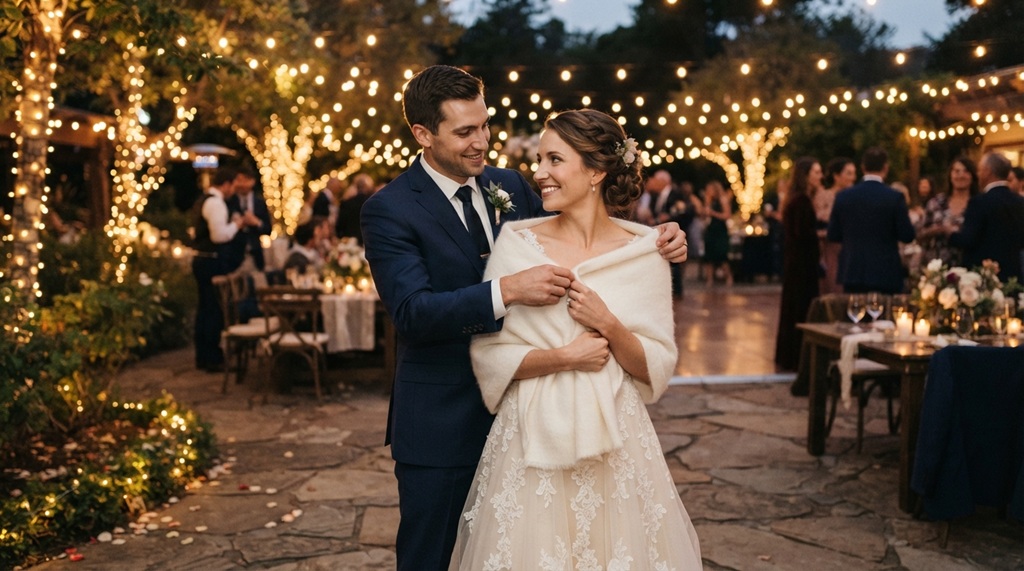
You’ve found the perfect gown, booked the venue, and planned the menu, but your shoulders are already shivering just thinking about the evening forecast. A chilly wedding night can turn your dream celebration into a shivering memory, and that’s a problem you don’t want to freeze through. The solution isn’t just any wrap it’s choosing the best shawl for cold wedding nights that balances warmth, style, and comfort without hiding your dress. This guide will break down everything you need to know, from fabric science to styling tricks, so you can stay cozy and camera-ready from the first dance to the final farewell.
What Makes a Shawl Truly Warm Enough for a Cold Wedding?
A shawl only works if it actually retains heat. The warmth factor isn’t about thickness alone; it’s about the material’s ability to trap body heat and block wind. For a cold wedding night, you need a fabric with high insulation properties, a dense weave, and enough coverage to protect your arms and back.
The Warmth Hierarchy of Fabrics
Not all shawls are created equal. Here’s how common materials stack up against cold weather:
- Pashmina (Cashmere Blend): The gold standard for warmth-to-weight ratio. It traps heat while remaining lightweight and luxurious.
- Pure Wool: Excellent insulation, but can feel scratchy against bare shoulders unless lined or blended with silk.
- Velvet: Heavy and wind-resistant, but less breathable for indoor dancing.
- Silk Satin: Beautifully elegant, but offers minimal warmth use only for mild chills.
- Faux Fur: Provides dramatic warmth and works wonders for outdoor ceremonies.
Denier and Weave Density Explained
Check the fabric’s thread count and weave. A tightly woven pashmina (often 12-ply or higher) blocks cold air far better than a loose, open weave. Hold the shawl up to light if you see light through the fibers, wind will pass through too.
Why Size and Coverage Matter for Warmth
A stole that just covers your shoulders won’t cut it on a freezing night. Look for a shawl that reaches at least your elbows when worn and has enough width to wrap around the front of your arms. A larger rectangular wrap (about 28” x 80”) offers versatile styling options that maximize coverage.
Which Shawl Styles Offer the Best Coverage for Evening Events?
Coverage isn’t just about size it’s about how the shawl stays in place and protects the most exposed areas. For a cold wedding night, you want a style that doesn’t slip off during dancing toasts or outdoor photos.
Capes vs. Stoles vs. Wraps: Pros and Cons
Here’s a quick comparison to help you decide:
| Style | Warmth | Ease of Wear | Best For |
|---|---|---|---|
| Long Stole | Moderate to High | Drapes easily, may need pinning | Strapless gowns, indoor receptions |
| Circular Cape | High | Slips over head, stays put | Outdoor ceremonies, high necklines |
| Shoulder Wrap with Clasp | Moderate | Secure closure, hands-free | Dancing, cocktail hours |
| Faux Fur Bolero | Very High | Structured, fits like a jacket | Winter weddings, minimal straps |
How to Keep a Shawl from Slipping Off
The biggest frustration with shawls is constant readjusting. For a secure fit, look for:
- Built-in loops or buttons that attach to your dress straps.
- Silk-lined interiors that grip the skin slightly.
- A brooch or pin, but use it on the inside to maintain a clean look.
- Weighted corners or a subtle chain to anchor the fabric.
The Best Length for Styling Versatility
A 72-inch length allows you to wrap it across your chest for pseudo-sleeves when needed. Shorter capes are less versatile but offer easier movement for dancing.
How Do You Match a Shawl to a Wedding Dress Without Clashing?
Your shawl should complement not compete with your gown. The secret is balancing texture, color, and silhouette. A bulky shawl can overwhelm a delicate slip dress, while a skinny scarf might look lost on a ballgown.
Color Matching: Solid, Contrast, or Metallic?
Follow these general rules for a cohesive look:
- Ivory/White Dresses: Choose a shawl that is either the exact same white or a deliberate contrast (e.g., deep burgundy or champagne). Avoid “off-white” that looks yellowed.
- Blush or Champagne Dresses: Opt for a shawl with metallic threads or pure cream to add depth without clashing.
- Bold or Patterned Dresses: Stick to a solid, neutral shawl to avoid pattern overload.
Texture Pairing Guidelines
Match delicate fabrics with delicate shawls. Here’s a practical cheat sheet:
- Lace Gown: Choose a fine knit pashmina or silk satin.
- Satin Gown: Velvet or faux fur adds nice contrast.
- Tulle/Organza Gown: A matte cashmere or wool balances the shine.
- Minimalist Crepe Gown: A bold faux fur stole creates a fashion statement.
Should the Shawl Match the Veil or Accessories?
Yes, coherence is key. If you’re wearing gold jewelry, a shawl with a subtle gold thread ties the look together. Avoid mixing silver and gold undertones in the shawl and your accessories.
When Should You Buy Your Wedding Shawl?
Timing matters more than you think. Buying too early risks weather changes; buying too late leaves no customization time. Aim to purchase your shawl 6 to 8 weeks before the wedding date.
The Ideal Shopping Timeline
Follow this timeline for a stress-free experience:
- 10 weeks out: Research styles and fabrics online; save your favorites.
- 8 weeks out: Order samples or visit stores to feel materials.
- 6 weeks out: Make your final purchase, allowing time for monogramming if desired.
- 2 weeks before: Do a “test wear” with your dress at home to check fit and comfort.
Seasonal Availability and Weather Predictions
If your wedding is in early autumn, don’t buy a heavy winter pashmina. Conversely, a spring wedding can still have cold nights, so err on the side of slightly warmer. Check historical weather data for your specific date and location, but always prepare a backup plan.
Can You Rent a Shawl or Should You Buy?
Renting is eco-friendly and cost-effective, but buying ensures the perfect fit and allows you to wear it again on anniversaries. If you buy, you can also have it altered to your height something you can’t do with a rental.
Styling Evening Wraps for Minimalist Necklines

A wrap gracefully elevates a strapless or sleeveless gown, insulating against cold night air while preserving the dress’s clean silhouette. The key lies in strategic draping: opt for lightweight cashmere or plush velvet draped loosely over the elbows or secured with an ornate brooch to prevent constant slipping and avoid obscuring intricate bodice details. If you are curating personalized ceremonial accents to match your evening attire, our DIY handfasting cords guide offers a step-by-step approach to weaving custom elements that perfectly complement your wedding style.
How to Drape a Shawl Over Strapless Dresses Without Hiding Them
There’s a precise way to do this. Fold the shawl in half lengthwise to create a softer, narrower band. Drape it over your upper arms, letting the ends fall behind your elbows. This keeps the front of your neckline exposed while warming your arms and shoulders,If you are planning your evening look and are seeking affordable yet stunning wrap options, we suggest you check out this curated guide for the best shawl for cold wedding occasions. It’s a practical resource for finding beautiful, high-quality pieces that won’t break the bank.
The Best Shawl Shapes for High Necklines
If your gown has a high neck, skip capes that bunch around your chin. A simple, straight stole that hangs vertically from your shoulders is more flattering. A faux fur shoulder piece also works well as it sits on the top of the arms rather than wrapping the neck.
Avoiding Bulk Under the Arms
Choose a shawl with a side slit or an open construction. This allows your arms to move freely without gathering fabric under the armpit, which ruins your dress’s fit and your comfort.
How Do You Care for and Store a Delicate Shawl Before the Big Day?
A shawl last-minute stain or snag can ruin your outfit plan. Careful storage and handling are essential for delicate fabrics, which are prone to pulls and wrinkles.
How to Store a Shawl to Prevent Wrinkles and Snags
Never hang a knitted or cashmere shawl; it will stretch out. Instead, fold it in acid-free tissue paper and place it in a fabric garment bag. Keep it flat in a drawer away from direct sunlight.
Cleaning and Steaming 48 Hours Before the Event
Do not spray perfume directly on the shawl this can cause staining. If creased, use a handheld steamer on a low setting, holding the steam at least 6 inches away. For pashminas, skip the iron entirely; steam only.
Emergency Touch-Up Kit for the Wedding Night
Pack a small pouch inside your clutch for emergencies. Include a lint roller, a tiny pair of scissors for snags, and a mini sewing kit with matching thread. A pre-measured stain remover pen is also a lifesaver.
What Is the Budget Breakdown for a Quality Cold-Weather Shawl?
You can spend anywhere from $20 to over $500. The sweet spot for a durable, warm, and stylish shawl is typically between $80–$200. Understanding where the money goes helps you avoid overpaying.
Price vs. Quality: Where to Invest
High prices often indicate better material and craftsmanship. Pay extra for:
- 100% cashmere or high-gram-weight wool.
- Hand-finished edges (hand-knotted fringes are stronger).
- Double-sided weaving for durability.
Affordable Alternatives That Look Expensive
A high-quality acrylic blend can mimic cashmere at a fraction of the cost. Look for “cashmere mist” or “modal” blends they are softer than rayon and have good draping fall. A well-sewn velvet shawl also looks luxurious without the heavy price tag.
Hidden Costs to Consider
Don’t forget monogramming fees, rush shipping costs, or the price of a matching shawl clip or pin. These small add-ons can increase the total cost by 20%–30%.
How Many Shawls Do You Need for One Wedding Night?
Most brides only need one, but having a backup is smart if you plan on switching between a ceremony, cocktail hour, and outdoor photos. You might use a heavy cape for the ceremony and a lighter wrap for dancing.
One Shawl vs. Two: When a Backup Makes Sense
If your wedding involves multiple locations (e.g., outdoor ceremony, indoor reception), pack a backup. A sudden temperature drop in a mountain venue may require a heavier layer than a typical covered ballroom. Always have a second, thinner wrap for the dance floor when a bulky shawl gets in the way.
Coordinating with Bridesmaids
If bridesmaids also need shawls, choose a slightly different fabric for the bride to help her stand out. Provide a different tone of the same color (e.g., ivory for bride, champagne for bridesmaids).
Bridal Party Mistakes to Avoid
Don’t have everyone buy the same shawl without checking the dress colors. A nude shawl might look odd on a blush dress. Instead, coordinate by texture, not exact color matching.
Why Does Fabric Drape Matter More Than You Think?
A shawl with poor drape will stick out and look like a blanket. Good draping means the fabric flows smoothly over your body’s curves and adapts to your movements. This is influenced by the fiber’s weight and weave.
Heavy vs. Lightweight Drape for Weddings
Heavy shawls (velvet, wool) drape in structured folds, giving a formal, stately look. Lightweight shawls (silk, fine pashmina) drape in soft, fluid lines that feel romantic and easeful. For a ballroom, heavy works; for a beach, light is better.
How to Test Drape When Shopping
Don’t just look at a shawl hanging on a rack. Drape it over your forearm and shake it gently. Does it fall smoothly, or does it have a “stiff” skeleton that kinks? A good test is to see if it can be wrapped around your neck without forming acute angles.
The Role of Fringe and Trim in Draping
Long, heavy fringe can pull the fabric downwards, improving drape. Conversely, thick piping on the edges can make the shawl stand away from your body. Choose edge treatments that complement the desired silhouette.
Can You Repurpose a Wedding Shawl After the Honeymoon?
Absolutely, and this is a huge advantage. A well-chosen shawl isn’t just a one-time accessory; it can become a beloved wardrobe staple. Investing in a classic design ensures you’ll get wear out of it for years.
Turning a Bridal Shawl into Everyday Luxury
Choose a neutral color like camel, charcoal gray, or navy, which works over jeans and evening trousers. Skip heavy wedding-white or crystals, as those markers limit reuse. A classic pashmina with a subtle sheen is endlessly versatile.
Repurposing Ideas for Anniversaries
Wear it as a scarf with a trench coat on your first anniversary date night. You can also have it framed with your wedding invites as a keepsake, or transform it into a small throw pillow cover to preserve the memory.
Gifting or Passing Down
A high-quality cashmere shawl can be re-gifted or passed down to a younger family member. It’s a timeless piece that doesn’t age. This makes the initial cost more justifiable.
Where Can You Find the Best Shawls for Cold Wedding Nights?
The shopping strategy matters as much as the product. While big-box stores offer convenience, specialty bridal boutiques and online retailers often carry higher-quality options. Knowing where to look helps you find that perfect match for your dress.
Online vs. In-Store: Pros and Cons
Online stores offer extensive variety and easier price comparison, while in-store lets you feel the fabric and test the drape against your dress. If buying online, always check the return policy before purchasing a delicate product like a shawl.
Read Reviews for Real-World Feedback
Don’t just rely on product descriptions. Look for customer photos that show how the shawl fits on different shoulders. Pay attention to comments about shedding, pilling, and color accuracy. This offers an authentic, human perspective on the item’s performance.
Sustainable and Ethical Options
Consider brands that emphasize ethical sourcing and fair-trade practices. A little research will reveal if the wool or cashmere was sustainably harvested. This aligns with a growing trend toward conscious consumerism, and it feels good to know your warm accessory didn’t harm the environment.
Frequently Asked Questions
What is the warmest fabric for a wedding shawl?
Pashmina (cashmere) or pure wool blend is the warmest. Faux fur is also excellent for extreme cold. For a cold wedding night, avoid silk or cotton which provide very little insulation.
Can I wear a shawl with a winter wedding dress with sleeves?
Yes, but choose a shorter or slimmer cape rather than a long bulky stole. The shawl should sit on the shoulders without interfering with the sleeve cuffs or creating bulk at the wrists.
How big should a wedding shawl be?
Ideally, a shawl should be at least 28 inches wide and 72 inches long for full coverage and styling options.
Is a bolero better than a shawl for a cold wedding?
A bolero is better for providing arm coverage and staying in place during dancing. A shawl offers better back coverage but can slip off. Choose a bolero if you prioritize movement and arms, a shawl if you prioritize elegant draping.
How do I keep a shawl on my shoulders without a pin?
Look for shawls with built-in loops or grips on the inside. Alternatively, wrap it around your arms tightly and tuck the ends under your elbows for a secure fit that doesn’t slide.
What color shawl should I wear with a white dress?
You can match the exact white of your dress, or go for a deliberate contrasting color like champagne, blush, or a jewel tone. The choice depends on whether you want a monochromatic or complementary look.
Can I wear a casual knit shawl to a formal wedding?
No, a chunky home-knit scarf looks out of place at a formal event. Choose a refined material like cashmere, satin-backed crepe, or velvet to match the formality of the dress code.
Conclusion
Choosing the best shawl for cold wedding nights comes down to balancing three key elements: thermal efficiency, seamless style integration, and practical, reliable wear. Pick a fabric like high-ply pashmina or luxury faux fur that provides real warmth, and make sure the size and shape offer sufficient coverage without overwhelming your gown. Remember to match colors and textures carefully, and don’t skimp on the finishings drape and secure closures can make all the difference between a photogenic look and a wardrobe malfunction. When you find the right piece, it won’t just keep you warm; it will add a layer of sophistication to your bridal ensemble. So, explore your options, take your time, and select a shawl that makes you feel as radiant as you look because you deserve to enjoy your celebration without the shivers.