Automate home lighting while traveling is an effective way to enhance security, reduce energy consumption, and maintain the appearance of an occupied home. With advancements in smart home technology, travelers can now control lighting remotely, schedule routines, and integrate systems with other devices for seamless operation. This article explores the history, current state, key concepts, benefits, challenges, and future trends of home lighting automation, providing actionable insights for tech-savvy readers. It also includes a review of popular systems, answers to frequently asked questions, and a conclusion summarizing key takeaways.
History of Home Lighting Automation
Early Developments
Automate home lighting has evolved significantly over the decades, driven by the desire for convenience, energy efficiency, and security.
-
1960s–1980s: Timers and Basic Automation
-
Mechanical timers were among the first devices used to automate lighting, allowing users to set specific on/off times.
-
X10 protocol, introduced in 1975, enabled basic remote control of lights via powerline communication, laying the groundwork for modern smart home systems.
-
These systems were limited by clunky interfaces, limited programmability, and lack of integration with other devices.
-
-
1990s–2000s: Rise of Smart Home Systems
-
Early smart home systems, like Crestron and Lutron, introduced more sophisticated control panels and programmable lighting scenes.
-
These systems were expensive, often requiring professional installation, and were primarily used in luxury homes.
-
Internet connectivity began enabling remote control via early mobile apps, though reliability was inconsistent.
-
Modern Era
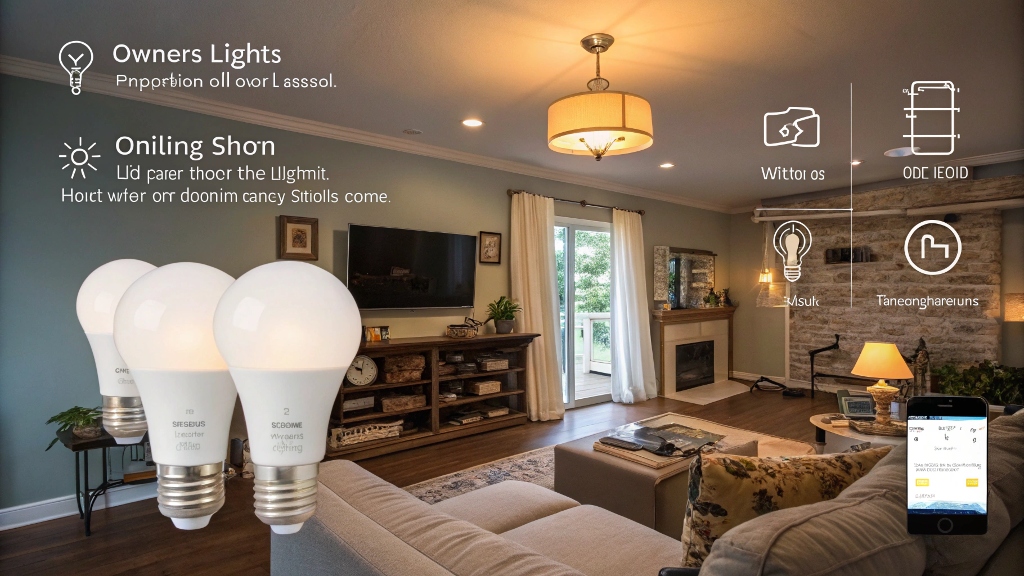
The proliferation of IoT (Internet of Things) devices and wireless technologies like Wi-Fi, Zigbee, and Z-Wave has democratized home lighting automation.
-
Smart bulbs (e.g., Philips Hue, LIFX) and smart plugs became affordable and user-friendly by the mid-2010s.
-
Integration with voice assistants like Amazon Alexa, Google Assistant, and Apple HomeKit made automation accessible to mainstream consumers.
-
Cloud-based platforms now allow remote control from anywhere in the world, a critical feature for travelers.
Current State of Home Lighting Automation
Key Technologies
Modern lighting automation relies on a combination of hardware, software, and connectivity protocols tailored for flexibility and scalability.
-
Smart Bulbs and Fixtures
-
Brands like Philips Hue, LIFX, and Nanoleaf offer bulbs with customizable colors, brightness, and schedules.
-
Smart fixtures, such as those from Lutron Caséta, integrate directly into home wiring for a seamless look.
-
-
Smart Plugs and Switches
-
Devices like TP-Link Kasa and Wemo Mini turn traditional lights into smart lights without replacing bulbs.
-
Wall-mounted smart switches (e.g., Leviton Decora) provide whole-room control.
-
-
Hubs and Ecosystems
-
Hubs like Samsung SmartThings or Hubitat centralize control of multiple devices, improving reliability over Wi-Fi-only systems.
-
Ecosystems like Apple HomeKit ensure secure, encrypted communication for privacy-conscious users.
-
-
Connectivity Protocols
-
Wi-Fi: Simple setup but can strain networks with many devices.
-
Zigbee/Z-Wave: Low-power, mesh networks ideal for large homes.
-
Matter: A new standard (launched 2022) ensuring cross-brand compatibility.
-
Integration with Other Systems
Lighting automation is often part of a broader smart home ecosystem, enhancing functionality when traveling.
-
Security Systems
-
Integration with cameras (e.g., Ring, Arlo) or motion sensors triggers lights to simulate occupancy.
-
Example: A motion sensor detecting activity in the driveway can turn on porch lights.
-
-
Voice Assistants and Apps
-
Apps like Google Home or Alexa allow remote scheduling and real-time control.
-
Voice commands can be used before leaving or upon returning home.
-
-
Geofencing and IFTTT
-
Geofencing uses smartphone location to turn lights on/off when you leave or return.
-
IFTTT (If This, Then That) enables custom automations, like turning lights on at sunset based on weather data.
-
Key Concepts in Automating Home Lighting for Travel
Scheduling and Randomization
-
Fixed Schedules
-
Set lights to turn on/off at specific times (e.g., living room lights on from 6 PM to 10 PM).
-
Useful for consistent routines but predictable, potentially signaling an empty home.
-
-
Randomized Patterns
-
Mimic natural behavior by varying on/off times (e.g., ±15 minutes from a set schedule).
-
Supported by apps like Philips Hue or SmartThings with “vacation mode” features.
-
Remote Access
-
Cloud-based apps allow control from anywhere with an internet connection.
-
Requires a stable home Wi-Fi network and, for some systems, a hub to maintain connectivity.
Energy Monitoring
-
Smart plugs and bulbs often include energy usage tracking, helping travelers optimize consumption.
-
Example: TP-Link Kasa HS110 provides real-time and historical energy data.
Automation Triggers
-
Time-Based: Sunset/sunrise triggers based on local time or weather data.
-
Event-Based: Motion sensors, doorbell cameras, or door locks triggering lights.
-
Location-Based: Geofencing turns lights off when you leave a predefined radius.
Benefits of Automating Home Lighting When Traveling
Enhanced Security
-
Deterring Intruders
-
Lights simulating occupancy reduce the risk of break-ins by making homes appear lived-in.
-
Studies (e.g., 2017 UK burglary research) show well-lit homes are less likely to be targeted.
-
-
Integration with Security Systems
-
Lights can flash or brighten in response to suspicious activity detected by cameras or sensors.
-
Example: Ring’s Home Mode syncs lights with security alerts.
-
Energy Efficiency
-
Reduced Waste
-
Smart systems ensure lights are only on when needed, unlike traditional timers.
-
Energy-efficient LED smart bulbs (e.g., Philips Hue uses 9W vs. 60W for incandescent) save power.
-
-
Cost Savings
-
Energy monitoring helps identify high-usage areas, optimizing schedules for cost efficiency.
-
Convenience and Peace of Mind
-
Remote Control
-
Adjust lights from anywhere, e.g., turning on porch lights when arriving home late.
-
Check if lights were left on accidentally via apps.
-
-
Customizable Ambiance
-
Set mood lighting for returning home or for house-sitters checking in.
-
Challenges of Automating Home Lighting
Technical Challenges
-
Connectivity Issues
-
Wi-Fi-dependent systems may fail during internet outages unless a local hub is used.
-
Zigbee/Z-Wave systems require a hub, adding cost and complexity.
-
-
Compatibility
-
Not all devices work seamlessly across ecosystems (e.g., HomeKit vs. Alexa).
-
Matter standard (2022) is addressing this, but adoption is incomplete as of 2025.
-
-
Setup Complexity
-
Advanced features like geofencing or IFTTT require technical know-how.
-
Professional installation for wired systems (e.g., Lutron) can be costly.
-
Security and Privacy Risks
-
Data Privacy
-
Cloud-based systems store user data, raising concerns about hacking or data breaches.
-
Opt for systems with end-to-end encryption (e.g., Apple HomeKit).
-
-
Physical Security
-
Overly predictable lighting schedules can signal an empty home.
-
Randomized patterns and integration with motion sensors mitigate this.
-
Cost Considerations
-
Initial Investment
-
Smart bulbs ($10–$50 each) and hubs ($50–$150) can be expensive for large homes.
-
Professional systems like Lutron Caséta may cost $500+ for whole-home setups.
-
-
Maintenance
-
Firmware updates and app maintenance require ongoing attention.
-
Battery-powered sensors need periodic replacement.
-
Future Trends in Home Lighting Automation
AI and Machine Learning
-
Adaptive Lighting
-
AI-driven systems (e.g., Google Nest’s upcoming updates) learn user habits and adjust lighting dynamically.
-
Example: Lights mimic past behavior patterns when you’re away, enhancing realism.
-
-
Predictive Maintenance
-
AI can predict bulb failures or network issues, notifying users proactively.
-
Matter Standard Adoption
-
By 2026, most major brands (Philips Hue, Nanoleaf, etc.) are expected to fully support Matter, simplifying cross-device integration.
-
Reduces reliance on proprietary hubs, lowering costs and complexity.
Energy Harvesting and Sustainability
-
Emerging technologies like ambient energy harvesting (e.g., kinetic switches) could eliminate battery needs for sensors.
-
Solar-powered outdoor smart lights are gaining traction for eco-conscious travelers.
Integration with Smart Cities
-
Future smart Automate home lighting may connect to neighborhood grids, syncing lighting with community security alerts.
-
Example: A neighborhood watch system could trigger porch lights across multiple homes during suspicious activity.
Comparison of Popular Home Automate home lighting
|
System |
Price Range |
Protocol |
Ecosystem Compatibility |
Key Features |
Best For |
|---|---|---|---|---|---|
|
Philips Hue |
$50–$200 (starter kits) |
Zigbee/Wi-Fi |
Alexa, Google, HomeKit, Matter |
Color-changing bulbs, vacation mode, geofencing |
Multi-room, customizable setups |
|
Lutron Caséta |
$100–$500 |
Proprietary (Clear Connect) |
Alexa, Google, HomeKit |
Reliable wired switches, no hub for small setups |
Whole-home automation |
|
TP-Link Kasa |
$15–$50 (per device) |
Wi-Fi |
Alexa, Google |
Affordable, energy monitoring, no hub required |
Budget-conscious users |
|
LIFX |
$20–$80 (per bulb) |
Wi-Fi |
Alexa, Google, HomeKit |
Bright, vibrant colors, no hub needed |
Small homes, vibrant lighting |
|
Samsung SmartThings |
$70–$150 (hub) |
Zigbee/Z-Wave/Wi-Fi |
Alexa, Google, Matter |
Multi-device integration, robust automation |
Advanced users, large homes |
Review: Philips Hue Starter Kit
Overview
The Philips Hue Starter Kit (4 bulbs + hub, ~$130 as of 2025) is a leading choice for travelers due to its reliability, ecosystem compatibility, and robust app features.
Pros
-
Versatility: Supports color and white bulbs, with millions of color options.
-
Vacation Mode: Randomizes lighting schedules to mimic occupancy.
-
Integration: Works with Alexa, Google Assistant, HomeKit, and Matter.
-
Geofencing: Automatically adjusts lights based on your location.
-
Energy Efficiency: LED bulbs consume minimal power (9W vs. 60W for traditional bulbs).
Cons
-
Cost: Higher upfront cost compared to Wi-Fi-only systems like TP-Link Kasa.
-
Hub Dependency: Requires a Hue Bridge for full functionality, adding to setup complexity.
-
Learning Curve: Advanced features (e.g., IFTTT integrations) may overwhelm beginners.
Verdict
Philips Hue is ideal for travelers seeking a balance of security, customization, and reliability. Its vacation mode and geofencing features make it particularly suited for extended trips, though budget-conscious users may prefer simpler alternatives like TP-Link Kasa.
Discover More: Better search marketing data in 2025
Frequently Asked Questions (FAQs)
1. Can I automate lighting without a hub?
Yes, Wi-Fi-based systems like TP-Link Kasa or LIFX don’t require a hub, relying on your home Wi-Fi. However, hubs (e.g., Philips Hue Bridge) improve reliability and support advanced features like Zigbee/Z-Wave connectivity.
2. How do I ensure my lights work during an internet outage?
Choose systems with local control options, like Lutron Caséta or Hubitat, which store schedules locally. Alternatively, use a UPS (uninterruptible power supply) for your router and hub to maintain connectivity.
3. Are smart lighting systems secure from hacking?
Reputable systems like Apple HomeKit and Philips Hue use end-to-end encryption. To enhance security, use strong Wi-Fi passwords, enable two-factor authentication, and keep firmware updated.
4. Can I integrate lighting automation with my existing security system?
Yes, most smart lighting systems integrate with security platforms like Ring, Arlo, or SimpliSafe. Check compatibility (e.g., Alexa or SmartThings support) before purchasing.
5. What’s the most cost-effective way to start automating lighting?
Start with affordable Wi-Fi smart plugs (e.g., TP-Link Kasa, ~$15) to control existing lamps. Add smart bulbs or switches as your budget allows, prioritizing high-traffic areas like living rooms or porches.
Read More Also: How to Stop Bluetooth Signal Interference
Conclusion
Automate home lighting when traveling offers significant benefits, from enhanced security to energy savings and convenience. By leveraging smart bulbs, plugs, or switches, travelers can create the illusion of an occupied home, deter intruders, and manage energy use remotely. While challenges like connectivity issues and upfront costs exist, advancements in AI, Matter compatibility, and energy-efficient technologies are making automation more accessible and robust. For tech-savvy users, systems like Philips Hue or Lutron Caséta provide powerful features like vacation modes and geofencing, ensuring peace of mind on the road. As the smart home industry evolves, expect even more seamless and sustainable solutions to emerge, further simplifying travel-ready home automation.