Keeping your vehicle’s brakes in good shape is crucial for safe driving. This guide covers essential tips on maintaining your braking system, from understanding wear and tear to practical advice on inspections and replacements. With proper care, you can extend the life of your brakes and ensure they work effectively when you need them most.
Your vehicle’s braking system is one of its most critical safety features. With brakes responsible for bringing thousands of pounds of moving metal to a stop, it’s essential to keep them well-maintained. Not only does proper brake maintenance prevent accidents, but it also saves on repair costs over time. In fact, studies show that a well-maintained braking system can reduce the risk of brake-related accidents by up to 50% and cut repair costs by nearly 30%.
-
Understanding the Braking System: Why Maintenance Matters
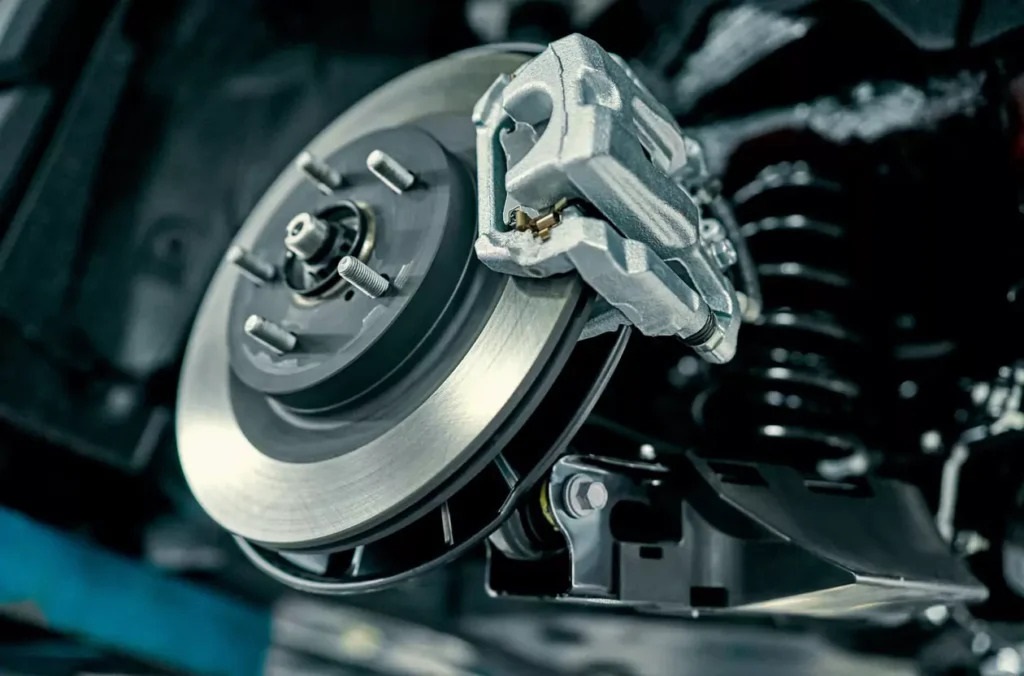
The braking system involves several key components that work together: brake pads, rotors, calipers, and brake fluid. Over time, each part undergoes wear and tear, which can lead to decreased effectiveness. Brake pads, for instance, experience wear as they press against the rotor to create the friction that stops your vehicle. Regularly inspecting and maintaining these parts ensures your brakes respond quickly and effectively.
-
Essential Brake Maintenance Tips
To keep your brakes functioning well, regular maintenance and awareness of specific components are crucial.
Here are some steps to follow:
- Check the Brake Pads and Rotors: Brake pads naturally wear down over time and must be replaced periodically. Look out for squealing noises, which can indicate worn pads. Similarly, rotors can become thin or warped, reducing braking effectiveness and creating vibration.
- Monitor Brake Fluid Levels: Brake fluid helps transfer the force from your foot on the pedal to the brakes themselves. Low or dirty brake fluid can reduce braking efficiency, so it’s essential to check it during routine maintenance.
- Inspect Brake Lines and Calipers: These parts can wear out due to moisture, rust, or debris. Damaged brake lines and calipers lead to reduced braking power, which can make a big difference in emergencies.
Regular maintenance checks allow you to catch issues before they escalate into more serious, costly problems. For a deeper dive, you can explore Tradecarhub for more tips on maintaining specific brake components.
-
Signs Your Brakes Need Immediate Attention
Certain signs indicate that your brakes may need immediate service:
- Squealing or Grinding Noises: Squealing typically means worn-out brake pads, while grinding can indicate metal-on-metal contact.
- Vibrating Brake Pedal: Warped rotors often cause vibrations. If you feel this when braking, it’s time to check the rotors.
- Soft or Spongy Brake Pedal: A soft pedal can indicate a brake fluid leak or air in the brake lines.
- Pulling to One Side When Braking: If your car pulls left or right, it could mean an issue with a specific brake caliper or uneven brake pad wear.
-
Keeping an Eye on Brake Temperature
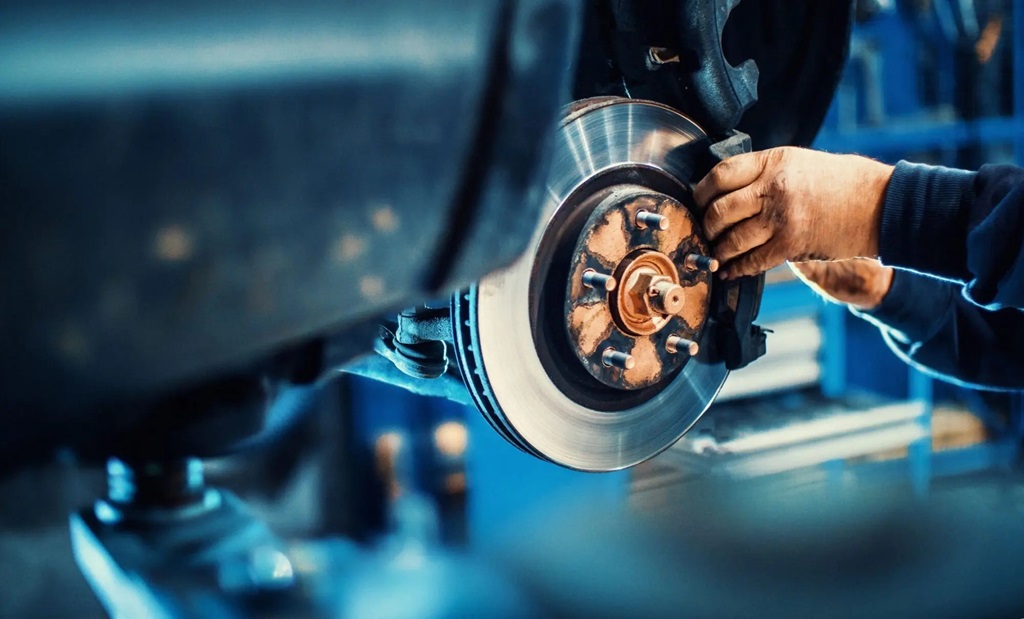
Brakes can get hot, especially during heavy use or downhill driving. A common question is, how hot do rotors get? When brakes are in use, rotors can reach temperatures of over 300°F in typical conditions, and even higher during demanding situations, such as mountain driving. If the rotors overheat, it can lead to brake fade, where the braking system loses effectiveness. You can read more on the science of brake heat and safety in this guide on how hot do rotors get.
Related: How Often Should You Wash Your Car?
-
Extend Brake Life with Safe Driving Habits
Driving habits play a significant role in how quickly your brakes wear out.
Here are some tips to extend brake life:
- Avoid Hard Braking When Possible: Frequent hard braking leads to faster wear. Practice gradual stopping whenever possible.
- Reduce Heavy Loads: Heavier vehicles require more braking power, which increases wear on the braking system.
- Slow Down on Steep Descents: On steep roads, use a lower gear to reduce speed rather than riding the brakes continuously. This prevents overheating.
-
Scheduling Professional Brake Inspections
While you can perform basic checks on your own, it’s wise to have a professional inspect your braking system at least once a year. Mechanics have tools to measure the thickness of your brake pads, check brake fluid quality, and inspect for any hidden issues. Regular inspections also ensure that your braking system remains compliant with vehicle safety standards, giving you peace of mind on the road.
Conclusion
Maintaining your vehicle’s braking system isn’t just about following the rules—it’s about keeping yourself and others safe. With regular inspections, timely replacements, and adopting safe driving habits, you can ensure that your brakes perform when they’re needed most.