
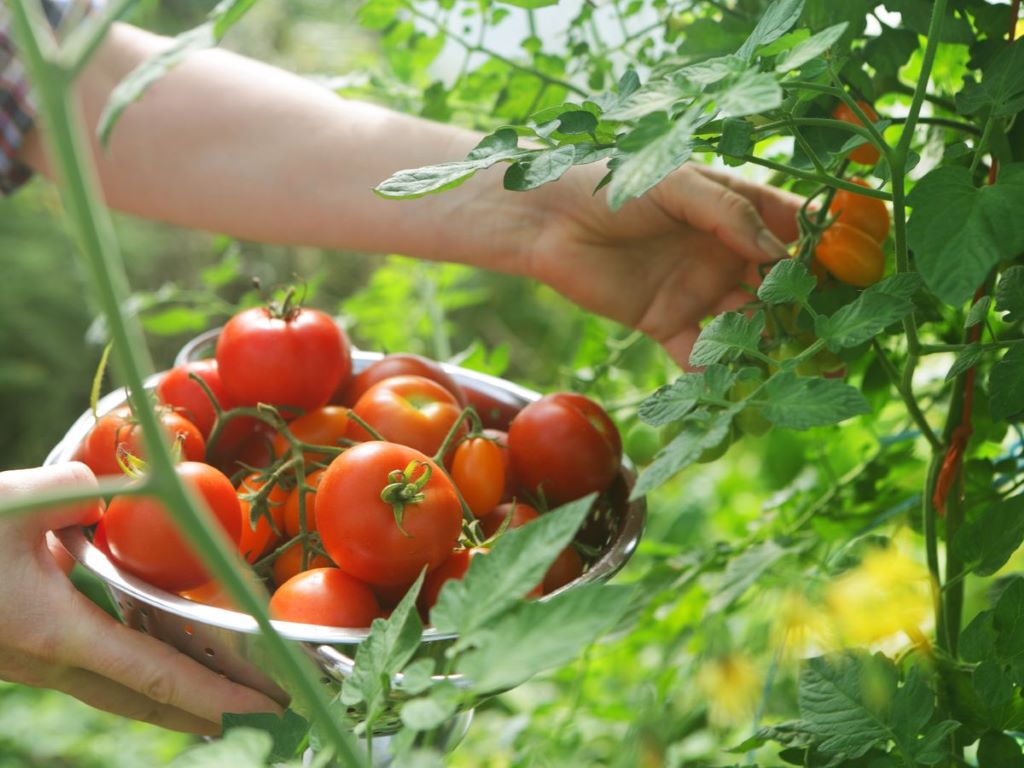
Tomatoes are a beloved garden staple, prized for their juicy fruits and versatility in the kitchen. Growing them successfully, however, requires some know-how and dedication. This comprehensive guide will walk you through every step of tomato plant care, from planting to harvest.
Understanding Tomato Varieties
Before you begin, it’s important to select a tomato variety that suits your climate, space, and personal preferences.
- Determinate: These plants grow to a certain size, produce fruit all at once, and then die back. They’re great for canning or if you want a shorter growing season.
- Indeterminate: These continue to grow and produce fruit until frost. They’re perfect for a continuous harvest throughout the summer.
- Heirloom: These are open-pollinated varieties with unique flavors and colors, often passed down through generations.
- Hybrid: These are bred for specific traits like disease resistance or high yield.
Planting Your Tomato Plants
Timing: Tomato plants are sensitive to frost, so plant them after the last frost in your area.
Location: Choose a sunny spot with well-draining soil. Tomatoes need at least 6-8 hours of direct sunlight daily.
Soil Preparation: Amend the soil with compost or aged manure to improve drainage and fertility. Tomatoes thrive in slightly acidic soil (pH 6.0-6.8).
Planting Depth: Bury the stem of the plant up to the first set of leaves. This encourages root development along the stem.
Support Structures: When planting tomato plants, it’s crucial to install stakes or cages right from the start to support the plant as it grows. Indeterminate varieties, like the tomato tree plant, especially need sturdy support to thrive. Read more about proper gardening techniques to ensure your tomatoes flourish.
Related: Growing Strawberries in Florida: Tips for Bountiful Harvests
Watering and Fertilizing
Watering: Consistent watering is crucial for healthy tomato plants. Water deeply and less frequently, allowing the soil to dry slightly between waterings. Avoid overhead watering, which can promote fungal diseases.
Fertilizing: Feed tomato plants regularly with a balanced fertilizer. Start with a low-nitrogen fertilizer when the plants are young and switch to a higher-phosphorus fertilizer when they begin to flower and set fruit.
Pruning and Training
Pruning: Pinch off “suckers” (shoots that grow between the main stem and branches) to encourage fruit production and improve air circulation.
Training: Gently tie the main stem to the support structure as the plant grows.
Pest and Disease Management
Common Pests: Tomato plants can attract aphids, whiteflies, hornworms, and other pests. Handpick visible pests or use insecticidal soap or neem oil as needed.
Common Diseases: Fungal diseases like early blight and late blight can be problematic. Ensure good air circulation, water at the base of the plant, and use fungicides if necessary.
Harvesting and Storage
Harvesting: Pick tomatoes when they are fully ripe but still firm. Use a sharp knife or pruners to avoid damaging the plant.
Storage: Store ripe tomatoes at room temperature for a few days or in the refrigerator to extend their shelf life.
Troubleshooting Common Problems
- Blossom-End Rot: This is caused by a calcium deficiency. Water consistently and add calcium to the soil.
- Cracked Fruit: Inconsistent watering can lead to cracked fruit. Water deeply and regularly.
- Yellow Leaves: This can indicate overwatering, underwatering, or nutrient deficiencies. Check soil moisture and fertilize accordingly.
Additional Tips for Success
- Mulch: Apply a layer of mulch around the base of the plant to conserve moisture, suppress weeds, and regulate soil temperature.
- Companion Planting: Plant basil, marigolds, or other companion plants to deter pests and attract beneficial insects.
- Rotate Crops: Avoid planting tomatoes in the same spot year after year to prevent soil-borne diseases.
Conclusion
Growing tomatoes can be a rewarding experience, yielding delicious and nutritious fruits. By following this comprehensive guide and staying attentive to your plants’ needs, you can successfully cultivate healthy tomato plants and enjoy a bountiful harvest.
Remember, every garden is unique, so adapt these guidelines to your specific conditions. Don’t hesitate to seek additional information from local gardening resources or experienced gardeners in your community.