
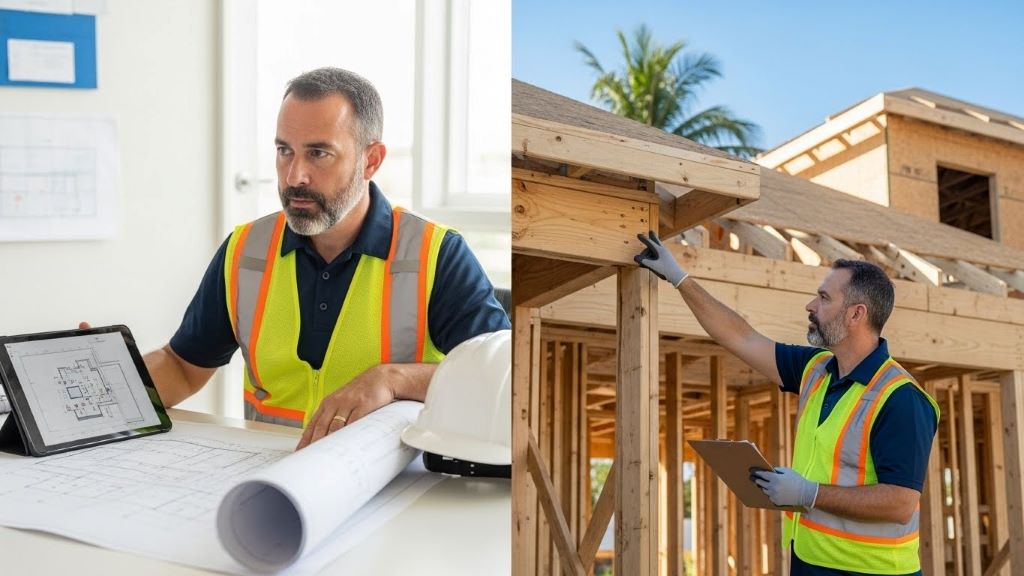
Building inspections are critical checkpoints in any construction or renovation project. In Miami Gardens, property owners and contractors frequently face inspection rejections that delay projects and increase costs. Understanding the most common reasons for these rejections can save time, money, and frustration. For more helpful information about Miami Gardens, visit FAQ Miami.
Inspection rejections occur when building work does not meet the standards set by local codes and regulations. Therefore, knowing what inspectors look for helps ensure your project passes on the first attempt. The miami gardens building department permit process requires careful attention to detail and compliance with all applicable building codes. Many rejections stem from preventable mistakes that proper planning can avoid.
Understanding the Inspection Process
The inspection process in Miami Gardens follows a structured approach. First, contractors submit permit applications with detailed plans. Next, inspectors schedule visits to examine the work at various stages. However, many projects fail these inspections due to common oversights.
Inspectors evaluate whether construction meets safety standards and building codes. Additionally, they verify that the work matches the approved plans. Each inspection stage focuses on different aspects of the project. Therefore, understanding what inspectors examine at each phase is essential.
Most Common Causes of Inspection Rejection
Electrical Code Violations
Electrical issues rank among the top reasons for inspection failures. Improper wiring creates serious safety hazards. Consequently, inspectors carefully examine all electrical installations.
Common electrical violations include incorrect wire sizing, improper grounding, and overcrowded junction boxes. Moreover, missing GFCI outlets in wet areas frequently cause rejections. Inspectors also flag exposed wiring and inadequate circuit breaker panels.
Plumbing Problems
Plumbing inspections often reveal various deficiencies. Leaking pipes and improper drainage systems fail inspections immediately. Furthermore, incorrect pipe materials or sizes violate building codes.
Inspectors check for proper venting in plumbing systems. Additionally, they verify that all fixtures meet current standards. Improper water heater installations also cause rejections. Therefore, hiring licensed plumbers ensures compliance with regulations.
Structural Issues
Structural integrity is paramount in building inspections. Inadequate foundation work leads to automatic rejection. Similarly, improper framing or missing structural supports raise red flags.
Inspectors examine load-bearing walls carefully. They also verify that all structural elements match approved engineering plans. However, unauthorized modifications to structural components always result in failure.
Missing or Incomplete Documentation
Documentation problems cause many unnecessary rejections. Missing permits or incomplete application forms delay the inspection process. Moreover, contractors must provide all required certifications and test results.
Inspectors need to see manufacturer specifications for materials used. Additionally, they require proof of licensed contractor involvement. Therefore, maintaining organized documentation streamlines the approval process.
Building Code Non-Compliance
Building codes change regularly to reflect safety improvements. Consequently, outdated construction methods often violate current standards. Inspectors enforce the most recent code requirements strictly.
Common code violations include inadequate insulation, improper window installations, and incorrect egress requirements. Furthermore, fire safety measures must meet current regulations. According to the International Code Council, staying updated on code changes prevents many inspection failures.
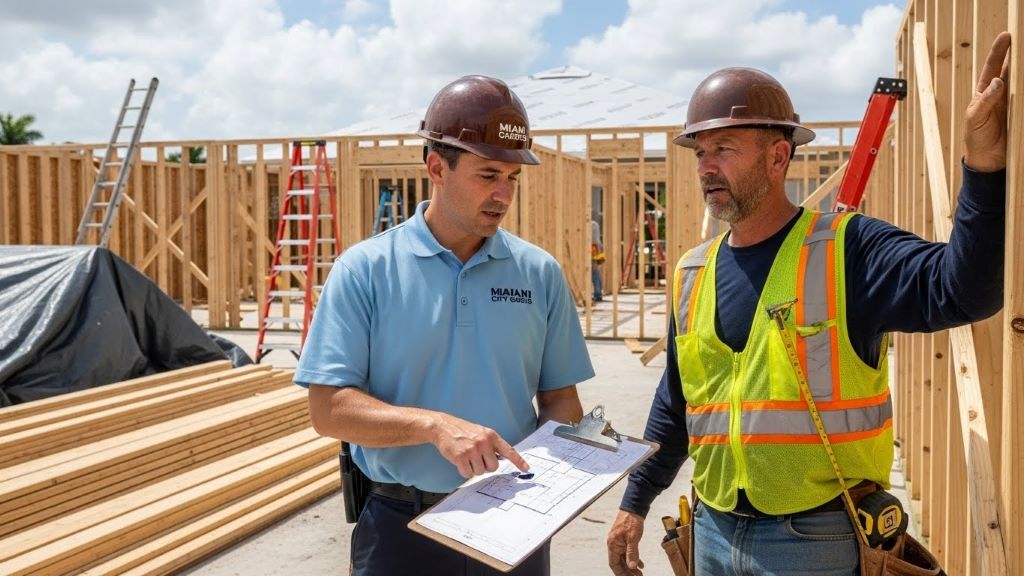
Preventing Inspection Rejections
Hire Licensed Professionals
Working with licensed contractors significantly reduces rejection rates. Licensed professionals understand current building codes thoroughly. Additionally, they maintain relationships with local building departments.
Experienced contractors know what inspectors expect. Therefore, they prepare projects properly before scheduling inspections. Moreover, licensed professionals carry insurance protecting property owners from liability.
Pre-Inspection Reviews
Conducting internal reviews before official inspections catches problems early. Walk through the project systematically checking each element. Furthermore, compare completed work against approved plans carefully.
Many contractors use checklists to ensure nothing gets overlooked. Additionally, taking photographs documents compliance with requirements. Therefore, pre-inspection preparation demonstrates professionalism to inspectors.
Maintain Open Communication
Regular communication with the building department prevents misunderstandings. Ask questions when requirements seem unclear. Moreover, building inspectors often provide guidance during the permit process.
Establishing good relationships with inspectors helps smooth the approval process. However, never assume inspectors will overlook violations. Instead, address all concerns before requesting inspections.
Schedule Inspections at Proper Stages
Timing inspections correctly prevents coverage of work that needs examination. For example, framing inspections must occur before installing drywall. Similarly, rough plumbing and electrical inspections happen before closing walls.
Scheduling too early wastes time if work remains incomplete. Conversely, scheduling too late may require demolishing finished work for inspection access. Therefore, follow the inspection sequence carefully.
Impact of Inspection Rejections
Inspection failures create multiple problems for property owners and contractors. First, they delay project completion significantly. Additionally, rejections increase overall project costs through additional labor and materials.
Failed inspections may require hiring specialists to correct problems. Moreover, repeated failures damage contractor reputations and relationships with building departments. Therefore, passing inspections on the first attempt should be every project’s goal.
Financial implications extend beyond immediate correction costs. Projects may incur storage fees for materials and equipment during delays. Furthermore, contractors may face penalties for missing completion deadlines.
Learning from Rejections
When rejections occur, treat them as learning opportunities. Review inspection reports carefully to understand all cited violations. Additionally, ask inspectors for clarification on any confusing points.
Document what went wrong and implement changes to prevent future occurrences. Moreover, share lessons learned with team members to improve overall project quality. Therefore, each rejection strengthens future project success rates.
Some contractors maintain rejection logs tracking common issues. This systematic approach identifies patterns requiring attention. Furthermore, analyzing rejection trends helps prioritize training needs for crews.
Resources for Success
Miami Gardens provides various resources helping contractors and property owners. The building department offers consultation services before permit submission. Additionally, they provide code books and reference materials.
Many professional organizations offer training on current building codes. Furthermore, online resources provide updates on regulation changes. According to NAR, understanding local building requirements protects property investments and ensures safety.
Industry associations also provide networking opportunities with experienced professionals. Therefore, connecting with knowledgeable peers provides valuable insights and advice.
Conclusion
Understanding common causes of inspection rejections in Miami Gardens helps ensure project success. Electrical violations, plumbing problems, structural issues, incomplete documentation, and code non-compliance represent the most frequent rejection reasons. However, hiring licensed professionals, conducting pre-inspection reviews, maintaining open communication, and scheduling inspections properly significantly reduce rejection rates.
Learning from rejections and utilizing available resources improves future project outcomes. Therefore, investing time in proper preparation pays dividends through faster approvals and reduced costs. Ultimately, respecting the inspection process protects public safety and property values throughout Miami Gardens.
Frequently Asked Questions
What happens if my inspection fails in Miami Gardens?
If your inspection fails, you will receive a detailed report listing all violations. You must correct these issues and schedule a re-inspection. The building department charges additional fees for re-inspections, so passing the first time saves money.
How long does the inspection process take in Miami Gardens?
The inspection timeline varies depending on project complexity and department workload. Typically, routine inspections occur within 24 to 48 hours of scheduling. However, specialized inspections may require longer lead times.
Can I appeal an inspection rejection decision?
Yes, you can appeal inspection decisions you believe are incorrect. Contact the building department to understand the appeals process. You may need to provide additional documentation or engineering reports supporting your position.
Do I need separate inspections for electrical and plumbing work?
Yes, electrical and plumbing work require separate inspections. Each trade has specific code requirements that specialized inspectors evaluate. Schedule these inspections at appropriate construction stages before covering the work.
How can I verify a contractor is properly licensed in Miami Gardens?
Check contractor licenses through the Miami Gardens Building Department or the Florida Department of Business and Professional Regulation website. Always verify licenses are current and in good standing before hiring any contractor.
Related Topics:
How to Grow Vanilla Beans: A Comprehensive Guide
Digital Conversion: Bringing Theater to the Modern Era


