
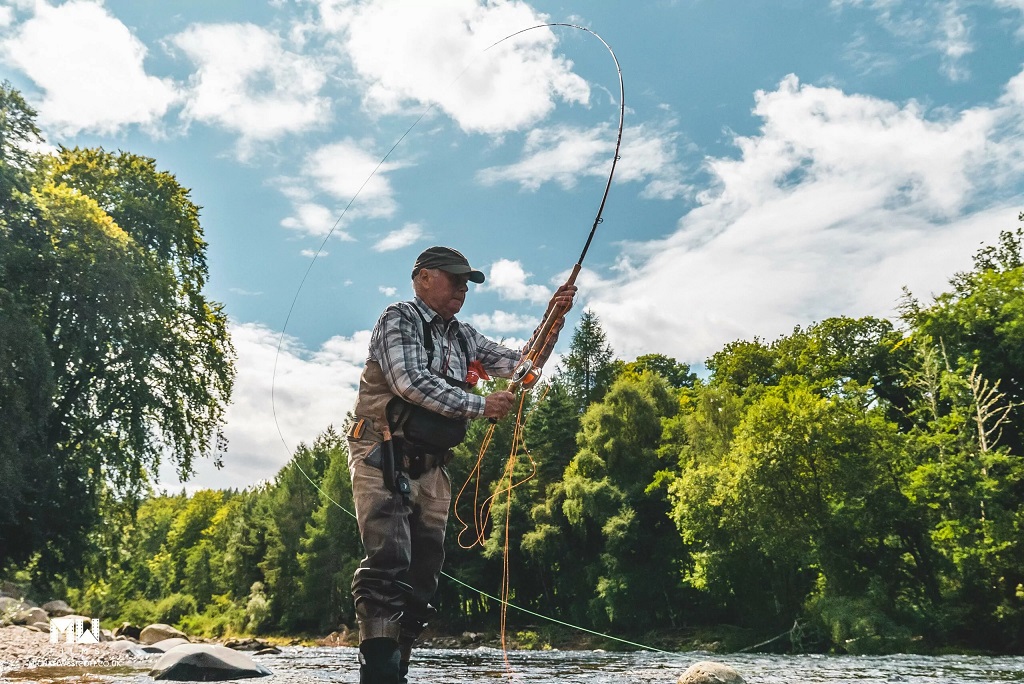
Casting is more than just tossing a line into the water—it’s a precise skill that separates average anglers from seasoned pros. Whether you’re targeting bass in freshwater or chasing tarpon on the flats, casting accuracy and distance directly affect your success rate. To truly master the art of the cast: tips for accuracy and distance must become second nature. This guide dives deep into the mechanics, techniques, and strategies that make a real difference on the water.
Why Accuracy and Distance Matter in Casting

An accurate cast increases your chances of placing the lure exactly where the fish are hiding. A long-distance cast expands your reach, giving you access to untouched water. According to a 2022 report by Outdoor Life, anglers who improved their casting accuracy by just 10% saw up to a 25% increase in catch rates. That’s not luck—that’s skill and strategy at work.
Moreover, in heavily pressured waters, fish spook easily. Casting from a distance ensures minimal disturbance. When executed well, a long cast mimics the natural behavior of prey, making your lure irresistible.
The Mechanics Behind a Perfect Cast
Every great cast starts with understanding the mechanics of rod loading and release timing. Your rod isn’t just a stick—it’s a lever, and mastering that leverage unlocks the power behind every cast.
Key components to focus on:
- Rod Selection: Use a fast-action rod for greater casting distance and control.
- Line Type: Braided line has less drag and better sensitivity, increasing both range and feel.
- Reel Match: A well-balanced reel ensures smooth line flow, critical for distance and accuracy.
Pro anglers agree that timing is everything. If you release the line too early or too late, even the best gear won’t save you. According to Bassmaster Elite Series competitor Chris Zaldain, “Your release point should match your target, just like shooting a basketball. It’s all about feel and repetition.”
Improve Your Grip and Stance
Your stance influences your cast more than you may realize. An open stance, with feet shoulder-width apart, offers balance and freedom of motion. Shift your weight from the back foot to the front during the cast to generate momentum.
Gripping the rod too tightly limits flexibility. Instead, maintain a relaxed yet controlled grip. This lets the rod load efficiently and flex as it should. According to fishing coach George Poveromo, “Relaxed wrists lead to longer and more accurate casts. Tension is your enemy.”
Practice Makes Precision
Casting accurately into tight spots—under docks, near submerged trees, or beside rock ledges—requires deliberate practice. One proven technique is to set up targets in your backyard using hula hoops or plastic buckets. Practice hitting these from varying distances and angles.
Professional guide Kevin VanDam recommends using lightweight lures during practice to develop control. “If you can hit a target with a 1/8 oz lure, you can cast anything,” he explains. Repetition builds muscle memory, which ultimately leads to consistency on the water.
Environmental Factors That Affect Casting
Mastering casting also means understanding your environment. Wind, current, and structure all change how your line behaves in the air and water.
Adapt to conditions with these tips:
- Wind: Cast low and sidearm into headwinds to reduce drag.
- Obstructions: Use roll casts or pitch techniques in tight areas.
- Current: Aim slightly upstream or downstream, depending on the flow direction.
In saltwater flats fishing, for example, you must often cast into the wind. Salt Strong experts advise shortening your casting stroke and lowering the rod angle. This creates a tighter loop and reduces wind resistance.
The Power of Technique Variations
Different casts serve different purposes. Mastering a few key techniques gives you an edge in diverse fishing situations.
Essential casts to learn:
- Overhead Cast: Best for long, powerful casts in open water.
- Sidearm Cast: Ideal for low angles and windy conditions.
- Pitch Cast: Perfect for short, silent presentations in shallow cover.
- Roll Cast: Crucial when backcasting room is limited.
Each technique requires a distinct movement pattern. Choose based on your target location, obstacles, and lure weight. Developing versatility is one of the fastest ways to master the art of the cast: tips for accuracy and distance become valuable tools, not just concepts.
Advanced Tools That Help You Cast Better
Technology has enhanced how we fish. From high-tech reels to casting aids, modern gear makes it easier to cast farther and more precisely.
Look for reels with magnetic or centrifugal braking systems. These allow fine-tuning during the cast, reducing backlash and promoting consistency. Shimano’s Curado series, for example, is praised for its casting performance in all conditions.
Smart casting aids like casting plugs or laser casting trainers provide real-time feedback. They help you identify flaws in motion and correct them before you hit the water.
Mindset and Mental Focus
Casting isn’t just physical—it’s mental. Stay focused on your target, visualize your cast, and commit fully. Don’t second-guess your motion mid-cast. Anglers who visualize their targets beforehand have shown a 17% improvement in hit rates, according to a Field & Stream performance study.
Fishing requires patience, precision, and practice. Confidence builds from competence. The more you refine your casting, the more successful your outings become.
Read More Also: How to Reheat Tater Tots in Air Fryer (The Right Way)
FAQs on Mastering the Art of the Cast
How can I increase casting distance without losing accuracy?
Use a longer rod with fast action and practice proper rod loading. Let the rod do the work.
What’s the best line for long-distance casting?
Braided lines are ideal due to their low stretch and thinner diameter.
How can I practice casting at home?
Set up lawn targets like cones or hoops and use practice plugs or weighted lures.
Why does wind affect my cast so much?
Wind adds resistance and can shift the lure mid-air. Lower casting angles help cut through it.
What’s the biggest mistake beginners make when casting?
Rushing the cast and gripping the rod too tightly. This limits range and reduces control.
Can casting techniques change depending on lure weight?
Yes. Lighter lures require a gentler, more controlled motion, while heavier ones need more force.
Are there drills to improve casting accuracy?
Yes. Try the “clock face” drill, where you cast toward marked positions as if casting at times on a clock.
Read More Also: Homemade Low-Sodium Pasta Seasoning Recipe You’ll Love
Final Thought
To master the art of the cast: tips for accuracy and distance aren’t just about mechanics—they’re about developing a deeper connection with your gear, environment, and technique. The ability to land a lure exactly where you intend, every time, transforms your angling success and enjoyment.
Whether you’re a weekend warrior or a tournament angler, casting skill remains your most potent weapon. Dedicate time to perfect your form, adapt to your surroundings, and always keep learning.