

When was the last time you cleaned and lubricated your power tools? If you’re scratching your head, don’t worry—you’re not alone. Proper maintenance of power tool gears is one of the most overlooked aspects of tool care. Whether you’re a DIY enthusiast or a seasoned contractor, the best practices for cleaning and lubricating power tool gears can significantly extend the life and efficiency of your tools.
In this detailed guide, we’ll explore proven cleaning and lubrication techniques, gear care tips, and common mistakes to avoid. We’ll also discuss why explore Bestusatools can be your go-to resource for all things tool maintenance.
Understanding the Role of Power Tool Gears
Power tool gears are the heart of any high-performing tool. They transmit speed and torque to the moving parts, ensuring your drill, grinder, or saw operates effectively. However, these gears are constantly exposed to dust, grease, and debris. Without proper cleaning and lubrication, friction increases, leading to overheating, wear, and, ultimately, reduced efficiency.
Statistics suggest that poorly maintained tools lose 20-30% of their efficiency over time. On the flip side, tools that are regularly cleaned and lubricated not only last longer but also perform consistently. Maintaining your power tools isn’t just good practice—it’s an investment.
Inspecting Gears Before Maintenance
Before diving into cleaning and lubrication, it’s essential to inspect your power tool gears.
Look for the following signs:
- Dirt Accumulation: Dust and grime can reduce efficiency by clogging gear teeth.
- Wear and Tear: Check for rounded or chipped teeth, as they may indicate stress or overuse.
- Old Lubricant Residue: Dried or contaminated grease can cause gears to bind, increasing friction.
Regular inspections, performed after every 40-50 hours of tool use, ensure you catch problems early and avoid costly repairs.
Surprisingly, the proper use of hand tools in computer repairs parallels power tool maintenance. Precision tools like screwdrivers, pliers, and soft brushes used in computer repairs are equally effective for cleaning gear housings.
Step-by-Step Guide to Cleaning Power Tool Gears
Proper cleaning is the first step toward maintaining power tool gears. Here’s how you can do it effectively:
Disassemble the Tool Safely:
- Disconnect the tool from its power source.
- Open the gear housing using the appropriate hand tools, following the manufacturer’s instructions.
Remove Dirt and Grime:
- Use a soft nylon or brass brush to remove visible debris.
- For stubborn buildup, apply a mild degreaser or isopropyl alcohol to a cloth and wipe the gears gently. Avoid soaking the gears.
Dry Thoroughly:
- Ensure no moisture remains, as this can cause rust or corrosion. A microfiber cloth works well for this purpose.
Inspect for Damage:
- While cleaning, check for cracks, worn teeth, or excessive play between gears.
Reassemble with Care:
- Ensure all components are aligned and securely tightened to avoid future issues.
Choosing the Right Lubricant for Power Tool Gears
Selecting the correct lubricant is as crucial as the cleaning process. Power tool gears operate under high pressure, so they need a lubricant that reduces friction, withstands heat, and prevents corrosion.
Types of Lubricants:
- Grease-Based Lubricants: Ideal for heavy-duty tools like drills and grinders, as they stay in place even under extreme pressure.
- Oil-Based Lubricants: Best for lighter tools where precision is key.
Key Features to Look For:
- High-temperature resistance
- Anti-corrosion additives
- Compatibility with the tool’s materials
For professionals, synthetic grease is a popular choice due to its long-lasting properties and ability to handle high torque. Always refer to your tool’s manual for lubricant recommendations.
Related: How to Clean Your Shower Head: A Step-by-Step Guide
How to Lubricate Power Tool Gears
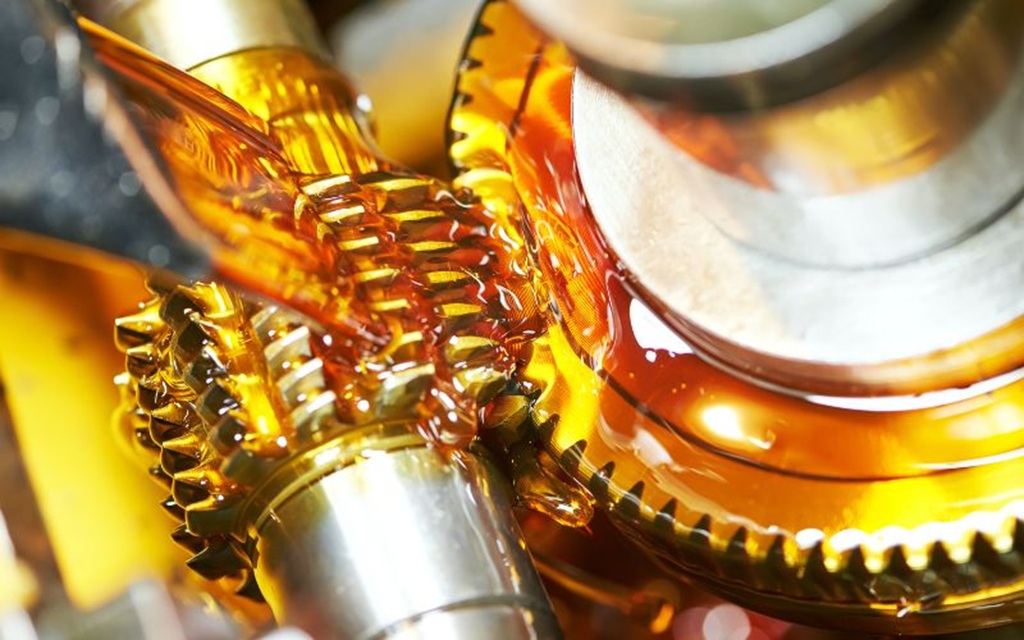
Once your gears are clean, it’s time to apply lubrication. Follow these steps for optimal results:
- Apply Sparingly: Too much lubricant can attract dirt, causing additional wear. A small amount applied evenly across the gear teeth is sufficient.
- Target Friction Points: Focus on areas where gears make contact.
- Distribute Evenly: Run the tool for a few seconds to spread the lubricant uniformly.
- Wipe Excess: Use a cloth to remove any extra grease that could attract debris.
Common Mistakes to Avoid
Even the most experienced users can fall into common pitfalls. Here’s what to watch out for:
- Using the Wrong Lubricant: Cheap or incompatible products can cause more harm than good.
- Skipping Cleaning: Applying grease on dirty gears locks in debris, accelerating wear.
- Over-Lubrication: Too much grease can create drag and reduce tool efficiency.
- Neglecting Routine Maintenance: Procrastination leads to irreversible damage over time.
The Benefits of Regular Gear Maintenance
The rewards of maintaining power tool gears are worth the effort:
- Extended Lifespan: Tools last longer when their components are properly cared for.
- Improved Performance: Clean and lubricated gears reduce friction, ensuring smooth operation.
- Cost Savings: Routine maintenance prevents costly repairs and replacements.
- Safety: Well-maintained tools are less likely to malfunction, protecting the user from accidents.
FAQs
What’s the best way to clean stubborn grime off power tool gears?
Use a mild degreaser with a soft brush to remove stubborn grime. Avoid abrasive tools to prevent scratching the gears.
Can over-lubrication damage power tool gears?
Yes, excessive lubrication can attract dirt, causing drag and reducing efficiency. Always use a thin, even layer.
How often should I clean and lubricate my tools?
For heavy use, maintain your tools every 40-50 hours of operation. For light use, quarterly maintenance is sufficient.
Related: How to Clean Gas Burner Tops
Which type of lubricant is best for power tool gears?
Grease-based lubricants are best for heavy-duty tools, while oil-based lubricants work well for precision tools.
What are the signs of worn-out gears?
Look for chipped or rounded teeth, unusual noise during operation, or inconsistent performance.
Can I use household lubricants like WD-40?
While WD-40 is a great cleaner, it’s not a suitable long-term lubricant for gears. Always use products designed for power tools.
Conclusion
Maintaining power tool gears through proper cleaning and lubrication is essential for ensuring their longevity and optimal performance. By following these best practices for cleaning and lubricating power tool gears, you can maximize the lifespan of your tools while saving money on repairs. Remember, well-maintained tools are not just efficient—they’re safer and more reliable.