
Cycling is an exhilarating way to exercise, commute, or simply explore the world around you. However, mechanical issues can quickly turn a delightful ride into a frustrating ordeal. To ensure you’re always prepared for unexpected repairs, mastering essential bike repair skills is crucial. This comprehensive bike repair skills guide will equip you with the knowledge and confidence to tackle common bike problems, ensuring you get the most out of your rides.
The Importance of Bike Repair Skills
Being self-sufficient in bike repair offers numerous benefits. Firstly, it saves you time and money by eliminating the need to visit a repair shop for minor issues. Secondly, it empowers you to address problems on the go, preventing your ride from being cut short. Lastly, it fosters a deeper understanding of your bike’s mechanics, enhancing your overall cycling experience.
Essential Tools for Bike Repair
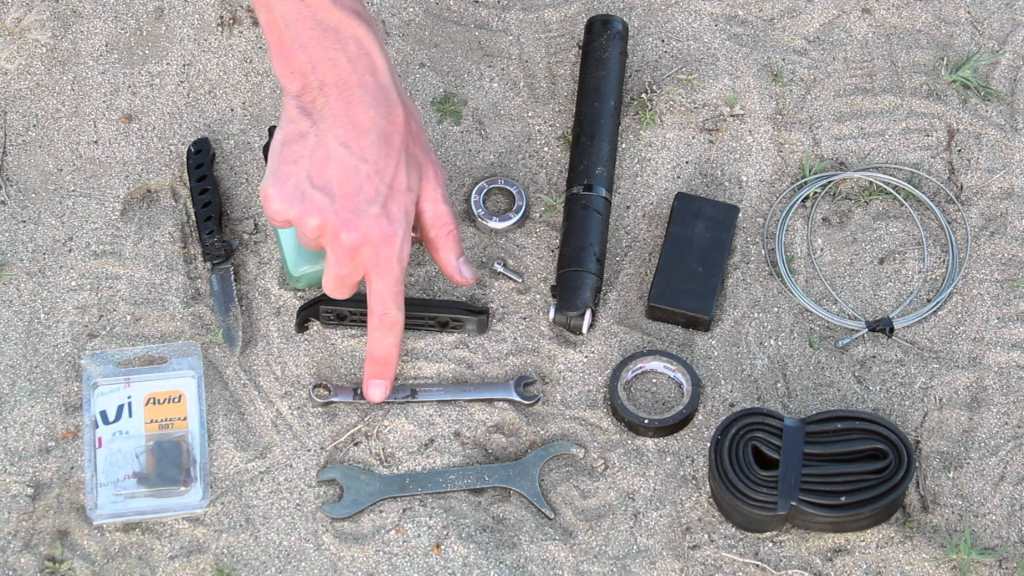
Before delving into specific repair skills, it’s important to have the right tools on hand. Here’s a list of essential tools for bike repair:
- Multi-tool: This versatile tool includes various Allen wrenches, screwdrivers, and a chain tool, making it indispensable for most repairs.
- Tire levers: These sturdy levers simplify the process of removing and installing tires.
- Patch kit: A patch kit allows you to repair punctures in your inner tubes.
- Pump: A reliable pump is essential for maintaining proper tire pressure.
- Lubricant: Lubricant keeps your bike’s moving parts functioning smoothly and prevents premature wear.
Common Bike Repairs
- Fixing a Flat Tire: Flat tires are a common occurrence, but they’re easy to fix with the right tools and technique. Start by removing the wheel and using tire levers to pry off the tire. Locate the puncture in the inner tube and patch it using the patch kit. Reinstall the inner tube and tire, ensuring proper inflation.
- Adjusting Brakes: Properly adjusted brakes are crucial for safety. If your brakes feel loose or unresponsive, you can easily adjust them. Most brakes have a barrel adjuster that allows you to tighten or loosen the brake cable. Consult your bike’s manual for specific instructions.
- Fixing a Slipping Chain: A slipping chain can disrupt your pedaling rhythm. If your chain skips or falls off, it may need adjustment or replacement. To adjust the chain, loosen the rear wheel’s axle nuts and use the derailleur’s adjustment screws to fine-tune the chain’s tension.
- Tightening Loose Bolts: Over time, the bolts on your bike may become loose due to vibrations. Regularly check all bolts and tighten them as needed using the appropriate Allen wrench.
- Cleaning and Lubricating Your Bike: Keeping your bike clean and well-lubricated is essential for optimal performance and longevity. Regularly wash your bike with soap and water, paying special attention to the chain and drivetrain. Apply lubricant to the chain, derailleurs, and other moving parts to prevent rust and wear.
If you’re considering upgrading or purchasing a new bike, you might also want to explore the differences between carbon vs titanium bikes for their specific advantages. For more detailed comparisons, read more on the topic to make an informed decision.
Tips for Effective Bike Repair
- Invest in a Repair Stand: A repair stand elevates your bike, making repairs more comfortable and efficient.
- Consult Your Bike’s Manual: Your bike’s manual is a valuable resource for specific repair instructions and maintenance schedules.
- Watch Instructional Videos: Numerous online resources offer step-by-step video tutorials on various bike repairs.
- Attend a Bike Repair Workshop: Many bike shops offer workshops that teach essential repair skills.
- Practice Regularly: The more you practice, the more confident you’ll become in your repair abilities.
Conclusion
Mastering essential bike repair skills empowers you to take charge of your cycling experience. By equipping yourself with the right tools and knowledge, you can confidently address common mechanical issues, ensuring your rides are always smooth and enjoyable. Remember, prevention is key, so regularly inspect your bike for potential problems and perform routine maintenance to keep it in top condition. With practice and patience, you’ll become a proficient bike mechanic, capable of tackling even the most challenging repairs. So, embrace the world of bike repair skills and unlock a new level of self-sufficiency and satisfaction in your cycling adventures.