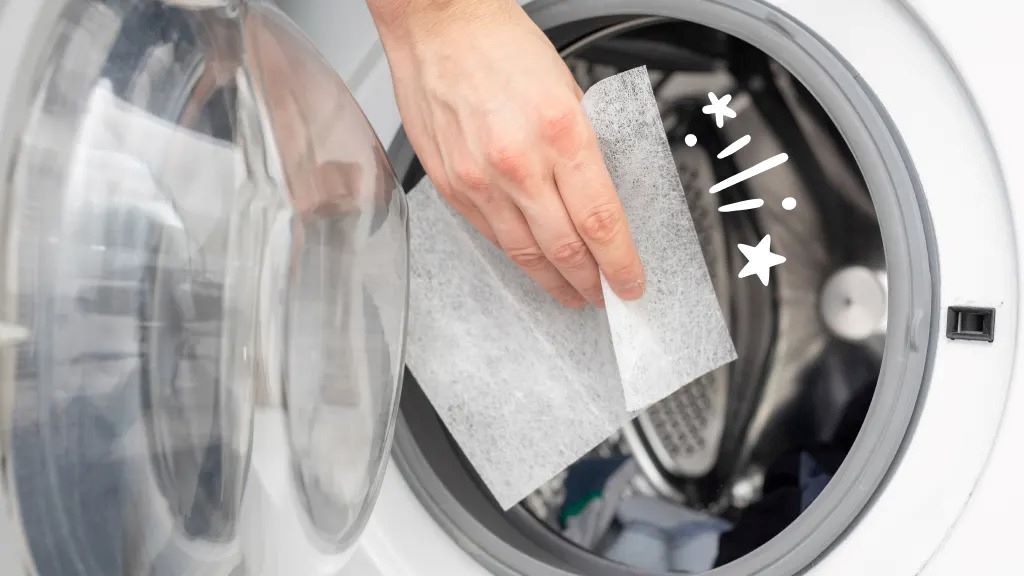
Most homeowners unknowingly damage their expensive laundry appliances every time they do a load. While dryer sheets promise softer clothes and pleasant scents, they’re quietly destroying your dryer from the inside out. According to experts at Future Life Network, these seemingly innocent laundry aids create a coating that reduces efficiency and shortens appliance lifespan significantly.
Understanding this hidden damage becomes crucial when you consider the substantial investment most families make in their laundry equipment. The average household spends thousands on quality washers and dryers, expecting them to serve reliably for years. However, regular dryer sheet use can dramatically impact how long do washer and dryers last, potentially cutting their functional lifespan by several years.
Additionally, the effects extend beyond simple wear and tear. The chemical residue from dryer sheets creates multiple problems that compound over time, leading to costly repairs and premature replacement needs.
What Makes Dryer Sheets So Appealing
Dryer sheets contain quaternary ammonium compounds that coat fabric fibers during the drying process. These chemicals create the soft feel consumers love while depositing fragrances that make clothes smell fresh. The convenience factor makes them popular household staples.
However, the same coating properties that soften fabrics create serious problems for dryer components. The waxy residue doesn’t just disappear after each cycle. Instead, it accumulates on critical parts of your machine.
The Hidden Damage Process
The quaternary ammonium compounds in dryer sheets leave behind a thin film that builds up gradually. This residue primarily affects three critical areas of your dryer.
Lint Filter Destruction
The lint filter suffers the most immediate damage from dryer sheet residue. The waxy coating clogs the mesh holes that should allow air to flow freely. Even when the filter appears clean, microscopic buildup reduces its effectiveness dramatically.
Therefore, your dryer must work harder to pull air through the restricted filter. This increased strain affects the motor and heating elements, causing them to wear out faster than normal.
Moisture Sensor Interference
Modern dryers rely on moisture sensors to determine when clothes are properly dried. Dryer sheet residue coats these sensors with an invisible film that prevents accurate readings. Consequently, your dryer may over-dry clothes, wasting energy and damaging fabrics.
Furthermore, the sensors may fail to detect moisture properly, leading to damp clothes or excessive drying cycles. Both scenarios force your appliance to work beyond its intended parameters.
Exhaust System Complications
The chemical residue doesn’t stop at internal components. It travels through the exhaust system, coating ductwork and the external vent. This buildup restricts airflow and creates potential fire hazards.
Additionally, the reduced airflow forces your dryer to run longer cycles to achieve the same results. The extended operation time significantly increases wear on mechanical components.
Warning Signs Your Dryer Is Suffering
Several indicators reveal when dryer sheet damage is occurring in your machine. Recognizing these signs early can help prevent costly repairs.
Clothes taking longer to dry represents the most common early warning sign. When airflow becomes restricted, drying times increase noticeably. Meanwhile, the dryer may feel hotter than usual during operation, indicating reduced efficiency.
Static cling returning despite using dryer sheets suggests sensor problems. The moisture sensors cannot accurately detect when clothes are properly dried, leading to under-drying and persistent static.
Moreover, lint accumulation around the dryer or visible buildup in unexpected areas indicates exhaust system problems. The restricted airflow causes lint to settle in places it shouldn’t reach.
Safer Alternatives That Protect Your Investment
Several effective alternatives provide fabric softening without damaging your dryer. These options maintain appliance longevity while delivering satisfactory results.
Wool dryer balls offer excellent fabric softening without chemical residue. They naturally separate clothes during tumbling, reducing drying time and static buildup. Unlike dryer sheets, they leave no coating behind.
White vinegar added to the rinse cycle provides natural fabric softening. This method works in the washing machine, eliminating any potential dryer damage. The vinegar smell disappears completely during drying.
Furthermore, aluminum foil balls create anti-static effects similar to dryer sheets. Simply crumple three foil sheets into balls and toss them in with wet clothes. They’re reusable and completely residue-free.
Essential Maintenance to Reverse Damage
If you’ve been using dryer sheets regularly, specific maintenance steps can help restore your dryer’s efficiency. These procedures remove accumulated residue and improve performance.
Start by cleaning your lint filter with warm, soapy water and an old toothbrush. Scrub gently to remove waxy buildup that regular cleaning misses. Rinse thoroughly and allow complete drying before reinstalling.
Next, wipe down the interior drum with a damp cloth and mild detergent. Pay special attention to the moisture sensor locations, which vary by model but typically appear as small metal strips inside the drum.
Therefore, consider professional ductwork cleaning if you’ve used dryer sheets extensively. The exhaust system may require specialized equipment to remove stubborn residue buildup.
The Economic Impact of Dryer Sheet Damage
The financial consequences of dryer sheet use extend far beyond the product cost. Reduced efficiency leads to higher energy bills, while premature component failure creates expensive repair needs.
Replacement heating elements, motors, and control boards can cost hundreds of dollars each. However, the most significant expense comes from early appliance replacement when multiple systems fail simultaneously.
Additionally, extended drying times waste substantial energy over months and years. The cumulative effect on utility bills often exceeds the cost of safer alternatives many times over.
Professional Recommendations for Appliance Longevity
Appliance technicians consistently recommend avoiding dryer sheets to maximize equipment lifespan. Their field experience reveals clear patterns between dryer sheet use and premature failures.
Regular maintenance combined with proper product choices significantly extends appliance life. Simple changes in laundry habits can add years to your dryer’s functional period.
Moreover, manufacturers’ warranties often exclude damage caused by chemical buildup. Using products that leave residue may void coverage for related repairs.
Making the Switch to Dryer-Friendly Options
Transitioning away from dryer sheets requires minimal adjustment while providing immediate benefits. Start by using up remaining sheets, then replace them with safer alternatives.
Gradually introduce wool dryer balls or other residue-free options. Most families notice improved drying performance within the first few loads. The absence of chemical coating allows proper airflow restoration.
Furthermore, combining multiple natural methods often provides superior results to conventional dryer sheets. Experiment with different combinations to find your preferred approach.
Conclusion
Dryer sheets may seem convenient, but their hidden costs far outweigh their benefits. The waxy residue they deposit damages critical dryer components, reduces efficiency, and shortens appliance lifespan significantly. By switching to safer alternatives like wool dryer balls or vinegar rinses, you can protect your investment while maintaining soft, static-free clothes.
The simple act of eliminating dryer sheets from your laundry routine can save thousands in appliance replacement costs and energy bills. Your dryer will run more efficiently, last longer, and provide better results without the chemical buildup that causes so many problems.
Frequently Asked Questions
Q: Can I remove dryer sheet residue from my lint filter? A: Yes, wash the lint filter with warm, soapy water and scrub gently with an old toothbrush. Stubborn residue may require multiple cleanings to remove completely.
Q: How often should I clean my dryer if I’ve been using dryer sheets? A: Clean the lint filter after every load and deep clean the interior monthly. Professional ductwork cleaning may be necessary annually if residue buildup is severe.
Q: Will dryer balls damage delicate fabrics? A: Wool dryer balls are gentle on all fabric types. They actually reduce friction compared to clothes tumbling together without separation, making them safer for delicates.
Q: How many wool dryer balls should I use per load? A: Use 3-4 balls for small loads and 5-6 for large loads. Too many balls can create excessive noise, while too few won’t provide adequate separation.
Q: Can I add essential oils to wool dryer balls for fragrance? A: Yes, add 2-3 drops of essential oil to each ball before starting the cycle. This provides natural fragrance without leaving chemical residue in your dryer.
Read More:
How Do Small Foundation Cracks Become Major Structural Concerns?